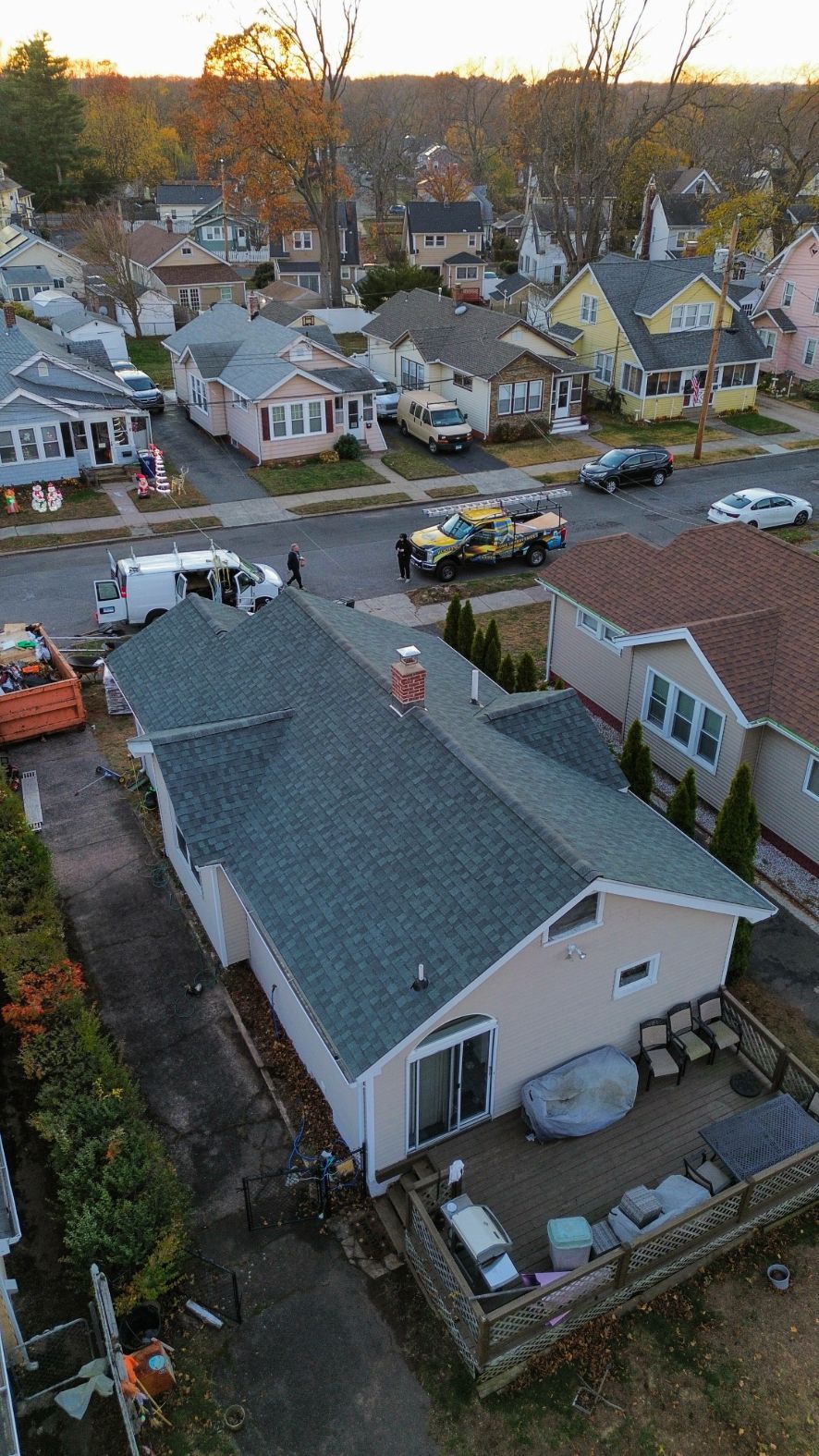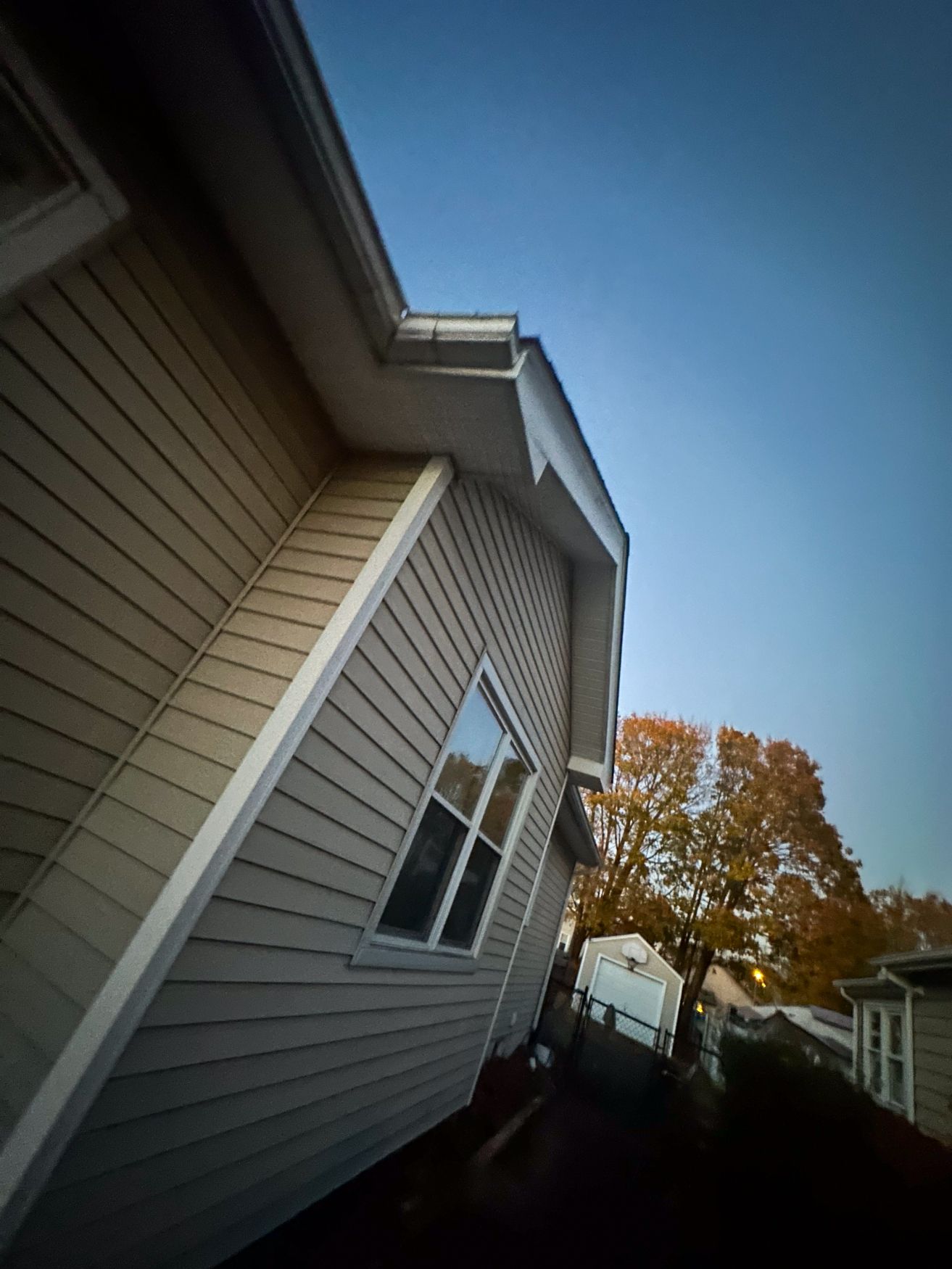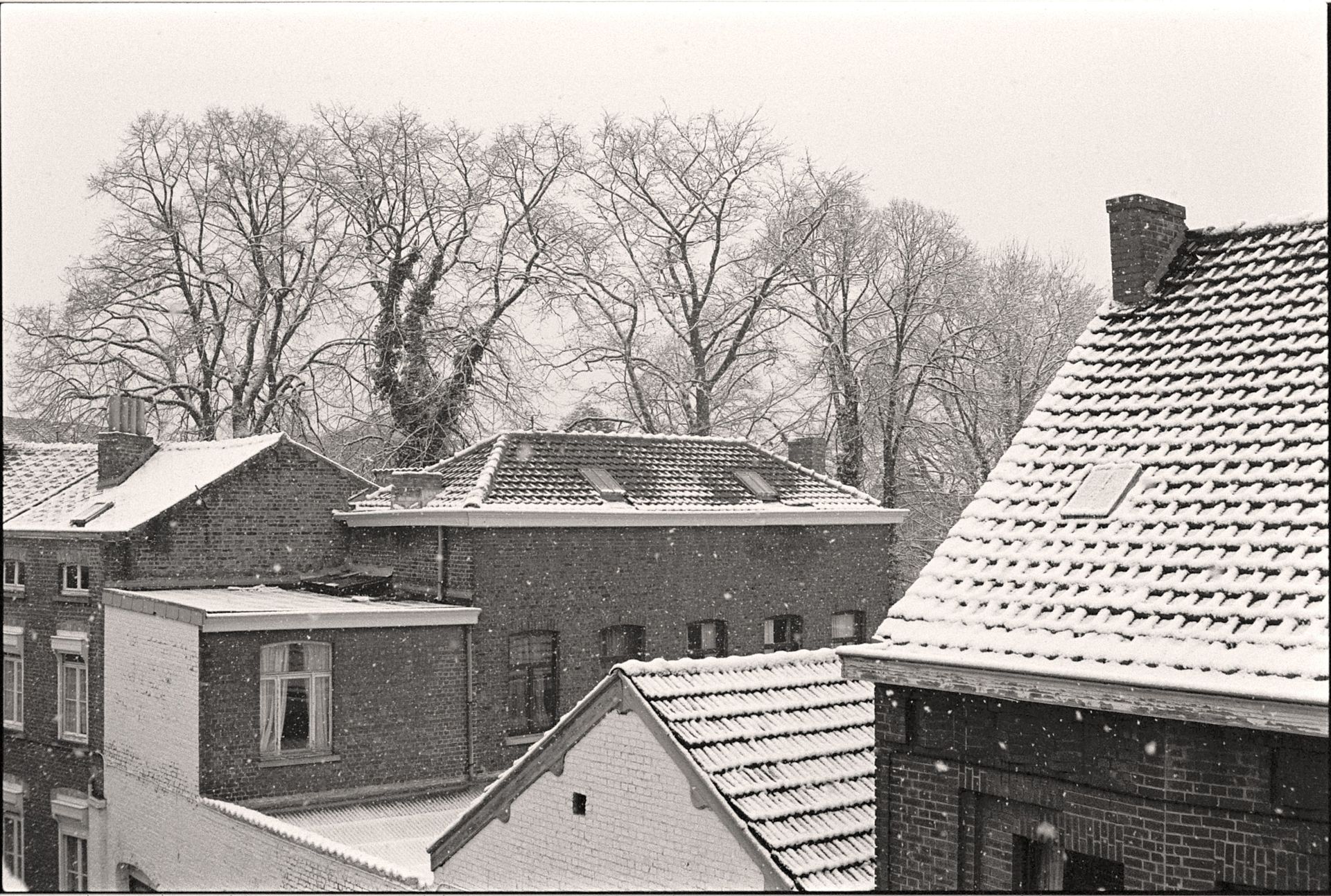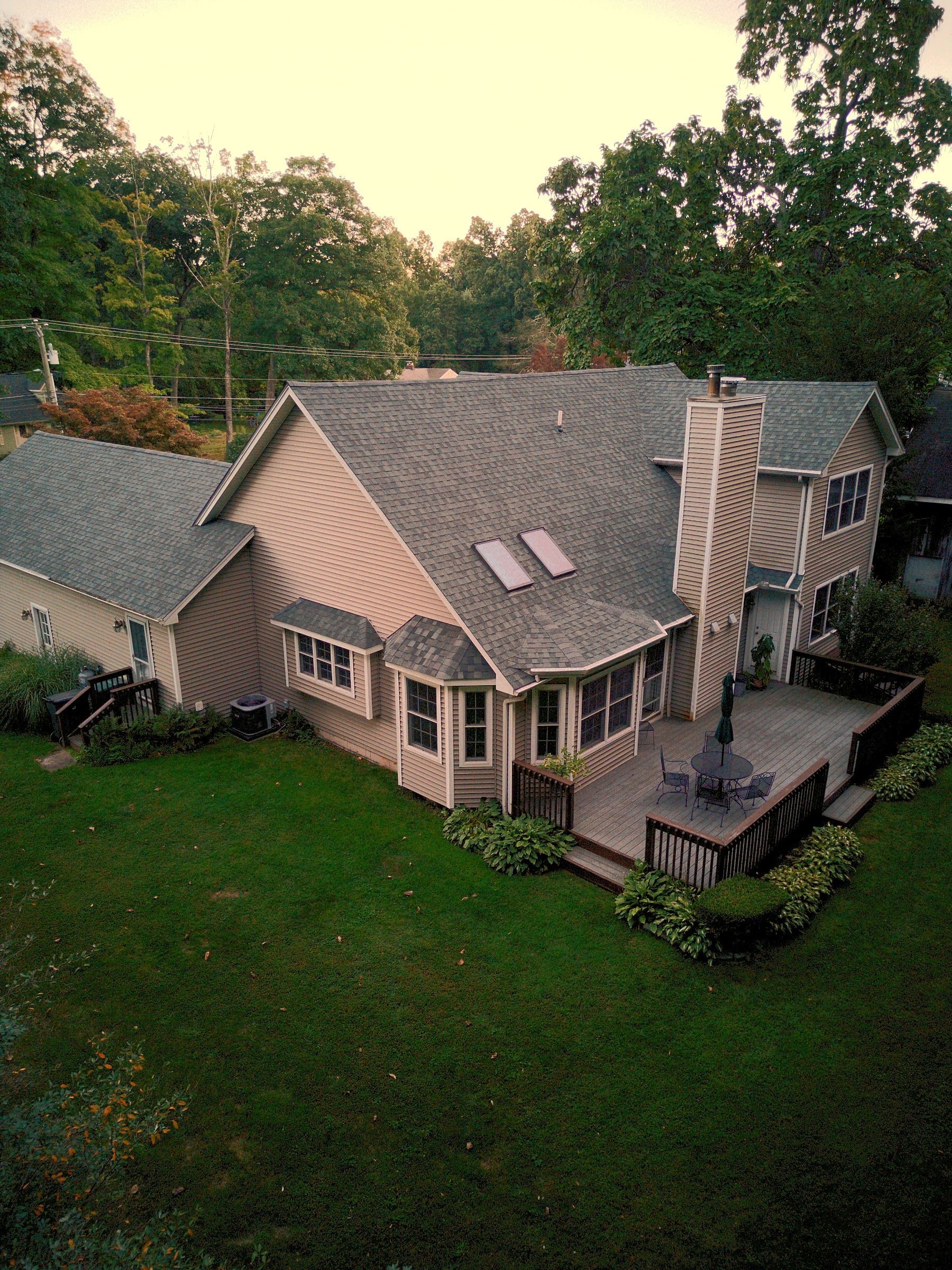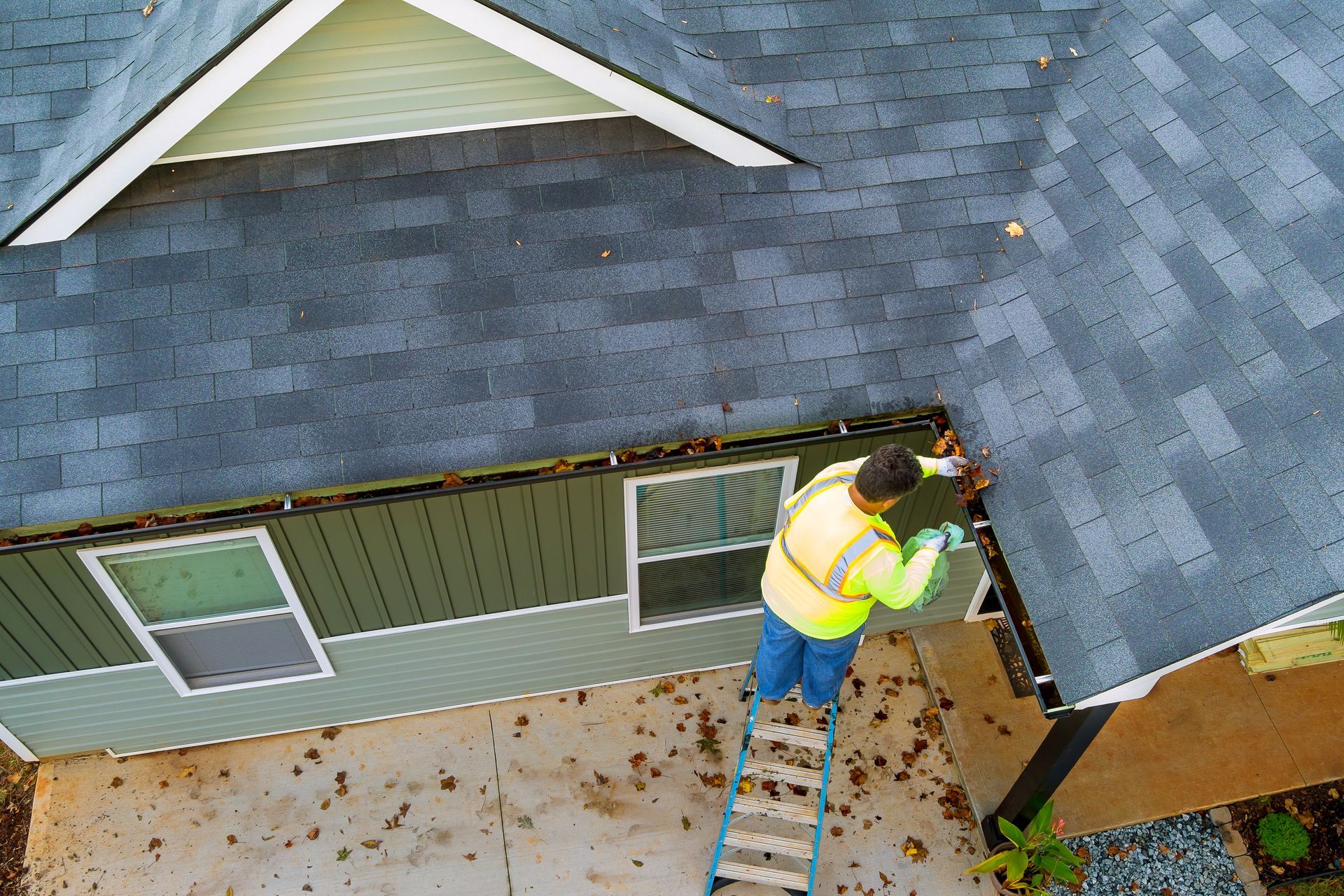
Can New Siding Be Installed in Cold Weather?

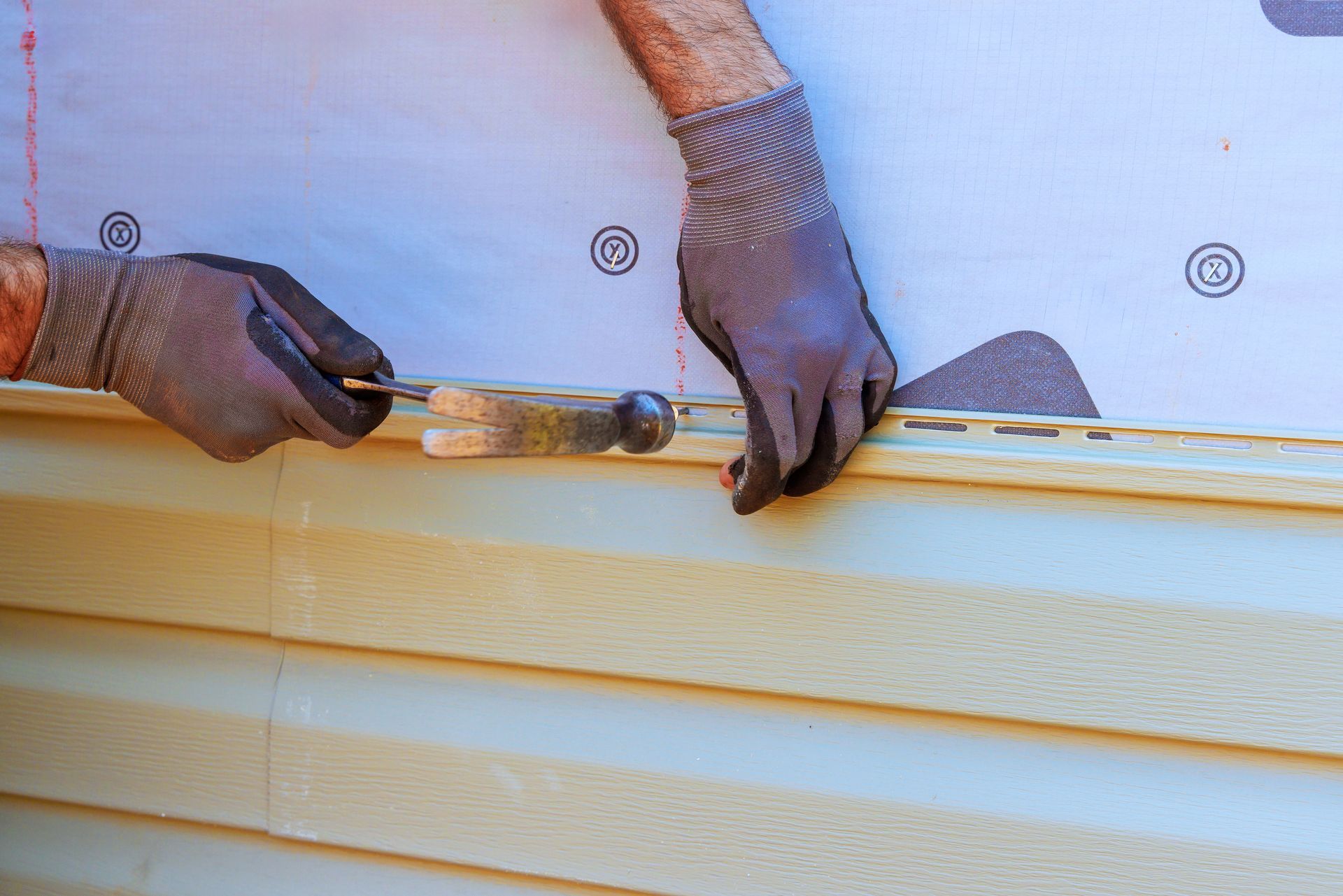
Quick answer: Yes, siding replacement can be done in cold weather, but certain materials and techniques require extra care. Vinyl siding becomes brittle below 32°F and is more prone to cracking during installation, while fiber cement and some engineered wood products hold up better in lower temperatures. Working with an experienced local contractor familiar with siding Cheshire CT winters helps ensure a smooth, damage-free install regardless of the season.
Key Takeaways
- Cold weather doesn't have to delay your siding project, but it does require adjusted techniques, especially for vinyl materials that become brittle in freezing temperatures.
- Fiber cement and engineered wood siding are generally more forgiving in cold conditions than standard vinyl products.
- Hiring an experienced local installer who understands winter conditions in Cheshire, CT, reduces the risk of cracked panels, poor seals, and costly rework.
Winter in Connecticut brings freezing mornings, the occasional snowstorm, and a lot of questions from homeowners wondering if major exterior projects can still happen. If your siding is cracked, faded, or letting in drafts, waiting until spring might feel like the safer choice. But here's the good news: siding replacement doesn't have to be a seasonal job.
Many homeowners assume contractors pack up their tools the moment temperatures drop. In reality, siding can be installed successfully throughout the colder months, provided the right materials and techniques are used. Understanding how cold weather affects different siding types will help you make an informed decision about timing your project.
How Does Cold Weather Affect Siding Materials?
Temperature plays a significant role in how siding materials behave during installation. Some materials contract, stiffen, or become more fragile as temperatures drop, which changes how they need to be handled on the job site.
Why Does Vinyl Siding Become Brittle in Cold Weather?
Vinyl siding is made from PVC, a plastic that naturally contracts in cold temperatures and expands in warm ones. When temperatures fall below freezing, vinyl panels lose flexibility and become more prone to cracking or snapping if handled too roughly during cutting or fastening. This doesn't mean vinyl can't be installed in winter, but it does mean installers need to work more carefully, often cutting panels with specialized tools and avoiding excessive force when snapping pieces into place.
Manufacturers typically recommend installing vinyl siding at temperatures above 32°F for the best results. Below that threshold, installation isn't impossible, but it does require a skilled hand and patience to avoid damaging the material.
Which Siding Materials Perform Best in Cold Weather?
Not all siding materials react the same way to dropping temperatures. Fiber cement siding, for example, is far less sensitive to cold than vinyl. Because it's made from a blend of cement, sand, and cellulose fibers, it remains structurally stable even in freezing conditions, making it a popular choice for winter installations.
Engineered wood siding also tends to hold up well in colder weather, offering similar durability benefits without the brittleness issues associated with vinyl. Homeowners planning a winter siding replacement project may want to discuss these alternatives with their contractor if timing is a priority.
What Should You Expect When Installing Siding in Cold Weather?
Beyond material selection, several practical factors come into play when installing siding during colder months.
Does Cold Weather Slow Down the Installation Process?
Yes, somewhat. Cold weather can slow the pace of installation because materials need to be handled more deliberately and workers may need to take more frequent breaks to manage safety in freezing conditions. Shorter daylight hours in winter can also mean fewer working hours per day. However, a well-prepared crew can still complete most residential projects within a reasonable timeframe, even accounting for these adjustments.
How Does Cold Weather Affect Caulking and Sealants?
Caulking and sealants used around siding seams, windows, and trim can behave differently in cold temperatures. Some products take longer to cure in low temperatures, and certain formulations aren't rated for application below a specific threshold. Experienced contractors account for this by selecting cold-weather-rated sealants and allowing appropriate curing time, which helps maintain a weathertight seal regardless of the season.
Is It Safe to Install Siding During Snow or Ice?
Active snowfall or icy conditions are generally not ideal for installation, not because of the siding material itself, but due to safety concerns for the crew working at heights. Reputable contractors will typically pause work during active storms and resume once conditions clear, rather than pushing through unsafe weather.
Why Hire a Local Contractor for Winter Siding Projects?
Local experience matters significantly when it comes to cold-weather installations. A contractor familiar with siding Cheshire CT winters understands the specific temperature patterns, humidity levels, and seasonal challenges unique to the area. This local knowledge translates into smarter material choices, better scheduling decisions, and installation techniques tailored to actual conditions on the ground, rather than generic best practices that may not apply to Connecticut's climate.
Choose a contractor with documented cold-weather installation experience if your project timeline doesn't allow for a spring or summer start. For homeowners with more flexibility, scheduling during milder fall or spring temperatures can simplify the process, particularly for vinyl siding projects.
Don't Let Winter Delay Your Siding Project
Cold temperatures shouldn't be the deciding factor that keeps you from replacing damaged or outdated siding. With the right materials and an experienced team, siding replacement can move forward successfully even during Connecticut's coldest months. The key is working with a contractor who understands how temperature affects different siding products and adjusts their approach accordingly.
If your home needs new siding and you're unsure whether winter is the right time to start, reach out to Carden Home Improvement. Our team has hands-on experience with siding Cheshire CT homeowners can count on, no matter the season, and we're happy to walk you through the best material and timing options for your specific project.
Frequently Asked Questions
Does cold weather increase the cost of siding replacement?
Cold weather installation doesn't typically increase material costs, but some contractors may factor in additional labor time for careful handling of cold-sensitive materials like vinyl. Getting a detailed quote upfront helps clarify any seasonal pricing differences.
How long does a winter siding replacement project take?
Most residential siding projects take anywhere from a few days to two weeks, depending on home size and material. Winter projects may take slightly longer due to shorter daylight hours and careful handling requirements for certain materials.
What siding material is best for cold climates like Connecticut?
Fiber cement and engineered wood siding tend to perform better in cold climates compared to standard vinyl, which can become brittle below freezing. Choose fiber cement if durability in fluctuating temperatures is a top priority.
Can I still get a good seal around windows and doors in winter?
Yes. Contractors use cold-weather-rated caulking and sealants designed to cure properly even in lower temperatures, ensuring a tight, weatherproof seal.
Should I wait until spring to replace my siding?
Not necessarily. If your siding is damaged or failing, waiting could expose your home to further moisture and energy loss. Winter installation, done correctly by an experienced contractor, can be just as effective as a spring or summer project.