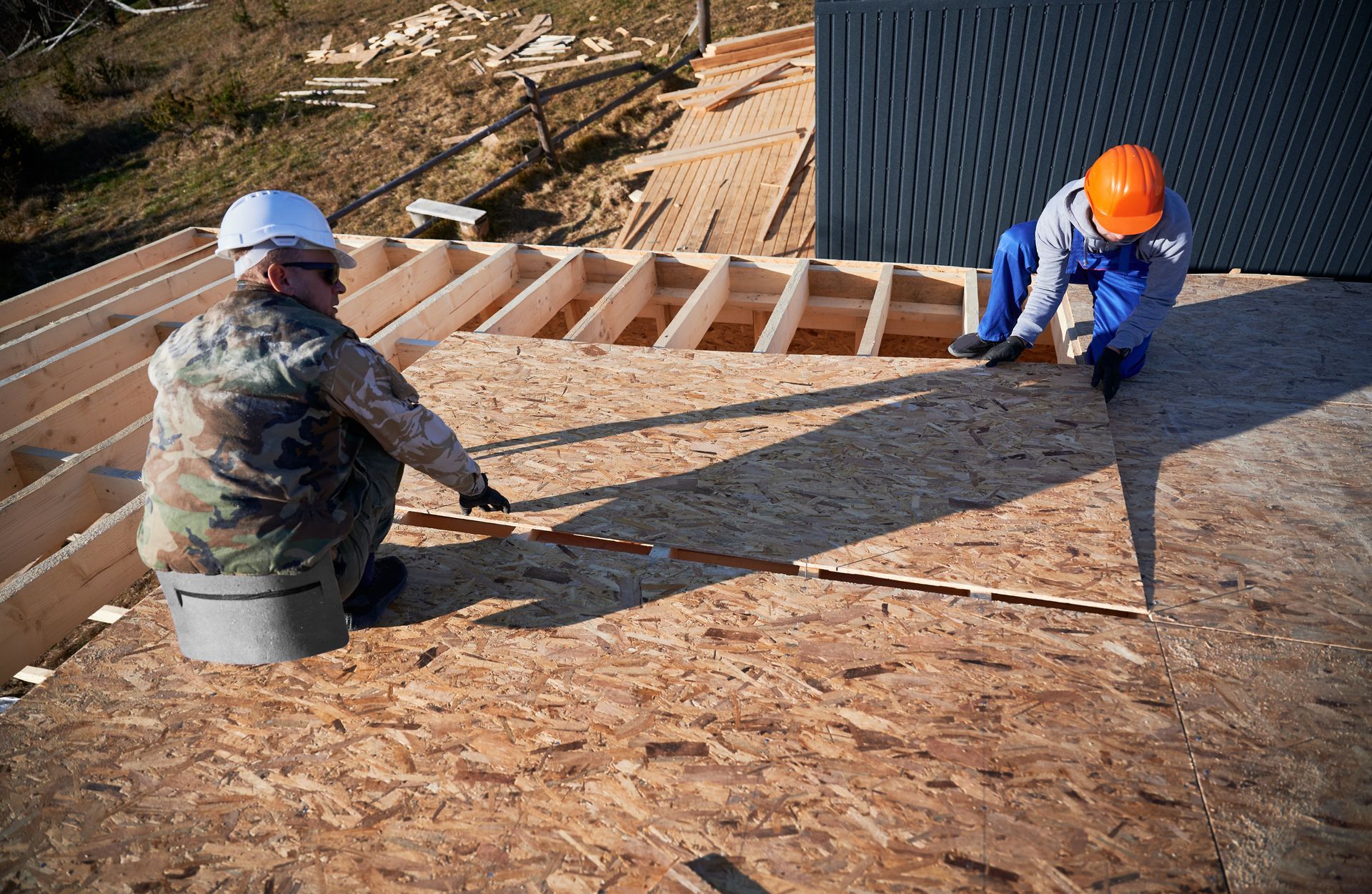
Are Your Asphalt Shingles Ready for Another Connecticut Winter?

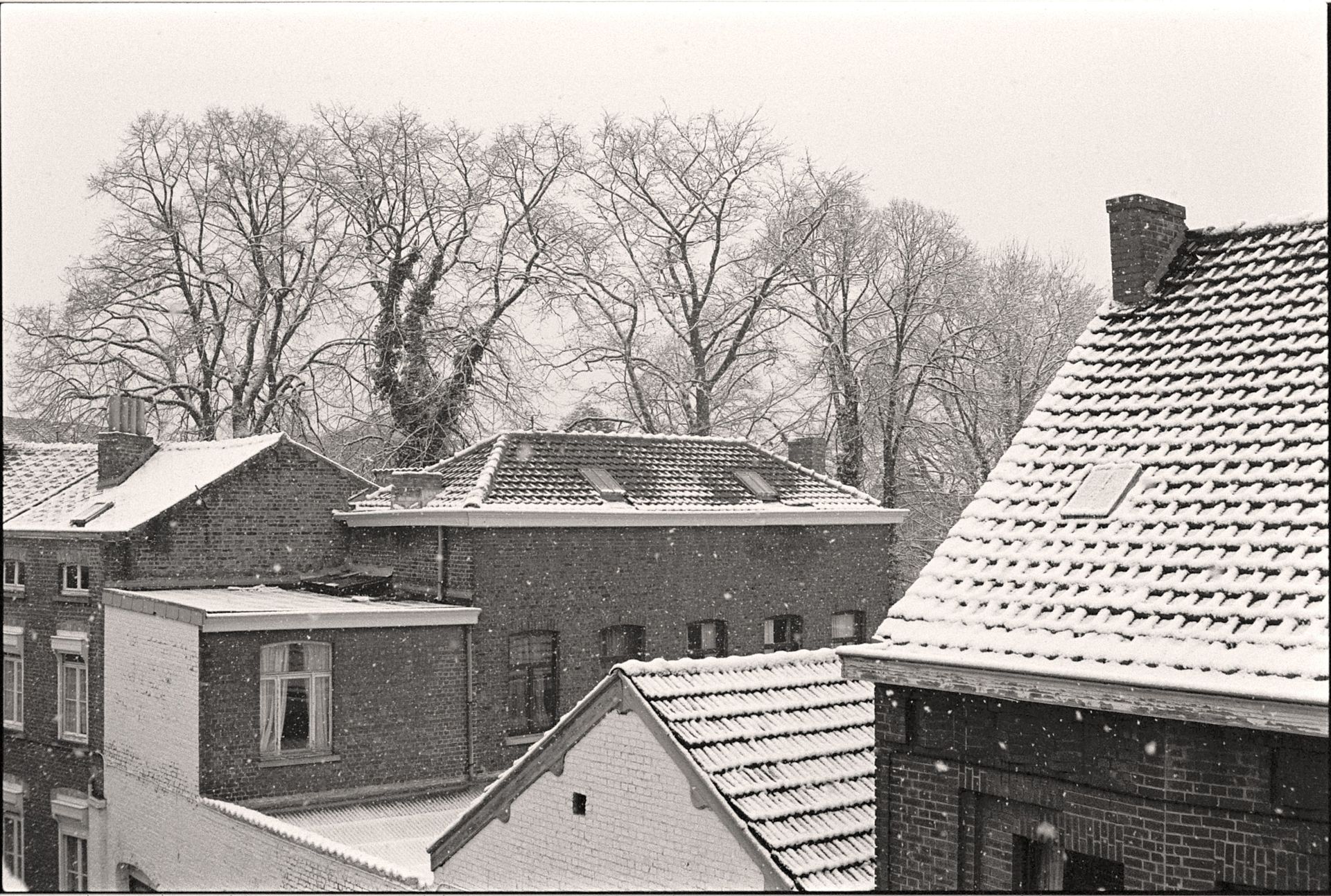
Quick Answer: Connecticut winters put serious stress on roofs through freeze-thaw cycles, ice dams, and heavy snow loads. Before the cold sets in, homeowners should inspect their asphalt shingle roofing for cracks, curling, and granule loss. Carden Home Improvement helps New Britain homeowners catch these issues early, before small problems turn into costly leaks.
Key Takeaways
- Connecticut's freeze-thaw cycles are especially hard on aging asphalt shingles, causing cracking, curling, and granule loss that weaken your roof's defenses.
- A pre-winter inspection can catch small issues, like loose flashing or clogged gutters, before they turn into expensive leaks or ice dam damage.
- Carden Home Improvement offers free roof inspections for New Britain homeowners, helping you decide whether repair or replacement makes sense before the snow flies.
Connecticut winters don't go easy on roofs. Between the freezing nights, the surprise thaws, and the heavy, wet snow that likes to stick around, your roof takes on a lot of punishment each year. And if your roof is covered in asphalt shingles, which most homes in New Britain are, that punishment adds up fast.
The good news? A little attention now can save you a major headache later. This guide walks you through what to look for, why it matters, and how to know if your roof is ready to handle whatever this winter throws at it.
Why Does Connecticut Weather Hit Asphalt Shingles So Hard?
New Britain winters are defined by their unpredictability. One week you're dealing with single-digit temperatures, and the next you're watching snow melt in a 45-degree thaw. This constant freeze-thaw cycle is one of the toughest conditions for asphalt shingle roofing to endure.
Here's what happens: moisture seeps into tiny cracks or gaps in your shingles during a thaw. When temperatures drop again, that moisture freezes and expands, widening the cracks. Repeat this cycle enough times, and even a sturdy roof starts to show real wear.
Add in heavy snow loads, ice dams, and the occasional nor'easter, and it's easy to see why Connecticut roofs age faster than those in milder climates.
What Are the Warning Signs That Your Shingles Need Attention?
Not every roofing problem is obvious from the ground. But there are several signs homeowners can watch for before calling in a professional.
Curling or Cracked Shingles
When asphalt shingles start curling at the edges or cracking across the surface, it's usually a sign they've lost flexibility. Brittle shingles are far more likely to break off during winter storms, leaving your roof exposed.
Missing Granules
Those small, sandy granules on your shingles aren't just for looks. They protect against UV rays and help shed water. If you're noticing bald patches or finding granules collecting in your gutters, your shingles may be nearing the end of their lifespan.
Dark Streaks or Moss Growth
Dark streaking is often caused by algae, while moss growth signals trapped moisture. Both can accelerate shingle deterioration, especially during Connecticut's damp, snowy months.
Sagging Rooflines
A sagging roof is one of the more serious warning signs. It can indicate structural damage underneath the shingles, often from prolonged water exposure. This isn't something to wait on. If you notice sagging, it's time to call a professional right away.
How Do Ice Dams Damage Asphalt Shingle Roofing?
Ice dams form when heat escaping from your attic melts snow on the upper roof, which then refreezes at the colder eaves. Over time, this creates a ridge of ice that blocks proper drainage, forcing water to back up under your shingles.
Once water gets under the shingles, it can seep into your attic, damage insulation, and even lead to interior leaks. This is one of the most common and preventable causes of winter roof damage in New Britain.
Proper attic insulation and ventilation go a long way toward preventing ice dams in the first place. Choose this approach if your roof is relatively new but you've dealt with ice dams in the past. It's a lower-cost fix than a full replacement and addresses the root cause.
Is It Better to Repair or Replace Your Roof Before Winter?
This depends on a few key factors: the age of your roof, the extent of the damage, and how many winters your shingles have already weathered.
- Choose repair if your roof is less than 15 years old, the damage is isolated to a small area, and the rest of the shingles are in good shape.
- Choose replacement if your roof is approaching or past the 20-year mark, you're seeing widespread curling or granule loss, or you've had repeated leaks in different areas.
A professional inspection is the most reliable way to make this call. Guessing wrong in either direction, whether that means paying for a replacement you didn't need or patching a roof that needed full replacement, ends up costing homeowners more in the long run.
What Should a Pre-Winter Roof Inspection Include?
A thorough inspection should cover more than a quick glance from the driveway. Look for these key areas:
- Shingle condition – cracking, curling, or missing granules
- Flashing – around chimneys, vents, and skylights, where leaks commonly start
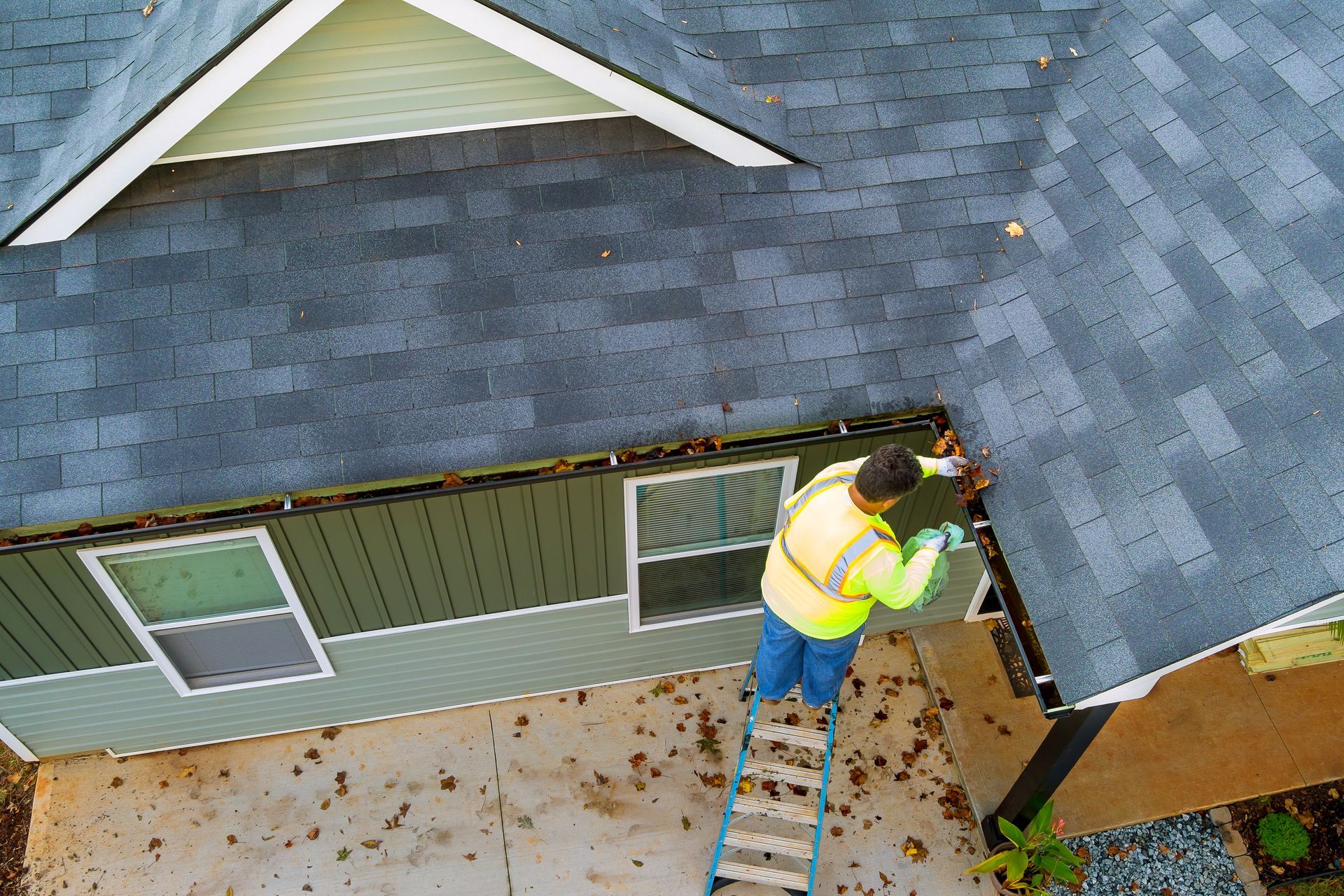
- Gutters and downspouts – clogs can contribute directly to ice dam formation
- Attic ventilation and insulation – poor airflow accelerates both ice dams and shingle aging
- Soft spots or sagging – signs of underlying structural damage
If you're not comfortable getting on a ladder, this is a job best left to professionals who know exactly what to look for.
Getting Your Roof Ready Before the First Snowfall
Waiting until a leak appears is the most expensive way to deal with roof damage. A proactive inspection now can mean the difference between a simple repair and a full winter roofing emergency.
Carden Home Improvement has helped New Britain homeowners prepare their roofs for Connecticut winters for years. Our team understands exactly how local weather affects asphalt shingles New Britain CT homes rely on, and we offer free inspections to help you plan ahead with confidence.
Don't wait for the first snowstorm to find out your roof wasn't ready. Contact Carden Home Improvement today to schedule your pre-winter roof inspection.
Frequently Asked Questions
How long do asphalt shingles typically last in Connecticut?
Most asphalt shingle roofs last between 15 and 25 years in Connecticut, though harsh winters and poor attic ventilation can shorten that lifespan.
How much does a roof inspection cost?
Carden Home Improvement offers free roof inspections for New Britain homeowners, with no obligation to move forward with repairs.
Can I install asphalt shingles in cold weather?
Shingle installation is possible in cold weather, but it's more difficult to achieve a proper seal below 40°F. Fall is generally the best time to schedule repairs or replacement before winter arrives.
What's the biggest risk of ignoring minor shingle damage?
Small cracks or missing granules can let moisture into the roof deck, leading to leaks, mold, and even structural damage if left unaddressed through a full winter season.