How to Spot Wind-Damaged Shingles After an Autumn Storm

Quick answer: After an autumn storm, check your roof for curled, cracked, or missing shingles, granule loss in gutters, and exposed nail heads. These are the most common signs of wind damage and often require prompt roof repair to prevent leaks. If you spot any of these issues, contact a local roofing professional, like Carden Home Improvement, for an inspection.
Key Takeaways
- Wind damage often hides in plain sight — look for curled edges, cracked shingles, and granule buildup in your gutters after any autumn storm.
- Acting quickly on minor shingle damage can prevent costly leaks, mold, and structural issues down the road.
- A professional inspection is the safest way to catch damage you might miss from the ground, especially for homeowners searching for reliable roof repair Southington CT services.
Autumn storms bring more than falling leaves and cooler temperatures. Gusty winds, sudden downpours, and the occasional early-season hailstorm can take a real toll on your roof — often without you realizing it until a leak shows up months later. Shingles are built to withstand a lot, but sustained wind speeds above 50 mph can lift, crack, or tear them loose entirely.
The tricky part? Wind damage isn't always obvious from the driveway. A shingle can be compromised and still look fine from a distance, which is why homeowners in Connecticut need to know exactly what to look for after a fall storm rolls through. This guide walks you through the telltale signs of wind-damaged shingles, why they matter, and when it's time to call in a professional for roof repair.
What does wind damage to shingles actually look like?
Wind doesn't damage every roof the same way. Depending on the direction and intensity of the storm, you might see a few isolated problem spots or damage spread across an entire slope. Here's what to watch for.
Curled or lifted edges
When wind gets underneath a shingle, it can lift the edges and cause them to curl upward. This breaks the seal that keeps water out, leaving your roof vulnerable even if the shingle hasn't torn away completely. Curling is often easiest to spot on south- or west-facing slopes, which tend to catch the most wind and sun exposure.
Cracked or torn shingles
Strong gusts can crack shingles outright, especially older ones that have already become brittle from sun exposure. Look for jagged lines, splits, or shingles that appear bent at an unnatural angle. Even hairline cracks can let moisture seep into the roof deck over time.
Missing shingles
This is the most obvious sign of storm damage, but it's not always visible from ground level. A missing shingle leaves the underlayment exposed, which means your roof has almost no protection against the next rainstorm. If you notice bare patches, treat it as a priority repair.
Granule loss
Asphalt shingles are coated with granules that protect against UV rays and add fire resistance. High winds can knock these granules loose, and you'll often find them collecting in your gutters or at the base of downspouts after a storm. A little granule loss is normal over time, but a sudden, noticeable increase usually points to wind damage.
Exposed or raised nail heads
Wind can work nails loose, causing them to back out or expose their heads above the shingle surface. This might seem minor, but exposed nails create small entry points for water and can worsen with every subsequent storm.
Why does minor wind damage matter so much?
It's tempting to ignore a few curled shingles, especially if your roof isn't actively leaking. But according to the National Roofing Contractors Association, even small breaches in your roof's surface can lead to water infiltration, wood rot, and insulation damage long before a visible leak appears indoors. By the time you see a water stain on your ceiling, the damage has often been developing for weeks or months.
Choose prompt repair over a wait-and-see approach if your home has a history of leaks, is more than 10 years old, or sits in an area prone to frequent storms. Waiting usually costs more in the long run, since a $200 shingle repair today can turn into a $2,000 deck replacement if left unaddressed.
How can you safely check your roof after a storm?
You don't need to climb onto your roof to do a basic damage check. Here's a safer approach:
- Walk the perimeter of your home and look up for any obviously missing or displaced shingles.
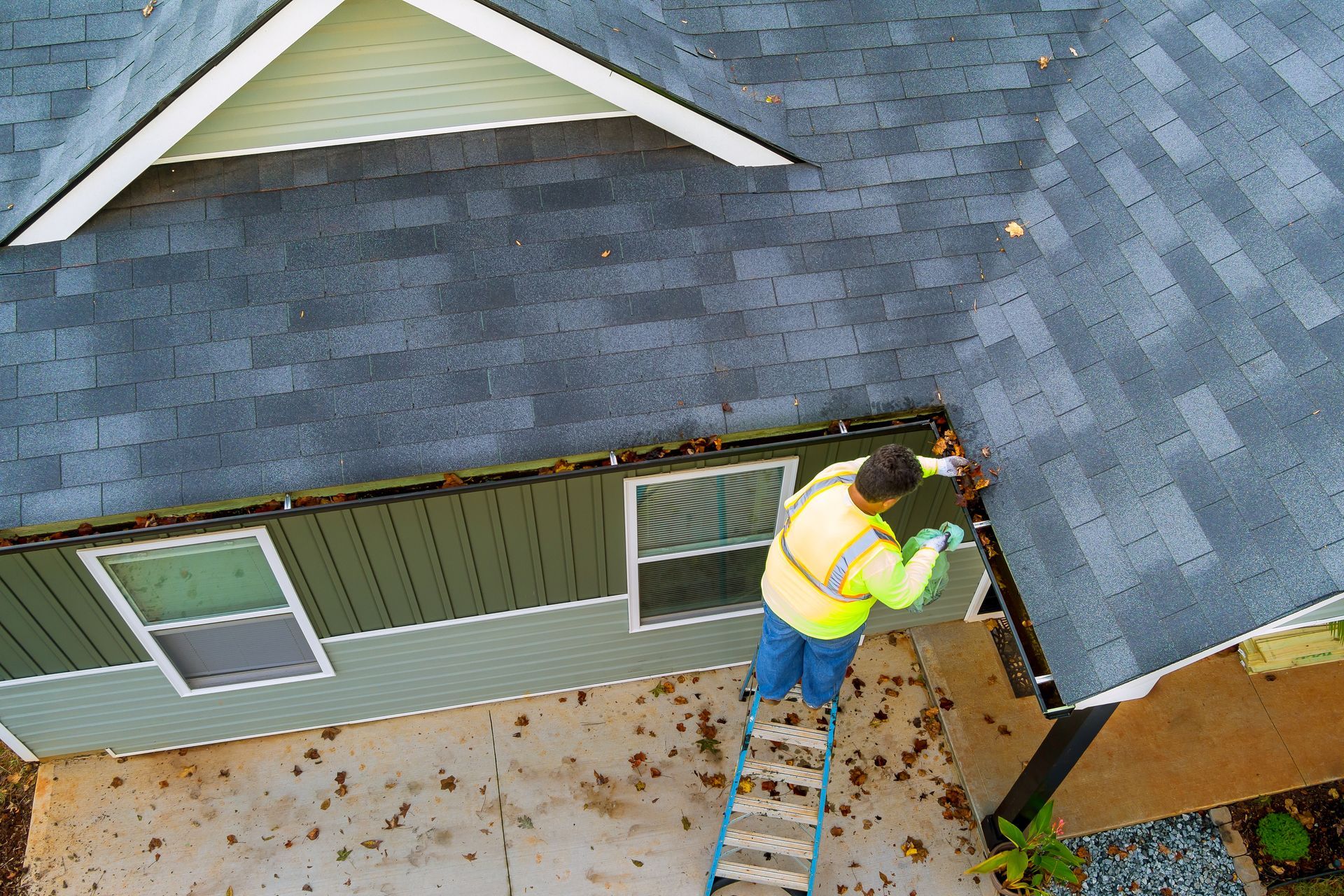
- Check your gutters and downspouts for granule buildup, which often signals wind abrasion.
- Inspect your yard for shingle fragments or granules that may have blown off during the storm.
- Look at your attic (if accessible) for signs of daylight coming through the roof deck or fresh water stains.
- Use binoculars to get a closer look at hard-to-see areas without climbing a ladder.
If any of these checks raise red flags, it's time to bring in a professional rather than attempting a DIY fix. Roofing work involves real fall risks, and an inexperienced repair can sometimes cause more harm than good.
When should you call a professional for roof repair?
Choose a professional inspection if you notice any of the warning signs above, if your roof is older than 15 years, or if your home experienced direct impact from falling branches during the storm. A trained eye can catch subtle issues — like underlayment damage or soft spots in the decking — that are nearly impossible to detect from the ground.
For homeowners searching for dependable roof repair Southington CT options, Carden Home Improvement offers thorough post-storm inspections designed to catch problems early, before they turn into expensive repairs. Our team checks not just the shingles themselves, but also flashing, gutters, and ventilation points that are commonly affected by high winds.
Protect your home before the next storm hits
Connecticut's autumn weather can shift quickly, and one storm is rarely the last of the season. Addressing wind damage early — even if it seems minor — helps protect your home from the costlier problems that come with prolonged exposure to moisture and debris.
If you've spotted curled shingles, granule buildup, or missing pieces after a recent storm, don't wait for a leak to confirm the damage. Schedule an inspection with Carden Home Improvement today and get ahead of any issues before winter weather makes repairs more difficult.
FAQ
How much does roof repair typically cost after storm damage?
Costs vary based on the extent of damage, but minor shingle repairs often range from $150 to $400, while larger sections of damage can run into the thousands. A professional inspection is the best way to get an accurate estimate for your specific situation.
How long does a typical shingle repair take?
Most minor repairs can be completed in a single day, assuming weather conditions allow safe access to the roof. Larger repairs involving multiple sections may take two to three days.
Can I repair wind-damaged shingles myself?
Small, ground-level fixes like clearing debris are fine to handle yourself, but shingle replacement involves fall risks and specialized tools. For safety and long-term reliability, it's best to leave shingle repair to a licensed roofing contractor.
What happens if I ignore minor wind damage?
Ignoring small issues like curled or cracked shingles often leads to water infiltration, which can cause wood rot, mold growth, and higher repair costs over time.
Is wind damage covered by homeowners insurance?
Many homeowners insurance policies cover wind damage, though coverage details vary by provider and policy. Check with your insurer and keep photo documentation of any damage to support a claim.