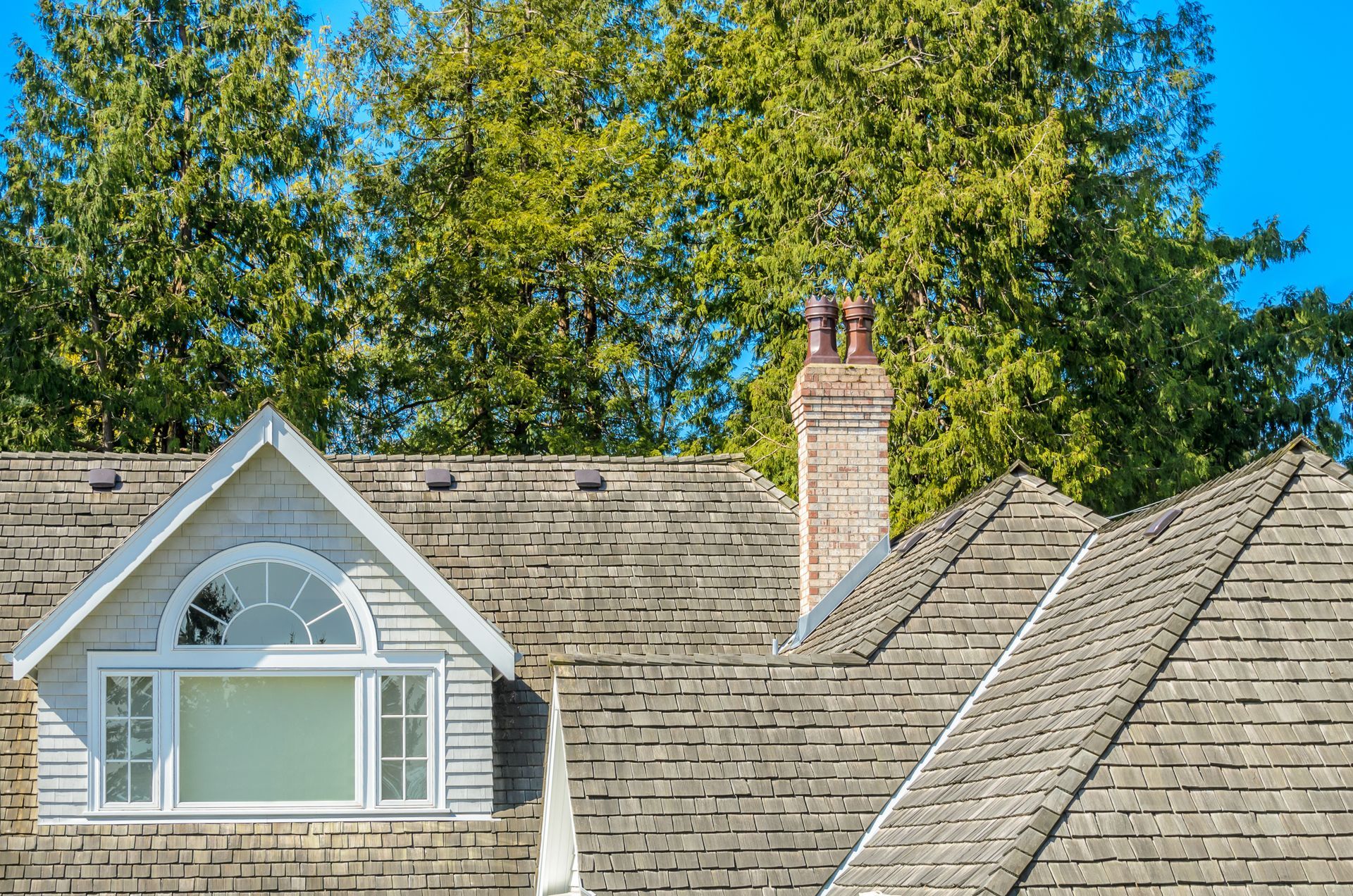
How to Tell If Roof Decking Needs Replacement

Your roof decking is the wood layer that sits between your shingles and your rafters. When it starts to fail, you'll usually see sagging, water stains in the attic, or soft spots underfoot. Catching these signs early can save you from a much bigger repair bill later on.
At Carden Roofing, we've worked on hundreds of Connecticut homes, and decking issues are one of the most common problems we find during tear-offs. Many homeowners don't realize their decking is in bad shape until we pull off the old shingles. This guide walks you through the warning signs to watch for, what causes decking to fail, and how to decide between repair and full replacement.
What Is Roof Decking and Why It Matters
Roof decking is the foundation of your entire roofing system. It's the wood layer that your shingles, underlayment, and flashing all attach to. Without strong decking, none of the other parts can do their job.
The Role of Roof Decking in Your Roofing System
The decking gives your roof its shape and provides a solid surface for the materials above it. It also helps carry the weight of snow, rain, and anyone walking on the roof during repairs or inspections. If the decking is weak, the whole roof is weak.
Common Roof Decking Materials
Most CT homes use one of three decking types:
- Plywood — the most common option since the 1970s, made of layered wood. Strong and resists warping, but can delaminate after long water exposure.
- OSB (oriented strand board) — engineered wood made of compressed wood strands. More affordable than plywood, but more sensitive to moisture damage.
- Solid wood planks — found in homes built before 1960. Generally durable, but gaps between boards can allow leaks.
How decking fails depends partly on which type your home was built with.
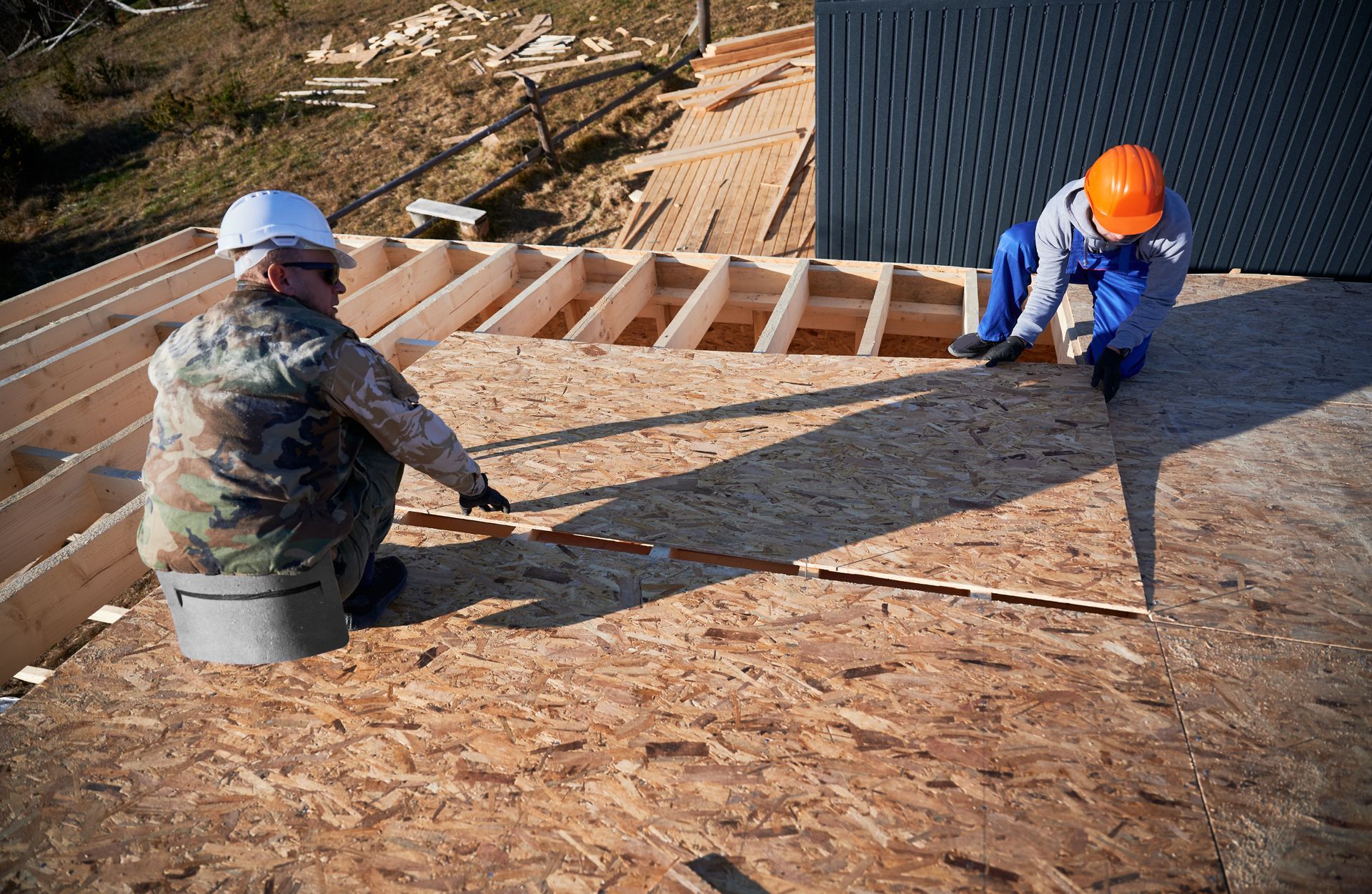
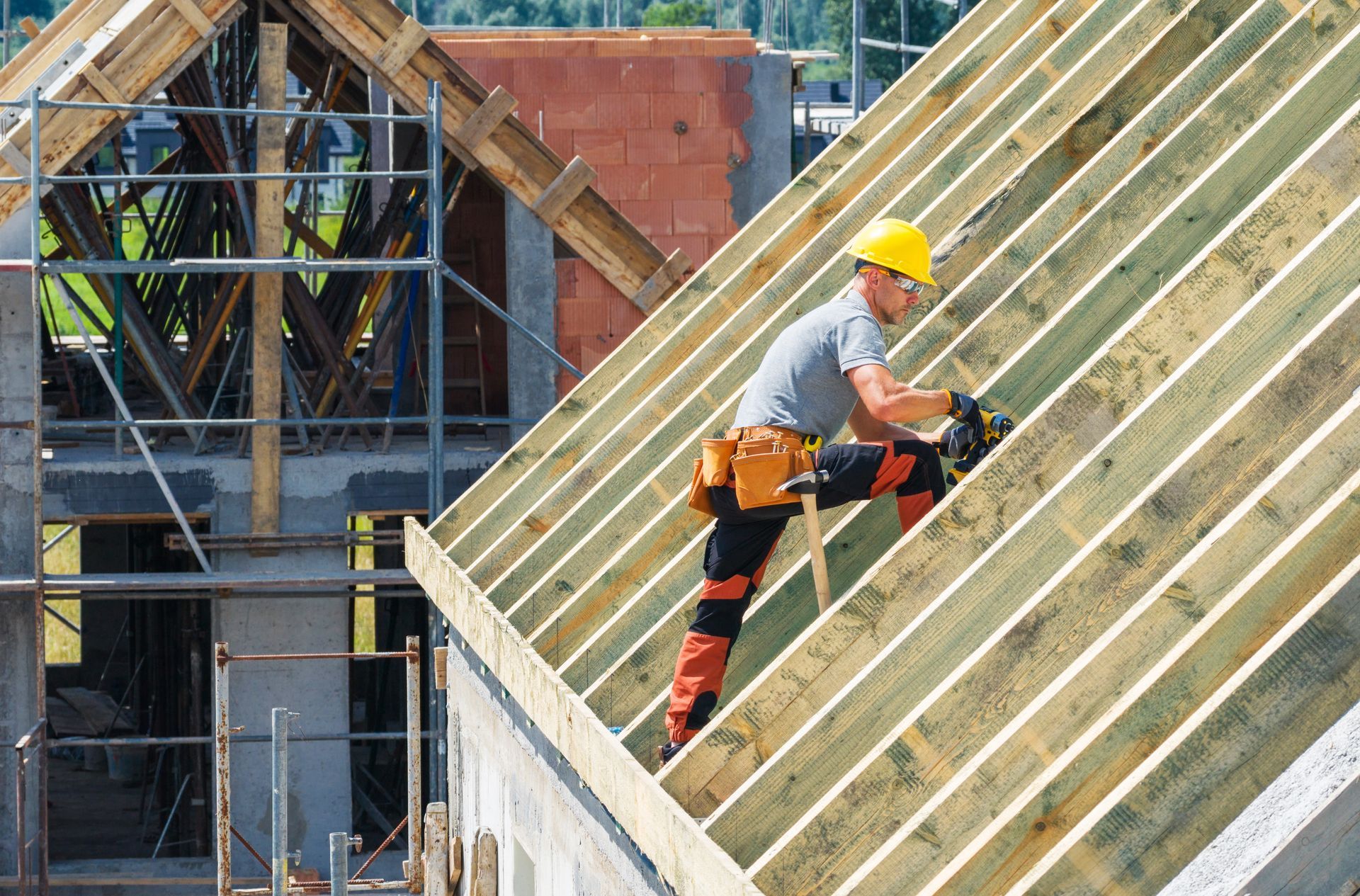
Roof Decking Thickness, Grade, and Code Requirements
Connecticut follows the International Residential Code (IRC), which sets minimum decking thickness based on your rafter spacing and the roofing material on top. Most CT homes have rafters spaced 16 or 24 inches apart.
Minimum thickness requirements:
- 16" rafter spacing: 7/16" OSB or 3/8" plywood at minimum
- 24" rafter spacing: 19/32" (5/8") OSB or 1/2" plywood at minimum
- Heavy materials (slate or tile): thicker decking, often 5/8" or 3/4" plywood
For full replacements, most CT roofers use 5/8" CDX plywood or 7/16" rated OSB as the standard. "CDX" means the face is C-grade, the back is D-grade, and the glue is exterior-rated for moisture resistance. Look for an APA stamp on the panels, which confirms they're rated for roof use.
Other code-driven details that affect your job:
- Nail pattern: 6 inches on panel edges and 12 inches in the field, using 8d common nails or equivalent staples
- Panel orientation: the long side runs perpendicular to the rafters
- Spacing: a 1/8" gap between panels allows for natural expansion in humid weather
- Permits: most CT towns require a permit for full decking replacement; small spot repairs usually don't
If you're not sure what's on your roof now, a contractor can pull a small section of shingles to check the thickness and grade before quoting the job.
Top Signs Your Roof Decking Needs Replacement
Most decking problems show up in one of two places: on the roofline outside, or in the attic above your ceiling.
Visible from outside:
- Sagging, dips, or waves in the roofline
- Damaged or curling shingles in localized patches
- Roofing nails backing out of the shingles
Visible from the attic:
- Water stains or discoloration on the wood
- Soft or spongy spots when you press the decking
- Daylight coming through the boards
Here's a closer look at each warning sign.
Visible Sagging or Dips in the Roofline
Step back and look at your roof from the street. A healthy roof has straight, even lines. If you see waves, dips, or sagging between the rafters, the decking underneath is likely soft or rotted.
Water Stains or Moisture in the Attic
Brown stains on the underside of your roof decking are a sign of past or active leaks. Even if the leak has stopped, the wood may already be too damaged to keep. Our team often finds hidden leak damage during routine inspections that homeowners had no idea was there.
Rot, Mold, or Soft Spots on the Decking
If you can safely get into your attic, push gently on the decking. If it feels spongy or you can press your finger into it, the wood is rotting. Mold or mildew growth on the underside is another bad sign.
Missing or Loose Roofing Nails
Nails that have backed out of the roof often mean the decking is no longer holding them tight. This usually happens when the wood gets wet and dries repeatedly over time.
Excessive Granule Loss or Damaged Shingles Above
When decking shifts or warps, the shingles on top crack, curl, or lose granules faster than normal. If you notice patches of damaged shingles in the same area, the problem may not be just the shingles.
Daylight Visible Through the Attic
If you can see daylight coming through the roof boards in your attic, water and pests can get through too. This is one of the clearest signs that the decking needs work.
What Causes Roof Decking to Fail
Most decking failures come down to moisture, but they reach the wood in different ways:
- Slow leaks around chimneys, skylights, and flashing
- Trapped attic moisture from poor ventilation
- Ice dams, heavy snow loads, and storm damage
- Age and natural wear, usually after 30 to 40 years
Here are the main causes we see in Connecticut homes.
Long-Term Water Exposure and Leaks
Even small leaks around flashing, chimneys, or skylights can soak the decking over time. The wood swells, dries, and eventually rots from the inside out.
Poor Attic Ventilation and Trapped Moisture
If warm, humid air gets trapped in the attic, it condenses on the cold underside of the decking. This is one of the most common causes of hidden decking damage, especially in older CT homes. Choosing the right ventilation setup, like ridge vents or box vents, makes a big difference in how long your decking lasts.
Storm Damage and Heavy Snow Loads
Connecticut winters put a lot of stress on roofs. Heavy snow, ice dams, and wind-driven rain all weaken decking quickly, especially when there's an existing issue. Preventing ice dams and the leaks they cause is one of the most important things CT homeowners can do for their decking.
Aging Materials and Wear Over Time
Plywood and OSB are tough, but they don't last forever. After 30 or 40 years, even well-maintained decking can start to break down.
How Roofing Professionals Inspect Roof Decking
When we look at a roof, we check the decking from two sides.
Exterior Inspection from the Roof Surface
We walk the roof to look for sagging, soft spots underfoot, and any signs of damage around penetrations. If we suspect a problem, we may lift a few shingles to check the wood directly. A full roof inspection checklist covers every area where decking issues tend to show up.
Interior Inspection from the Attic
From inside the attic, we look for water stains, mold, daylight, and any soft or discolored areas. This often tells us more than what we can see from outside.
When Decking Is Checked During a Roof Replacement
The most accurate check happens during a tear-off. Once the old shingles and underlayment are gone, we can see every inch of the decking and replace what's needed before the new roof goes on. This is also why we generally recommend against installing new shingles over old ones, since it hides any decking problems underneath.
How to Inspect Your Roof Decking Yourself
You don't have to be a roofer to spot most decking problems. A careful look from the ground and from inside the attic catches the majority of warning signs early.
Safety First
Never walk on the roof yourself, especially when it's wet, icy, or steep. Most decking checks can be done safely from a ladder at the eaves or from inside the attic. If you don't feel safe doing either, skip straight to scheduling a free inspection.
From the Ground or a Stable Ladder
Walk around your home and look up at the roofline from several angles. You're checking for:
- Straight, even roof lines (waves or dips signal trouble below)
- Shingles lying flat against each other (no curling, buckling, or gaps)
- Solid edges along the rakes and eaves (no soft or sagging sections)
- Nails that have backed out of the shingles
Binoculars help if your home is tall. Photos taken from the ground are useful documentation if you end up filing an insurance claim later.
From Inside the Attic
Bring a strong flashlight and check on a dry, sunny day. The contrast between bright daylight and the dark attic makes problems easier to spot.
- Daylight coming through any boards or seams
- Dark stains, streaks, or rings around nail heads
- Soft spots when you press the decking from below
- Black, green, or white growth on the wood (mold or mildew)
- Frost or condensation in winter, which signals a ventilation problem
When to Stop and Call a Pro
If you find any of these signs, stop your inspection and schedule a professional visit:
- Daylight visible through more than one or two spots
- Widespread mold or rot on the underside of the decking
- Sagging that's clearly worsened since the last time you looked
- Active dripping, wet wood, or standing water
These signs suggest damage has gone beyond surface issues, and the decking likely needs replacement rather than spot repair.
Repair or Replace: How to Decide
The answer depends on how much of the decking is damaged and where the damage is. This quick comparison can help you frame the decision before you call a contractor.
| Factor | Spot Repair | Full Replacement |
|---|---|---|
| Damage extent | Less than 25% of decking | More than 25–30% of decking |
| Damage location | Isolated to one area | Spread across multiple sections |
| Roof age | Less than 15 years old | More than 15–20 years old |
| Typical cost in CT | $300–$1,500 per area | $3,000–$8,000+ on top of roof replacement |
| Project timing | Standalone repair | During a full roof tear-off |
| Long-term reliability | Good if surrounding wood is healthy | Best for whole-roof longevity |
When Spot Repairs Make Sense
If only a few small sections are bad, we can usually cut out and replace just those pieces. This is common when a small leak caused damage in one localized area.
When Full Decking Replacement Is the Better Choice
If more than 25% to 30% of the decking is damaged, or if the damage is spread across multiple areas, full replacement is usually smarter. Patching everywhere costs more in labor and leaves weak spots between old and new wood.
How Decking Issues Affect Roof Replacement Costs
Replacing decking adds to the cost of a new roof. In CT, expect to pay an additional $70 to $100 per sheet of plywood or OSB, including labor. A reputable contractor will give you a clear allowance up front, so you're not surprised on tear-off day. Get more detail on full pricing in our 2026 CT roof replacement cost guide.
What to Expect During a Roof Decking Replacement
If your decking needs work during a roof replacement, here's how the process looks.
Removing the Old Roofing Material
The shingles, underlayment, and any flashing have to come off first. This exposes the decking and lets the crew see every problem area.
Inspecting and Replacing the Damaged Decking
We check every square foot, mark the bad spots, and cut out damaged sections. New plywood or OSB is fastened down with the right nails and spacing to meet code.
Installing New Underlayment and Shingles
Once the decking is solid, we lay down fresh underlayment, ice and water shield where needed, and the new shingles. A strong deck gives the new roof a much longer life.
Typical Project Timeline
Most roof replacements with decking work take 1 to 3 days, depending on the size of the roof and how much decking needs to be swapped:
- Day 1: Tear-off of old shingles, decking inspection, replacement of damaged sections
- Day 2: Underlayment, ice and water shield, and new shingle installation
- Day 3: Cleanup, magnetic sweep for stray nails, final walkthrough
Decking-heavy jobs can add a half day or full day depending on how spread out the damage is. Most CT crews work through light rain but pause during heavy storms or high winds.
Protect Your Home With a Strong, Healthy Roof Deck
Healthy decking is what keeps your roof, attic, and home interior safe from water damage. If you've noticed any of the warning signs above, the smartest move is to get an inspection before the problem spreads further.
If you suspect decking damage, take these steps:
- Take photos of any visible sagging, stains, or soft spots
- Avoid walking on the roof until it's been inspected
- Schedule a professional inspection within 1 to 2 weeks
- Ask for written documentation if you may file an insurance claim
Carden Roofing offers free roof inspections across Connecticut. We'll check your decking, attic, and shingles, then give you straight answers about whether you need spot repairs, a full replacement, or just routine maintenance. Call us today or fill out our contact form to schedule a visit.
Frequently Asked Questions
How long does roof decking usually last?
Plywood or OSB decking typically lasts 30 to 50 years when the roof above stays in good shape and the attic is well-ventilated. Leaks and trapped moisture are what shorten its life.
Is plywood or OSB better for roof decking?
Plywood is stronger and handles water exposure better, but OSB is more affordable and works fine in dry, well-ventilated roofs. Most CT roofers use 5/8" plywood or 7/16" OSB to meet code, and both perform well when installed correctly.
Does homeowners insurance cover roof decking replacement?
Insurance usually covers decking damage caused by sudden events like storms, fallen trees, or fires. It typically does not cover damage from slow leaks, poor maintenance, or age-related rot. Always document the damage and the cause before filing a claim.
How much does roof decking replacement cost in CT?
In Connecticut, plan on $70 to $100 per 4x8 sheet of new decking, including labor, on top of your roof replacement cost. Full decking replacement on an average home runs $3,000 to $8,000 depending on roof size and access.
Can roof decking be replaced from inside the attic?
In rare cases, small sections can be reinforced from below, but full replacement almost always requires removing the shingles and underlayment from above. This is why decking work is usually paired with a roof replacement.