Gutter Guards vs. Open Gutters: Which Wins in Leaf-Heavy Neighborhoods?

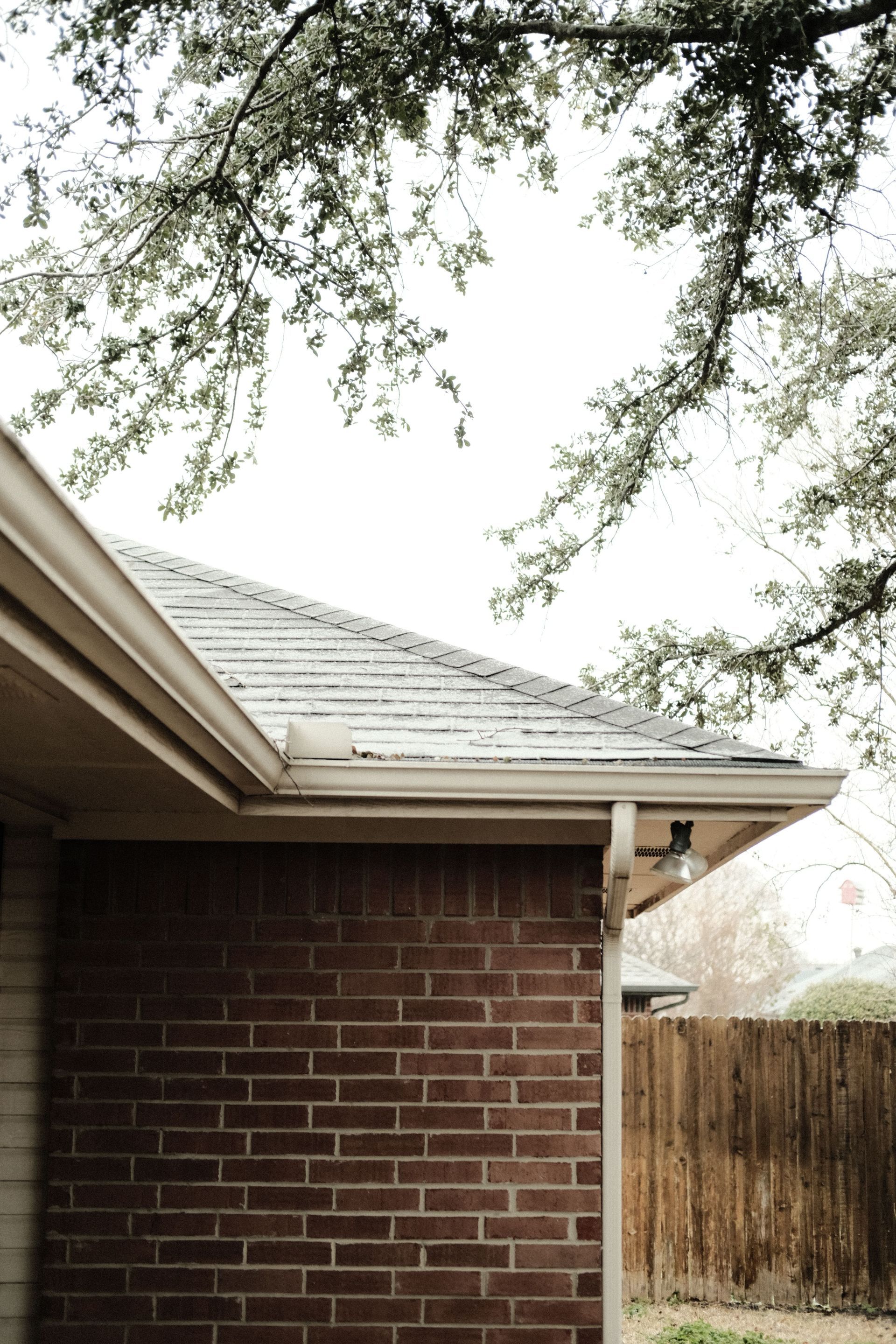
Quick answer: For homes surrounded by mature trees, gutter guards outperform open gutters by preventing leaf buildup, reducing clogs, and cutting down on seasonal maintenance. Open gutters cost less upfront but require frequent cleaning, especially during fall. Homeowners in leafy areas like Simsbury, Connecticut, typically save time and avoid water damage by investing in a quality guard system.
Key Takeaways
- Gutter guards significantly reduce leaf and debris buildup, lowering the risk of clogs, overflow, and water damage to your home's foundation.
- Open gutters cost less to install but demand frequent cleaning—often multiple times a season in tree-dense neighborhoods.
- For homeowners near gutters Simsbury CT residents rely on, the right choice depends on tree coverage, budget, and how much maintenance you're willing to take on.
If you live on a street lined with oaks, maples, or pines, you already know the fall ritual: climbing a ladder, scooping out soggy leaves, and hoping you don't miss a spot that'll cause an overflow during the next storm. For homeowners across Connecticut, especially those with mature tree canopies, this isn't a once-a-year chore. It's a recurring headache that eats into weekends and, if neglected, can lead to costly repairs.
That's where the debate between gutter guards and traditional open gutters comes in. Both systems serve the same basic purpose—directing rainwater away from your roof and foundation—but they perform very differently when leaves, pine needles, and seed pods enter the picture. At Carden Home Improvement, we work with homeowners throughout Simsbury and the surrounding area who are weighing this exact decision. This guide breaks down the real differences so you can choose the system that fits your property, your budget, and your tolerance for ladder time.
What's the Difference Between Gutter Guards and Open Gutters?
Open gutters are exactly what they sound like: a simple channel attached to your roofline with no covering. Water, leaves, twigs, and debris all flow into the trough together, which means anything that doesn't wash through the downspout stays put until someone removes it.
Gutter guards, on the other hand, are covers or mesh inserts installed over the gutter channel. They allow water to pass through while blocking leaves and larger debris from entering. Styles vary widely, from simple mesh screens to more advanced surface-tension systems that use the curve of a solid hood to let rainwater follow the curve into the gutter while debris slides off the edge.
Why Do Leaf-Heavy Neighborhoods Need a Different Approach?
Not every home faces the same gutter challenges. A property with few overhanging trees might go an entire season with minimal buildup. But in neighborhoods dense with deciduous trees, open gutters can fill with leaves in a matter of weeks during peak fall shedding.
When gutters clog, water has nowhere to go. It backs up under roof shingles, pools near the foundation, or spills over the sides in sheets—sometimes called a "gutter waterfall." Over time, this can lead to:
- Rotting fascia boards and roof decking
- Foundation cracks from pooled water
- Basement leaks and moisture damage
- Pest infestations, since standing water and leaf debris attract insects and rodents
For homeowners in tree-dense pockets, the stakes of gutter maintenance are simply higher.
How Much Maintenance Do Open Gutters Really Require?
In a leaf-heavy neighborhood, open gutters typically need cleaning two to four times per year—more often if your property backs up to woods or has several large trees close to the roofline. Skipping even one cleaning cycle in peak fall can lead to a clog that causes overflow during the next heavy rain.
This maintenance isn't just time-consuming; it also carries risk. Ladder-related falls are among the most common home-maintenance injuries, and gutter cleaning is frequently cited as a contributing activity. For homeowners who'd rather not climb onto their roofline twice a season, this is a meaningful factor in the decision.
Do Gutter Guards Eliminate Maintenance Completely?
Not entirely, but they come close. Gutter guards reduce the frequency of cleanings dramatically, often to once a year or less, depending on the guard style and the volume of debris in your area. Mesh and micro-mesh guards are particularly effective at blocking even small debris like pine needles and roof grit, while still allowing water to flow freely.
That said, no gutter guard is entirely maintenance-free. Occasional surface debris, like a thin layer of pollen or dust, can accumulate on top of the guard and may need a light rinse. The difference is that this kind of upkeep takes minutes, not hours, and doesn't require removing years of compacted leaf sludge from inside the gutter channel.
Which Option Costs More Over Time?
Open gutters are less expensive to install, which makes them appealing for homeowners working with a tight renovation budget. However, the long-term costs tell a different story. Frequent cleanings, whether done yourself or hired out, add up over the years. Add in the potential for water damage repairs if a clog goes unnoticed, and the total cost of ownership for open gutters can climb quickly.
Gutter guards carry a higher upfront investment but typically pay for themselves through reduced maintenance costs and a lower risk of water damage. For homeowners planning to stay in their home long-term, this upfront cost often makes sense as a one-time investment rather than a recurring expense.
Which System Is Right for Your Simsbury Home?
The right choice comes down to a few factors specific to your property:
- Choose open gutters if your home has minimal tree coverage, you don't mind seasonal cleaning, and you're working with a limited renovation budget.
- Choose gutter guards if your property is surrounded by mature trees, you want to minimize ladder time, or you've experienced gutter-related water damage in the past.
For many homeowners researching gutters Simsbury CT providers serve, the leaf-heavy character of the area tips the decision toward gutter guards. Neighborhoods with mature oak and maple canopies see heavier seasonal debris than more open suburban developments, which makes a guard system a practical long-term investment rather than a luxury upgrade.
Protect Your Home Before the Next Storm
Gutter decisions aren't just about convenience. They directly affect your roof, siding, foundation, and basement. In a leaf-heavy neighborhood, the gap between open gutters and gutter guards becomes a gap in how well your home is protected from water damage.
If you're unsure which system makes sense for your property, Carden Home Improvement can walk your roofline, assess your tree coverage, and recommend a solution tailored to your home. Reach out today to schedule a consultation and get ahead of the next leaf season.
Frequently Asked Questions
How much do gutter guards typically cost to install?
Installation costs vary based on the length of your gutters, the style of guard chosen, and your home's roofline complexity. Mesh guards tend to be more affordable, while surface-tension systems carry a higher price point due to their design and installation requirements.
How long do gutter guards last?
Most quality gutter guard systems last 15 to 25 years with minimal upkeep, though lifespan depends on material quality and local weather conditions.
Can I install gutter guards on an existing gutter system?
Yes. Most
gutter guards are designed to retrofit onto existing gutters, so you typically don't need to replace your entire gutter system to add protection.
What's the biggest risk of skipping gutter maintenance in a leaf-heavy area?
Clogged gutters that overflow can lead to roof rot, foundation cracks, and basement leaks. In tree-dense neighborhoods, this risk increases significantly without regular cleaning or a guard system in place.
Are there alternatives to full gutter guard systems?
Some homeowners opt for gutter screens or foam inserts as a lower-cost alternative. These offer partial protection but are generally less effective than mesh or surface-tension guards in heavy leaf conditions.