Preparing Your Flat Roof for Snow and Standing Water in Connecticut

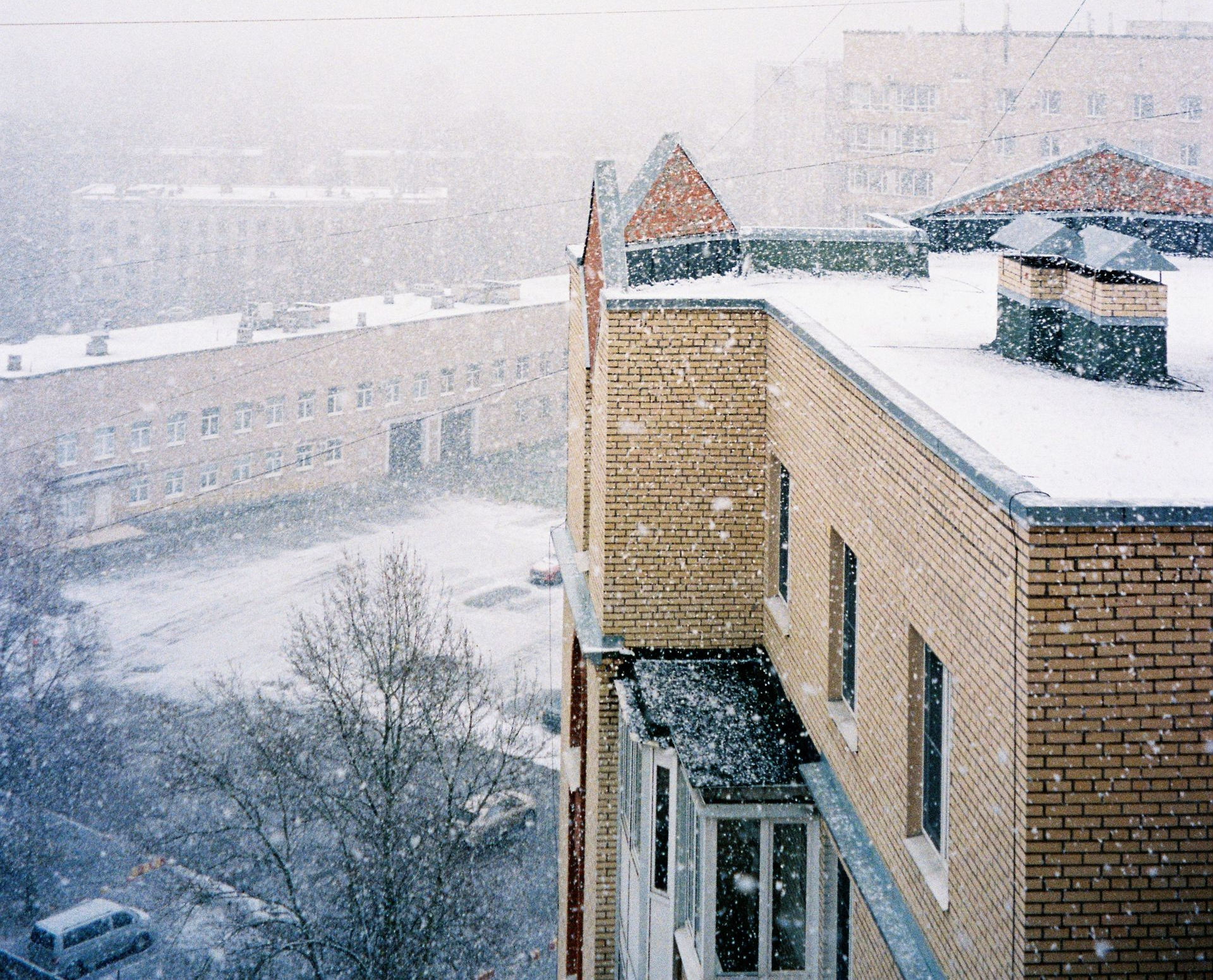
Quick answer: Preparing a flat roof for Connecticut winters means clearing debris from drains, inspecting the membrane for cracks, and scheduling professional flat roof maintenance before the first snowfall. Standing water and heavy snow loads are the two biggest threats to flat roofs in flat roofing East Hartford CT, and catching small issues early prevents costly leaks and structural damage down the road.
Key Takeaways
- Connecticut's freeze-thaw cycles and heavy snow make proactive flat roof maintenance essential before winter arrives.
- Clogged drains and poor slope are the leading causes of standing water damage on flat roofs.
- Carden Home Improvement recommends a professional inspection each fall to catch small problems before they become expensive repairs.
Flat roofs are a practical choice for many Connecticut homes and businesses, but they come with a unique set of challenges once temperatures drop. Unlike sloped roofs, flat roofs don't naturally shed snow and water as quickly, which means ice and moisture can linger on the surface for days or even weeks. Over time, that lingering moisture works its way into seams, flashing, and membrane materials, leading to leaks that are far more expensive to fix than they would have been to prevent.
If you own a property with a flat roof in East Hartford or the surrounding area, late fall is the ideal time to get ahead of winter weather. A little preparation now can save you from emergency repairs, interior water damage, and the headache of dealing with a roofing crisis in the middle of a snowstorm. Below, we'll walk through what causes the most damage to flat roofs in winter, how to prepare your roof before the snow flies, and when it's time to call in a professional.
Why Flat Roofs Struggle with Snow and Standing Water in Connecticut
Connecticut winters bring a mix of heavy snowfall, freezing rain, and rapid temperature swings. For flat roofs, this combination creates two major problems: weight and water.
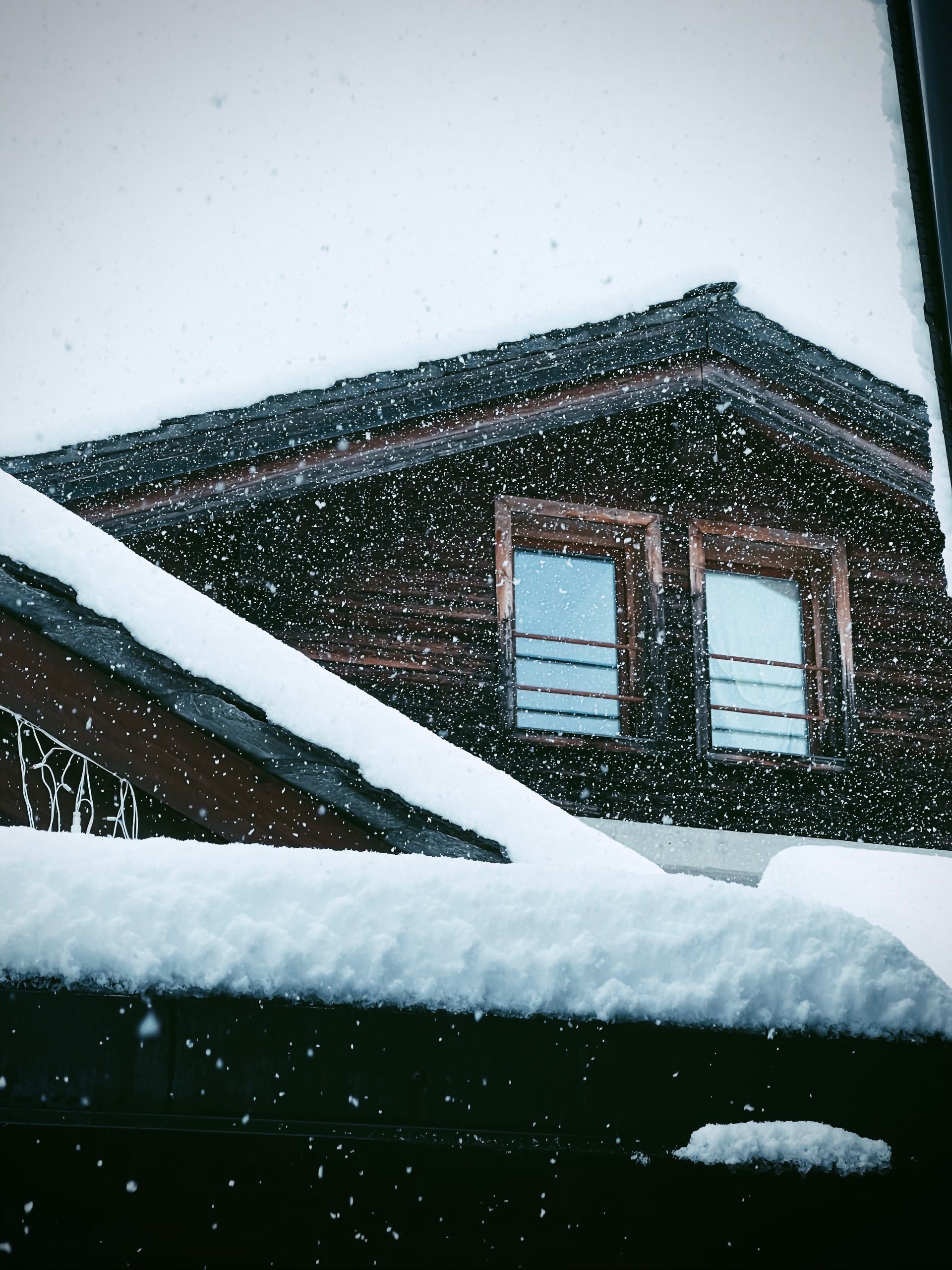
Snow load adds significant weight to a roof structure. A few inches of wet, heavy snow can weigh several pounds per square foot, and when snow accumulates faster than it melts, that weight builds up over the course of the season. Flat roofs that weren't properly maintained going into winter are more likely to show signs of stress, from sagging to visible cracking along seams.
Standing water is the other major culprit. Flat roofs rely on a slight slope and a functioning drainage system to move water off the surface. When drains clog with leaves, dirt, or debris, water has nowhere to go. It pools instead, and in freezing temperatures, that pooled water turns to ice. As the ice expands and contracts through repeated freeze-thaw cycles, it stresses the roofing membrane and can create or widen cracks that let moisture seep into the building below.
How to Prepare a Flat Roof for Winter
The good news is that most winter roofing damage is preventable with a bit of seasonal upkeep. Here's what effective flat roof maintenance looks like heading into a Connecticut winter.
Clear Debris from Drains and Gutters
Leaves, branches, and dirt accumulate on flat roofs throughout the fall, and if they're not cleared out, they'll block drains right when you need them most. Walk the roof (or hire a professional to do so) and clear any debris from drains, scuppers, and gutters. This single step dramatically reduces the risk of standing water.
Inspect the Membrane for Cracks and Blisters
Whether your roof uses EPDM, TPO, or modified bitumen, the membrane is your first line of defense against moisture. Look for cracks, blisters, or areas where the material has pulled away from flashing or edges. Small issues caught now are far easier and cheaper to repair than damage that's allowed to worsen under snow and ice all winter.
Check Flashing Around Vents, Chimneys, and Edges
Flashing is one of the most common failure points on a flat roof. Over time, caulking dries out and metal flashing can loosen, creating small gaps where water can enter. A quick inspection and resealing now can prevent leaks from forming once temperatures drop and ice starts to form around these vulnerable areas.
Confirm Proper Drainage Slope
Flat roofs aren't perfectly flat. They're built with a slight slope designed to direct water toward drains. Over the years, settling or improper installation can create low spots, sometimes called ""birdbaths,"" where water consistently pools. If you notice the same spot collecting water after every rain, it's worth having a professional evaluate whether additional drainage or tapered insulation is needed.
Schedule a Professional Inspection
Even with a careful DIY check, a trained eye can catch issues that are easy to miss from the ground or from photos. A professional inspection before winter gives you a clear picture of your roof's condition and lets you address any concerns while the weather still allows for repairs.
Choose Proactive Maintenance Over Emergency Repairs
Choose proactive flat roof maintenance if you want to avoid emergency repair costs and interior damage once snow and ice set in. Reactive repairs, made after a leak has already started, tend to cost more and often involve addressing water damage inside the building in addition to the roof itself. For property owners who want to minimize disruption and expense, a fall inspection and maintenance visit is the more cost-effective path.
When to Call a Professional for Flat Roofing in East Hartford, CT
Not every issue requires a professional, but some warning signs shouldn't wait. If you notice sagging areas, water stains on interior ceilings, persistent pooling that doesn't drain within 48 hours of a storm, or visible cracks in the membrane, it's time to call in an experienced roofing contractor. Carden Home Improvement works with property owners throughout East Hartford and the surrounding Connecticut area to inspect, maintain, and repair flat roofs before small problems turn into costly emergencies.
Get Ahead of Winter with a Flat Roof Inspection
Connecticut winters don't give flat roofs much room for error. Snow load and standing water can expose weaknesses in even a well-built roof, but a proactive maintenance routine goes a long way toward preventing damage. Clearing drains, inspecting the membrane, and checking flashing are all steps you can take now to protect your property through the coldest months of the year.
If you haven't had your flat roof inspected recently, don't wait for the first snowfall to find out it needs attention. Reach out to Carden Home Improvement to schedule a fall inspection and get your flat roof ready for whatever Connecticut winter brings.
Frequently Asked Questions
How often should a flat roof be inspected in Connecticut?
Flat roofs in Connecticut should be inspected at least twice a year, ideally in the fall before winter weather arrives and again in the spring after the snow has melted.
How much does flat roof maintenance typically cost?
Costs vary depending on the size of the roof and its condition, but routine maintenance is almost always less expensive than repairing water damage caused by a neglected roof.
Can standing water really damage a flat roof?
Yes. Standing water that freezes and thaws repeatedly puts stress on the roofing membrane, which can lead to cracks, leaks, and, eventually, interior water damage if left unaddressed.
Is flat roof maintenance something I can do myself?
Basic tasks like clearing debris from drains can be done by property owners, but inspecting the membrane, flashing, and overall structure is best left to a professional roofing contractor who can spot issues early.
Who should I contact for flat roofing services in East Hartford, CT?
Carden Home Improvement provides flat roof inspections, maintenance, and repair services for property owners throughout East Hartford and the surrounding Connecticut area.