How Connecticut Freeze-Thaw Cycles Affect Roofs

Quick answer: Connecticut's freeze-thaw cycles force moisture trapped in roofing materials to expand and contract repeatedly, which cracks shingles, loosens flashing, and creates ice dams. Regular roof maintenance catches these issues early, preventing leaks and costly structural damage before they escalate. Homeowners seeking reliable roofing Middletown CT services should schedule seasonal inspections before and after winter.
Key Takeaways
- Connecticut's freeze-thaw cycles cause water to expand inside roofing materials, leading to cracked shingles, lifted flashing, and ice dams.
- Ice dams form when heat escapes from the attic, melting snow that refreezes at the roof's edge and forces water under shingles.
- Scheduling roof maintenance in fall and spring helps catch freeze-thaw damage early, saving homeowners from expensive repairs down the road.
Connecticut winters put roofs through a brutal cycle. Temperatures swing from above freezing during the day to well below it at night, sometimes multiple times within a single week. This constant thaw-and-refreeze pattern is one of the most damaging forces a roof can face, and it's a leading cause of winter roofing emergencies across the state.
Unlike a single hard freeze, which causes predictable and limited stress, repeated freeze-thaw cycles compound damage over time. Water finds its way into even the smallest cracks or seams, then expands by roughly 9% as it turns to ice. That expansion pries materials apart millimeter by millimeter until a minor imperfection becomes a major leak.
For homeowners in Middletown and throughout central Connecticut, understanding this process is the first step toward protecting one of the most expensive parts of their home. Below, we break down exactly how freeze-thaw cycles damage roofs, what warning signs to watch for, and how proactive care from Carden Home Improvement can keep your roof performing through every season.
What Is a Freeze-Thaw Cycle and Why Does It Matter for Roofs?
A freeze-thaw cycle occurs when temperatures rise above freezing long enough for snow or ice to melt, then drop again so the resulting water refreezes. Connecticut typically experiences dozens of these cycles each winter due to its coastal location and variable weather patterns.
For roofs, the danger lies in water infiltration. Any moisture that seeps into a roofing material—whether through a hairline crack in a shingle, a gap in flashing, or saturated underlayment—becomes vulnerable the moment temperatures drop. As that water freezes, it expands, widening existing gaps. When temperatures rise again, the ice melts, and water seeps further into the structure before the cycle repeats.
Over a single winter, this process can turn a tiny, unnoticeable flaw into a full-blown leak. That's why roof maintenance scheduled before winter weather arrives is so important: it addresses small vulnerabilities before dozens of freeze-thaw cycles have a chance to exploit them.
How Do Ice Dams Form During Connecticut Winters?
Ice dams are one of the most visible and damaging effects of freeze-thaw cycles. They form when heat from inside the attic escapes through the roof, warming the upper sections enough to melt accumulated snow. That meltwater runs down toward the colder eaves, where it refreezes into a ridge of ice.
As this ice dam grows, it blocks additional meltwater from draining off the roof. Instead, that water pools behind the dam and can back up under shingles, seeping into the roof deck, attic insulation, and eventually interior ceilings and walls.
Poor attic insulation and ventilation are the main culprits behind ice dam formation. A well-ventilated attic keeps the roof surface at a more consistent temperature, reducing the uneven melting that creates dams in the first place. Homes in Middletown and surrounding areas, where older housing stock often has inconsistent insulation, are particularly prone to this issue.
What Physical Damage Do Freeze-Thaw Cycles Cause to Roofing Materials?
Freeze-thaw stress affects nearly every component of a roofing system:
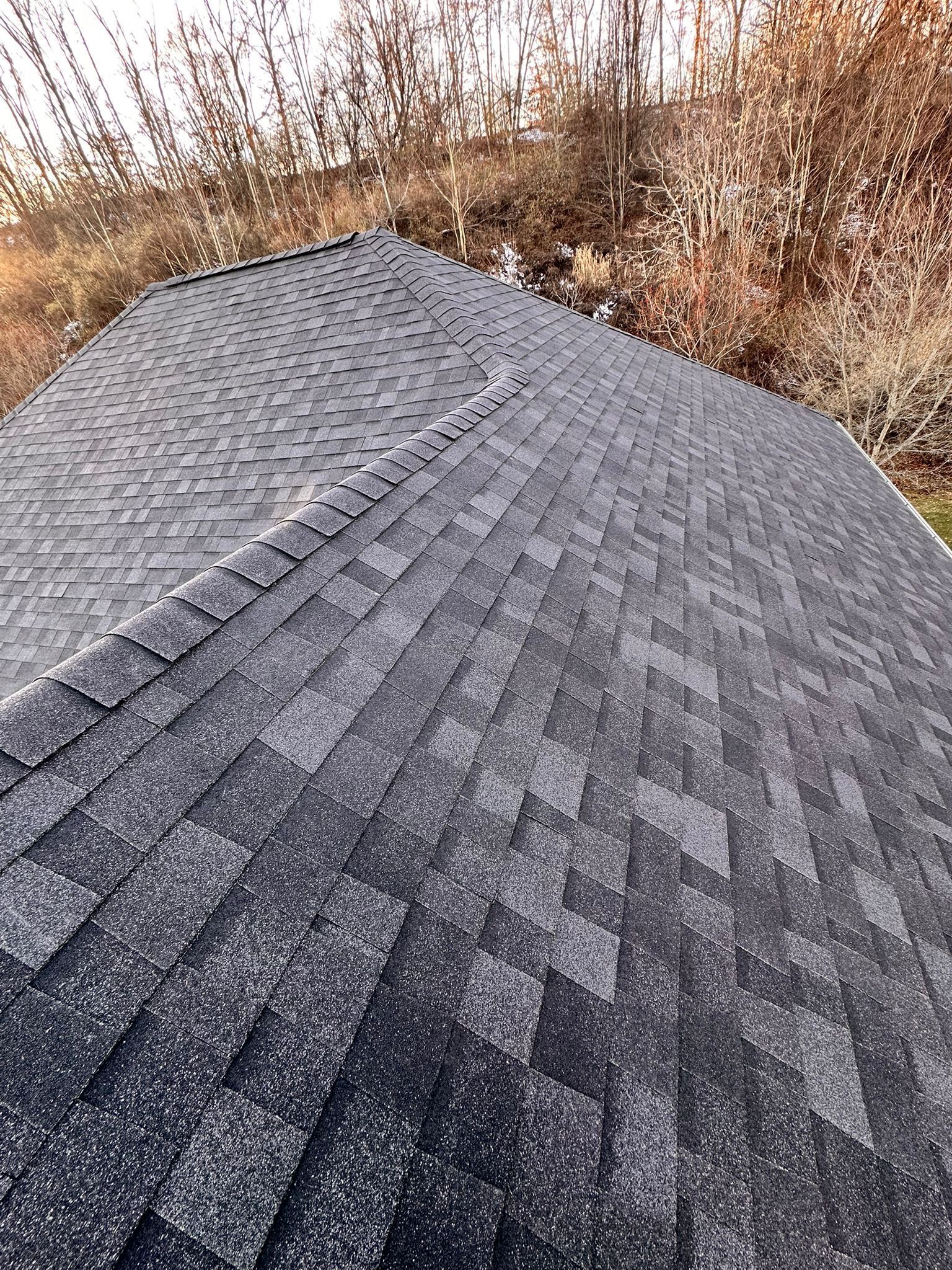
- Shingles: Asphalt shingles can become brittle in cold temperatures, making them more prone to cracking when ice expands beneath or within them. Repeated cycles accelerate granule loss, which shortens the shingle's protective lifespan.
- Flashing: Metal flashing around chimneys, vents, and skylights can loosen as the materials around it expand and contract at different rates. Once flashing lifts even slightly, it creates a direct pathway for water intrusion.
- Underlayment and decking: If water reaches the underlayment or wood decking beneath shingles, repeated freezing can cause rot, warping, and structural weakening over time.
- Gutters and downspouts: Ice buildup adds significant weight to gutters, which can pull them away from the fascia board or cause them to crack entirely, disrupting proper water drainage.
Each of these issues might start small, but freeze-thaw cycles rarely stay isolated. Left unaddressed, they compound into larger structural concerns that are far more expensive to repair than routine upkeep.
Why Does Proactive Roof Maintenance Matter More in Connecticut?
Connecticut's climate makes proactive roof maintenance especially valuable compared to regions with more stable winter temperatures. Because freeze-thaw cycles here happen frequently rather than as a single prolonged freeze, roofs face continuous, repeated stress throughout the colder months.
A thorough fall inspection can identify loose shingles, deteriorating flashing, or inadequate attic ventilation before winter weather sets in. Addressing these issues ahead of time significantly reduces the risk of ice dams and water intrusion. Similarly, a spring inspection after the freeze-thaw season ends allows for early detection of any damage that did occur, so repairs happen before the next rainy season adds further strain.
Choose professional roofing Middletown CT inspections if you want a trained eye assessing areas that are difficult to evaluate from the ground, such as flashing seals, ridge vents, and attic insulation levels. These components are often where freeze-thaw damage originates, but they're easy to overlook during a casual visual check from the driveway.
How Carden Home Improvement Helps Protect Your Roof Through Every Season
Carden Home Improvement specializes in helping Middletown-area homeowners prepare their roofs for Connecticut's demanding winter weather. Our inspections focus on the specific vulnerabilities freeze-thaw cycles create, from attic ventilation assessments to flashing repairs and ice dam prevention strategies.
Rather than waiting for a leak to appear inside your home, scheduling routine roof maintenance allows our team to catch small problems while they're still inexpensive and straightforward to fix. We evaluate shingle condition, check for proper attic insulation, and inspect flashing and gutters for signs of stress before they become costly emergencies.
If it's been more than a year since your last roof inspection, now is a good time to schedule one. A proactive approach today can prevent a disruptive, expensive repair after the next freeze-thaw season takes its toll.
Protect Your Roof Before the Next Freeze-Thaw Cycle Hits
Connecticut's unpredictable winter temperatures aren't going away, but the damage they cause to your roof doesn't have to be inevitable. Understanding how freeze-thaw cycles create ice dams, crack shingles, and loosen flashing puts you in a stronger position to protect your home before small issues become major repairs.
Contact Carden Home Improvement today to schedule a seasonal roof inspection and keep your home protected through every freeze-thaw cycle Connecticut throws its way.
Frequently Asked Questions
How often should I schedule roof maintenance in Connecticut?
Most Connecticut homeowners benefit from two inspections per year: one in the fall before winter weather arrives, and one in the spring after freeze-thaw season ends. This schedule catches both preventable risks and any damage that already occurred.
What are the warning signs of freeze-thaw roof damage?
Watch for icicles forming along the roofline, visible ice dams at the eaves, water stains on interior ceilings, missing or cracked shingles, and granules collecting in gutters. Any of these signs warrant a professional inspection.
Can I prevent ice dams without replacing my whole roof?
Yes. In most cases, improving attic insulation and ventilation resolves the uneven heat loss that causes ice dams, without requiring a full roof replacement. A professional assessment can determine the right fix for your home.
How much does roof maintenance typically cost compared to storm damage repair?
Routine maintenance and inspections generally cost a fraction of emergency repairs caused by water intrusion or structural damage. Addressing small issues proactively is almost always more affordable than reactive repairs after a leak develops.
Is Carden Home Improvement experienced with older Middletown homes?
Yes. Carden Home Improvement regularly works with the varied housing stock found throughout Middletown and central Connecticut, including older homes that often have inconsistent attic insulation and ventilation.