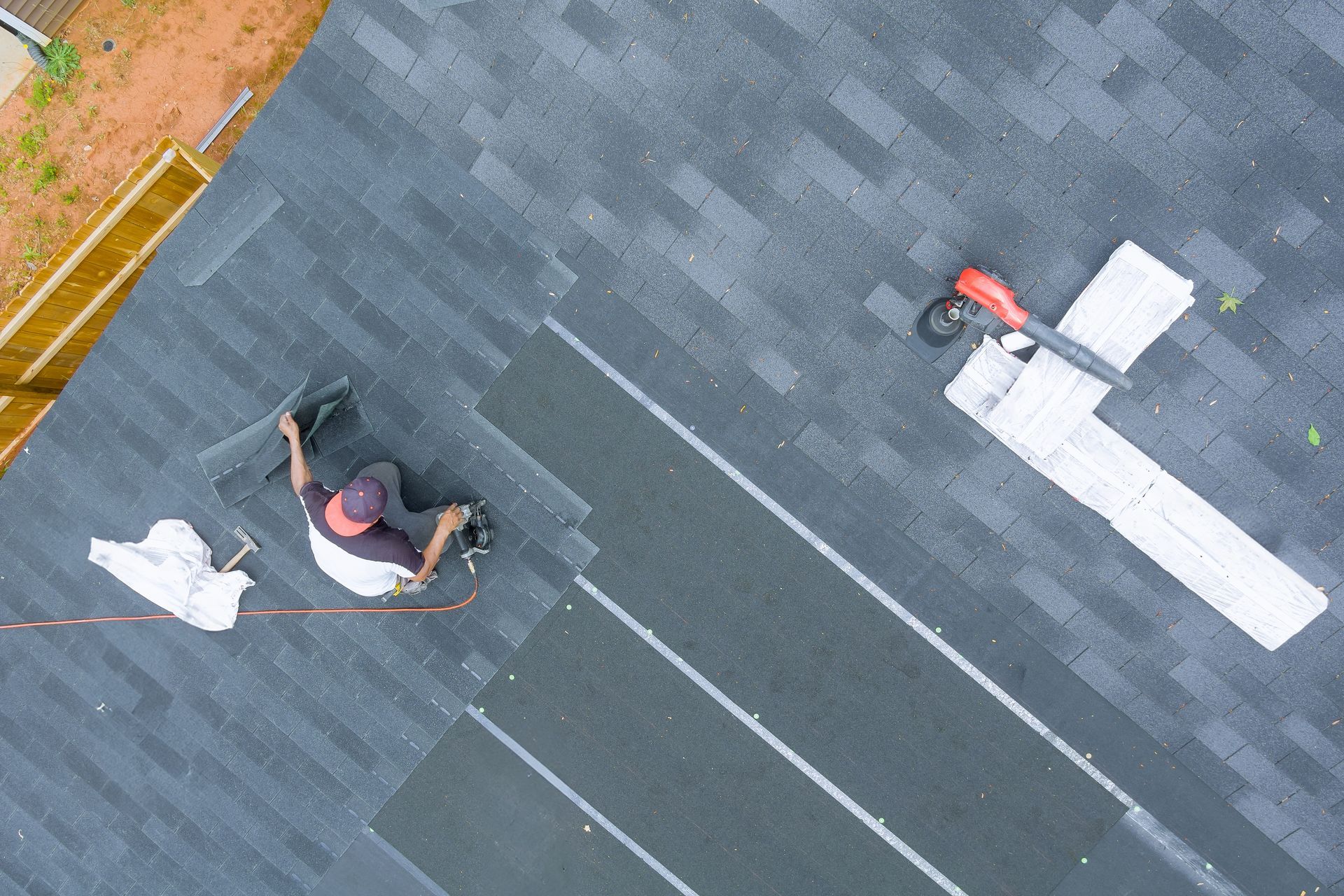
What to Expect from an Emergency Roof Repair Service Near You

When a storm hits and you find yourself googling "emergency roof repair near me," you don't have time to guess what happens next. At Carden Home Improvement, our team has more than a decade of experience in roofing and home improvement across Connecticut. We specialize in 24/7 emergency roof repair, storm damage roof repair, and full roof replacements, and we're certified Tamko contractors who can offer strong manufacturer-backed warranties. Because we work on real homes in real CT weather every day, we know what homeowners actually go through during a roof emergency, and what they should expect from a trusted roofing company. Below, we'll walk you through what counts as an emergency, what to do right away, how the repair visit works, and how to protect your home in the future.
Understanding Roofing Emergencies
What Qualifies as a Roofing Emergency?
A roofing emergency is any problem that lets water into your home or puts your safety at risk. Examples include:
- Active roof leaks during rain or snow
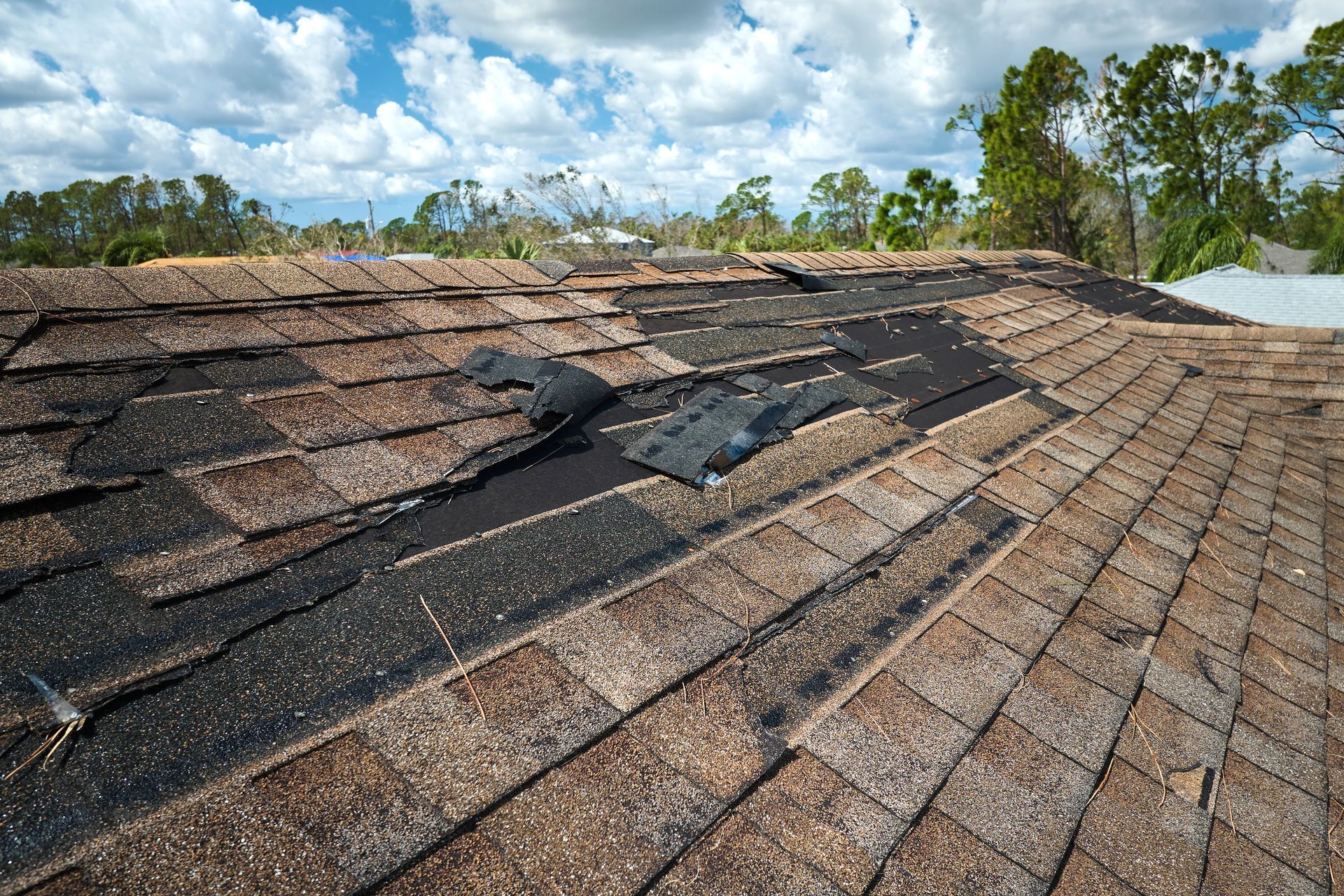
- Missing shingles or roof sections after a storm
- Tree limbs or debris that punch holes in the roof
- Damage so severe that parts of the roof sag or look unstable
If water is entering your house, your ceiling is bulging, or you can see daylight through your roof, you're dealing with urgent roof repair, not a small maintenance issue. In these situations, waiting can lead to ruined insulation, damaged drywall, mold, or even structural problems.
Common Causes of Emergency Roof Damage
Most residential roof damage we see in Connecticut comes from:
- Strong wind that rips off shingles or flashing
- Hail that cracks shingles and causes hidden leaks
- Heavy snow and ice dams that force water under shingles
- Fallen trees or branches during storms
- Long-term wear that finally gives out during bad weather
These issues often lead to a roof leak emergency, where water finds the weakest spot and comes straight into your living space. That's when storm damage roof repair and fast response matter most.
First Steps After Discovering Roof Damage
Ensuring Safety Before Inspection
Your safety comes first. Before you do anything else:
- Keep people and pets away from the damaged area.
- Stay out of any room where the ceiling is sagging or bowing.
- Turn off electricity to any area where water is coming near lights or outlets.
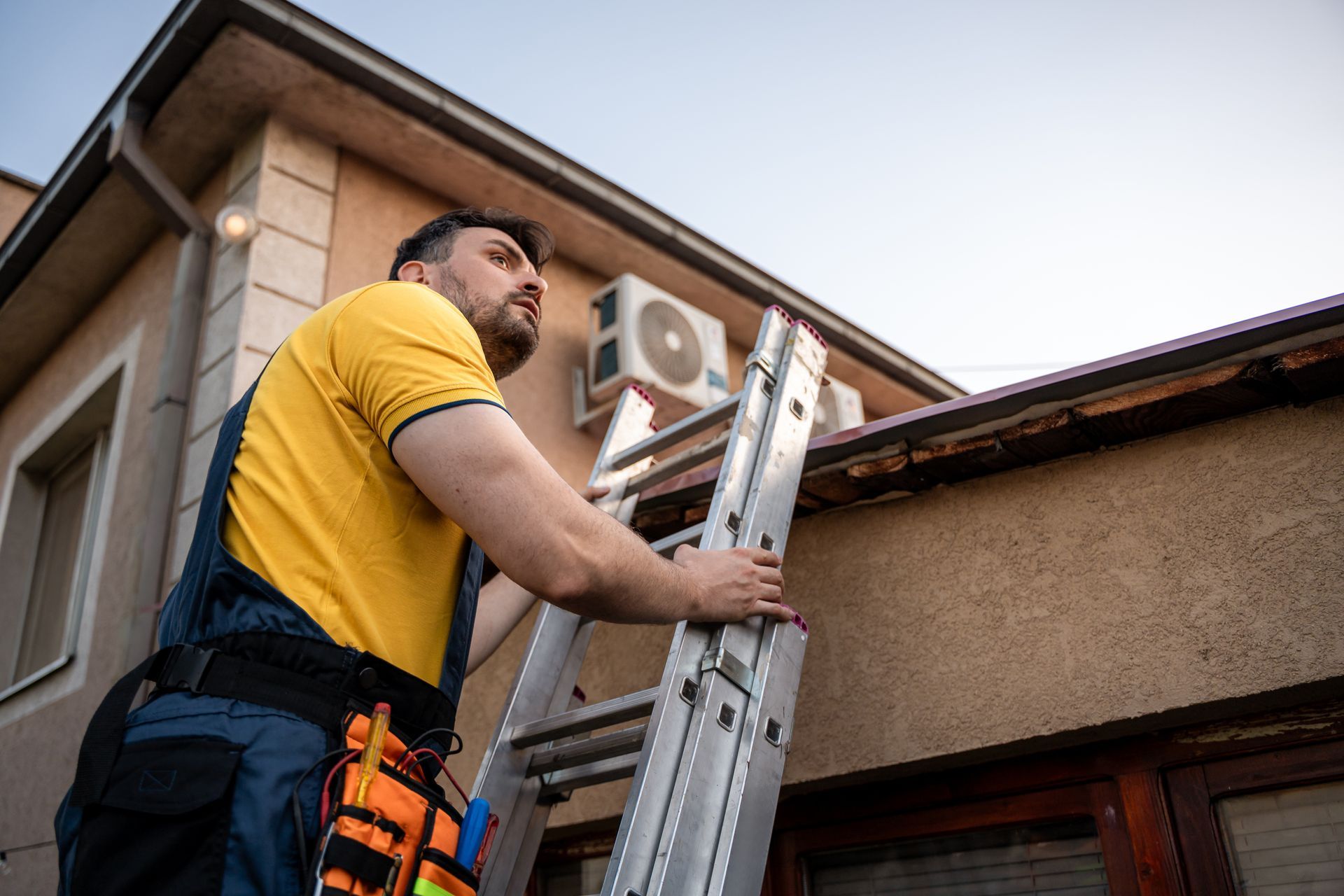
Do not climb onto the roof yourself. Wet shingles, wind, and loose debris make the roof extremely dangerous, especially at night or during a storm.
Temporary Measures You Can Take
There are a few safe, simple steps you can take inside your home while you wait for immediate roof repair:
- Place buckets or containers under active drips.
- Move furniture, rugs, and electronics away from leaks.
- Lay down plastic or towels to protect floors.
- If a ceiling is bulging with water, you can carefully poke a small hole in the lowest point with a screwdriver and let the water drain into a bucket, this can reduce the risk of the ceiling collapsing.
Outside, leave the temporary roof tarp and emergency tarping to the professionals. They have fall protection, ladders, and gear to work safely.
When to Call a Professional Roofing Service
Call a professional as soon as you notice damage that could let in water, even if the leak seems small. A "minor" leak can spread and soak insulation, framing, and wiring.
Look for a local company that offers:
- 24/7 roof repair or true after-hours service
- Fast response times for emergency roofing services
- Experience with insurance claims and storm damage
The sooner you call, the easier it usually is to control the damage and keep repair costs down.
What Happens During an Emergency Roof Repair Visit
Initial Assessment and Damage Inspection
When the roofing crew arrives, they'll start with a quick but careful assessment. They will:
- Ask what you've seen and when the problem started
- Inspect the outside of the roof for missing shingles, holes, or damage from wind or debris
- Check the attic or upper floors for signs of water entry and leaking roof fix needs
The goal is to find the source of the leak and any other related wind damage roof or hail damage repair issues.
Tarping and Temporary Fixes
In many emergencies, the first step is to stop the water, not to complete a full repair on the spot. The crew may:
- Install a heavy-duty tarp over the damaged area
- Secure loose shingles or flashing
- Clear branches or debris off the roof
- Seal obvious gaps to slow or stop leaks
These temporary steps protect your home from further residential roof damage until permanent repairs can be scheduled under safer, drier conditions.
Planning for Permanent Repairs
Once the roof is stable, your roofer will:
- Explain what caused the damage
- Outline the options for permanent repair or replacement
- Discuss materials, timelines, and next steps
This is also when you can ask about warranties, maintenance, and how to reduce the chance of another roof leak emergency in the future.
How to Choose the Right Emergency Roof Repair Company
What to Look for in a 24/7 Roofing Contractor
Not all roofers are set up for emergencies. When you're choosing a contractor, look for:
- Actual 24/7 emergency roof repair or after-hours support
- Fast, clear communication by phone or text
- Experience with storm, wind, and tree damage to roof systems
- A local office or strong presence in your area
A good contractor will give you straightforward information, not scare tactics, and will focus first on protecting your home.
Licensing, Insurance, and Warranties
For your protection, make sure your roofer:
- Is properly licensed in Connecticut
- Carries liability and workers' compensation insurance
- Can provide proof of insurance on request
- Offers clear warranties on both materials and labor
Manufacturing partnerships (such as being certified by a shingle brand) are also a good sign of training and quality, especially for bigger storm damage roof repair jobs.
Preparing for the Repair Process
Working with Your Insurance Company
If the damage came from a covered event like wind, hail, or a fallen tree, you may be able to file a roof insurance claim. Helpful steps include:
- Taking photos and videos of all visible damage, inside and out
- Saving receipts for any emergency work or temporary housing
- Asking your roofer to provide a detailed estimate and notes
Most reputable roofers will meet with your adjuster, explain the emergency roofing services that were needed, and help you document everything clearly.
Understanding Emergency Roofing Costs
Emergency work can cost more than scheduled repairs because it may involve:
- After-hours or weekend labor
- Extra safety measures in bad weather
- Temporary materials like tarps and fasteners
However, fast emergency roof leak repair often saves money in the long run by preventing bigger problems like mold, ruined drywall, or structural rot. A trustworthy contractor will explain your options and give you a written estimate before starting major work.
Preventing Future Roofing Emergencies
Regular Maintenance and Roof Inspections
The best way to avoid surprise emergencies is to have your roof checked regularly. A simple inspection can catch:
- Loose or missing shingles
- Cracked or worn flashing
- Early signs of leaks in the attic
- Clogged gutters that force water back under the roof
Routine maintenance helps turn "future emergencies" into small repairs that are easier and cheaper to handle.
Reinforcing Vulnerable Roofing Areas
Certain parts of the roof are more likely to fail in storms, such as valleys, edges, and areas around chimneys or skylights. Your roofer can:
- Upgrade flashing in these spots
- Improve ventilation to fight ice dams
- Replace weak sections before they leak
These steps, combined with healthy gutters and trees trimmed away from the house, make after-hours roofing service less likely to be needed.
If you're dealing with active leaks, storm damage, or think you might need emergency roof repair near me, don't wait for the problem to get worse. Reach out to a trusted local roofing professional who offers 24/7 emergency roof repair, clear communication, and solid warranties. A quick call and a timely inspection can protect your home, your belongings, and your peace of mind, today and in the storms to come.
Frequently Asked Questions
How quickly can I expect an emergency roofer to arrive after I call?
Response times vary by company and weather conditions, but a true 24/7 emergency roofing service should be able to dispatch a crew within a few hours, even during nights and weekends. During major storms when multiple homes are affected, wait times may be longer. When you call, ask for an estimated arrival time and whether they can provide immediate guidance on protecting your home while you wait.
Will my homeowners insurance cover emergency roof repairs?
Most homeowners policies cover sudden, accidental damage from covered perils like wind, hail, falling trees, or storm damage. However, damage from long-term neglect or normal wear and tear typically isn't covered. Emergency tarping and temporary repairs are often covered as part of preventing further damage. Always document everything with photos, save all receipts, and contact your insurance company as soon as possible after discovering damage.
Can I wait until morning to call if my roof is leaking at night?
If water is actively coming into your home, don't wait. Even a few hours of water intrusion can cause significant damage to insulation, drywall, electrical systems, and structural framing. Mold can begin growing within 24-48 hours in wet conditions. Call an emergency roofer immediately and take safe temporary measures like placing buckets under leaks and moving valuables away from water.
How much does emergency roof repair typically cost compared to regular repairs?
Emergency repairs often cost 25-50% more than scheduled work due to after-hours labor, urgent response times, and working in challenging weather conditions. However, calling for emergency service when you need it almost always saves money in the long run by preventing secondary damage like mold remediation, ceiling replacement, and structural repairs that can cost thousands more than the roof repair itself.
Should I get multiple quotes before hiring an emergency roofer?
When water is actively entering your home, your priority should be stopping the damage, not shopping around. Choose a licensed, insured contractor with good reviews and clear communication who can respond immediately. Once temporary repairs are in place and the emergency is stabilized, you can get multiple estimates for the permanent repair work. Most reputable contractors will provide a detailed assessment and quote before beginning major repairs.