Siding and Gutter Replacement in CT: What Homeowners Need to Know

If you're searching for siding and gutter replacement CT, you probably already see peeling boards, rotted trim, or gutters spilling over in every storm. At Carden Home Improvement, our team has over a decade of hands-on experience working on roofing, siding, gutters, windows, and doors across Connecticut homes. We're licensed, use trusted materials, and focus on full exterior home renovation, so we see every day how worn siding and damaged gutters lead to leaks, mold, and expensive repairs later.
Here's the short version of what you need to know:
- If your siding is cracked, warped, rotting, or growing mold, it's probably time for siding replacement in CT.
- If your gutters sag, leak at the seams, or overflow even when they're clean, you're likely due for new gutters or gutter repair services.
- Modern, energy-efficient siding and a properly sized gutter system can lower energy bills, protect your foundation, and boost curb appeal.
- A good contractor will inspect your home, explain options in plain language, and give you a clear plan and timeline before work begins.
The rest of this guide breaks all of that down so you know exactly what to expect.
Why Siding and Gutters Matter for Your Connecticut Home
The Role of Siding in Energy Efficiency and Protection
Siding is more than a "skin" for your house. It:
- Protects your walls from rain, snow, and wind
- Helps keep indoor temperatures stable
- Guards the structure from pests and rot
In Connecticut, we deal with hot summers, cold winters, and wild temperature swings in between. Old or damaged siding lets drafts and moisture in. That can lead to:
- Higher heating and cooling bills
- Cold or hot spots in rooms
- Paint bubbling or drywall stains inside
Modern vinyl siding replacement or other upgraded materials can add better insulation and create a tighter seal around your home. Combined with proper house wrap and flashing, new siding becomes a key part of an energy-efficient siding system that fights moisture and drafts.
How Gutters Protect Your Home from Water Damage
Gutters may look simple, but they do an important job. They:
- Catch water running off the roof
- Direct it away from your foundation
- Protect siding, windows, and doors from constant water flow
When gutters clog, sag, or pull away from the house, water spills over the edges. That can cause:
- Rot along fascia and soffits
- Staining and damage on siding
- Wet basements or foundation cracks
- Ice buildup in winter
A proper gutter installation in CT is sized for local rainfall and your roof design. Together, strong siding and well-designed gutters become a complete water drainage solution that keeps your home dry from top to bottom.
Signs It's Time to Replace Your Siding and Gutters
Visible Cracks, Warping, or Holes in Siding
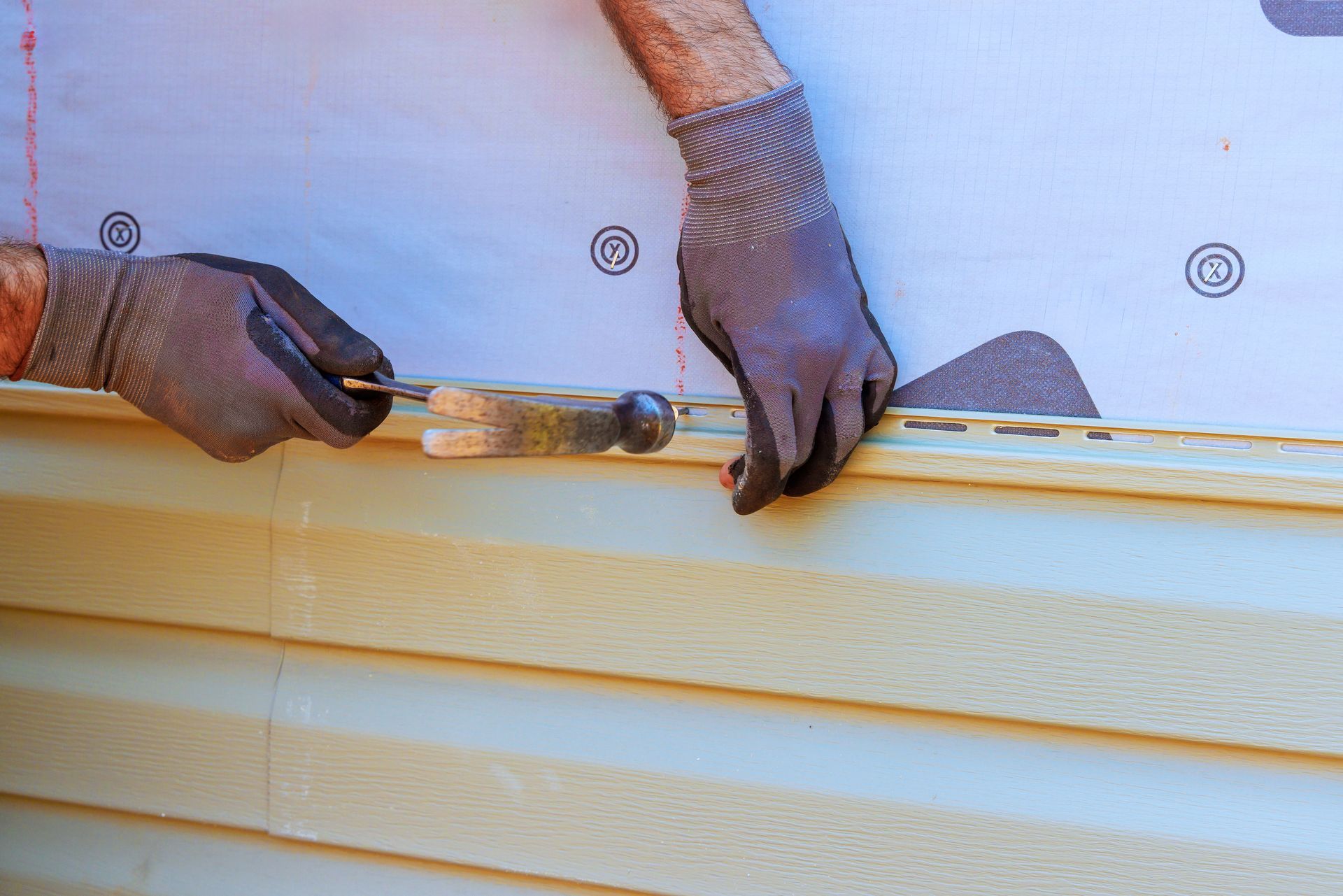
Walk around your home and look closely at your exterior walls. You may need new siding installation if you see:
- Cracked or broken boards or panels
- Warped or buckling sections that don't sit flat
- Holes from insects, birds, or bumps from yard tools
Cracks and gaps allow water behind the siding. Over time, this leads to hidden rot and storm damage restoration work that costs more than planned siding replacement.
Peeling Paint or Mold Growth
If your siding is wood or older material that needs paint, pay attention to the finish:
- Paint that peels or flakes soon after repainting
- Dark streaks, green algae, or mold growth
- Soft spots when you press on the siding
These are signs that moisture is trapped and the siding is breaking down. Even some vinyl siding repair situations start when water sneaks behind the panels and sits in the wall.
Sagging, Leaking, or Detached Gutters
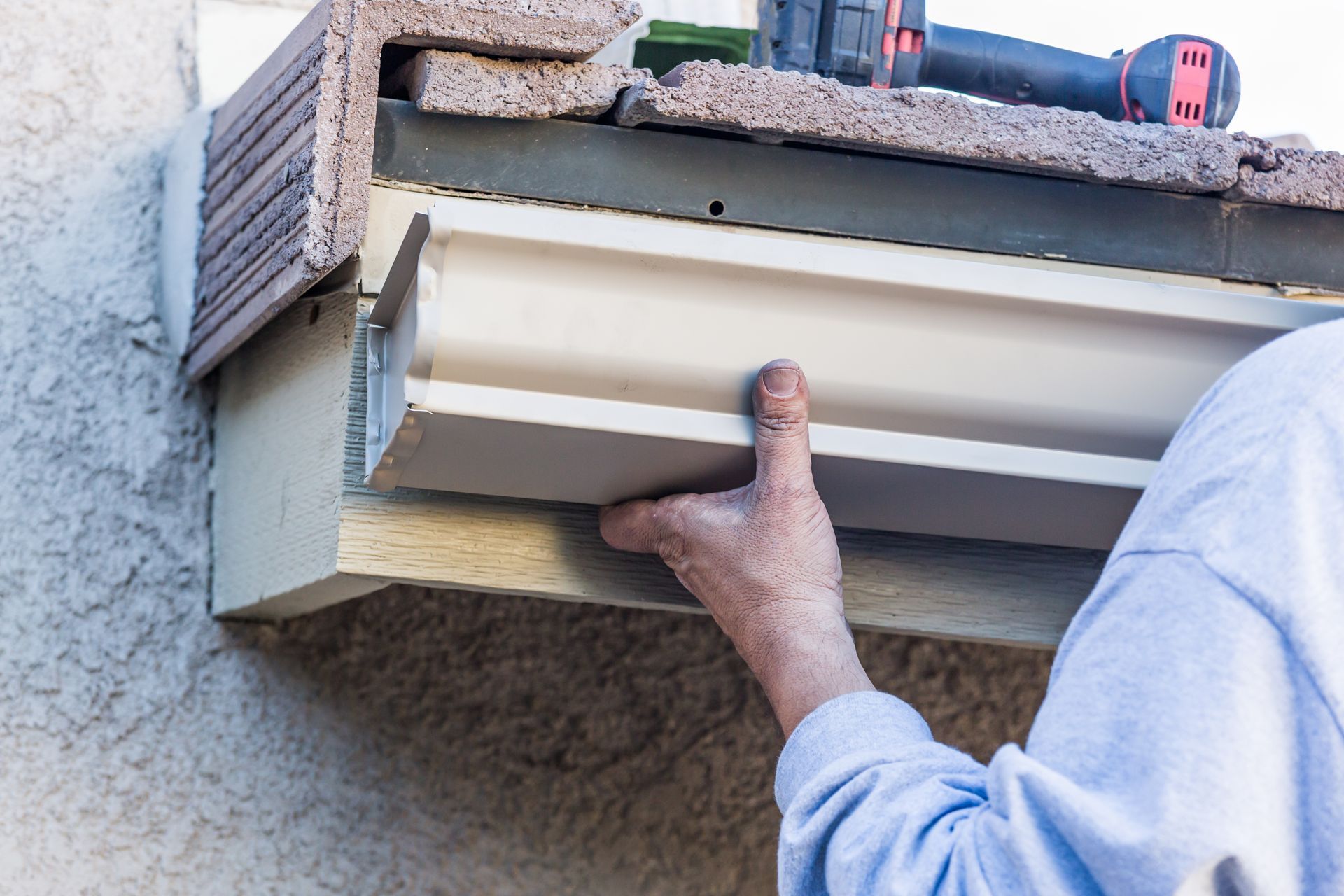
Now check your gutters. Common signs of damaged gutters include:
- Sections that sag or pull away from the roofline
- Gaps at the joints where water leaks through
- Rust, holes, or seams that drip during rain
- Water running over the front edge even when the gutters are clean
Any of these problems mean water is not being carried away like it should. It might be time for gutter repair CT services or a full gutter replacement.
Increased Energy Bills or Interior Moisture Issues
Sometimes the warning signs show up inside:
- Higher energy bills even though your usage hasn't changed
- Drafts near outside walls or windows
- Musty smells, damp spots, or paint bubbles on ceilings or upper walls
These issues can point to siding and gutter problems that are allowing water and air into your home's shell. If you see these along with outside wear, it's worth calling a siding contractor CT homeowners trust for an inspection.
Choosing the Right Materials for CT Weather
Popular Siding Options for Connecticut Homes
Your siding has to stand up to snow, rain, wind, and the freeze-thaw cycle. Popular choices for siding replacement CT include:
- Vinyl siding – Affordable, low-maintenance, and available in many colors and styles. Good for most neighborhoods and pairs well with many trim options.
- Fiber cement siding – Strong, fire-resistant, and excellent against rot and insects. It can mimic wood, shingles, or smooth panels.
- Engineered wood siding – Gives a real-wood look with added strength and moisture protection compared to natural wood.
A skilled Connecticut siding contractor can help you compare costs, appearance, and maintenance for each option so you choose what fits your home and budget.
Gutter Materials That Handle Harsh Winters
For gutters, you want a system that can carry snowmelt and heavy rain without bending or pulling away.
Common choices for gutter installation CT include:
- Aluminum gutters – Lightweight, affordable, and rust-resistant. These are very common and work well for most homes.
- Seamless aluminum gutters – Custom-cut on site so there are fewer joints to leak. Great for long runs on larger homes.
- Steel gutters – Stronger and good for areas with heavy snow loads, though they can rust over time if not protected.
Downspouts, fascia and soffit replacement, and leaf guards all work together with your gutters to keep water where it belongs, away from your home.
What to Expect During a Replacement Project
Inspection and Project Assessment
Every good project starts with a careful look at your home. During an inspection, the contractor will:
- Check the siding, trim, gutters, and roofline
- Look for signs of water damage, soft spots, or rot
- Measure all walls and roof edges
- Talk with you about what you like and don't like about your current exterior
From there, they'll put together a plan for exterior home renovation that may include vinyl siding replacement, gutter upgrades, or trim and soffit work.
Timeline for Completion
The timeline depends on the size of your home and how much work is needed, but a typical siding and gutter replacement CT project might follow this pattern:
- Planning and selections: A few days to a couple of weeks, depending on
how long it takes to choose materials and colors.
- Delivery and setup: Materials arrive, and crews set up ladders and protection around your home.
- Removal and repairs: Old siding and gutters are removed. Any damaged sheathing or framing is repaired.
- Installation: New siding, trim, and gutters are installed and sealed.
Your contractor should give you a realistic schedule and update you if weather or hidden issues change that schedule.
What to Prepare for During Installation
To make the project go smoothly, you can:
- Move outdoor furniture, grills, and decorations away from walls
- Trim plants and shrubs that block access to siding
- Keep pets and kids away from work areas
- Take pictures or remove delicate items from walls inside, since hammering can sometimes rattle them
Good crews will use tarps and magnetic rollers to catch nails and debris, and they'll keep your property as clean as possible during the job.
How to Select a Trusted Local Contractor
Questions to Ask Before Hiring
Choosing the right team matters as much as choosing the right materials. When you talk to Connecticut siding contractors, ask:
- How long have you been working in this area?
- Do you handle both siding replacement and gutter repair services?
- Can I see photos or addresses of similar projects you've done?
- Who will be on site each day, and who is my main point of contact?
- What happens if you find hidden damage once the old siding comes off?
Clear, honest answers are a good sign that the contractor respects you and your home.
Importance of Licensing, Insurance, and Experience
Before you sign anything, confirm that your contractor:
- Holds the proper CT home improvement license
- Has liability and workers' compensation insurance
- Provides written estimates, contracts, and warranties
- Has experience with storm damage restoration and local building codes
An experienced, insured contractor helps protect you from legal and financial headaches if something goes wrong on the job.
Long-Term Benefits of Siding and Gutter Replacement
Improved Curb Appeal
Fresh siding and new gutters can completely change how your home looks. Benefits include:
- Cleaner, more modern style
- Consistent color and trim details
- A more welcoming first impression for guests or buyers
Even simple curb appeal upgrades like updated trim color and new downspouts can make your home stand out on the street.
Reduced Maintenance Costs
Old siding and gutters often need constant patching, painting, and cleaning. With modern materials and proper installation:
- You'll spend less time scraping, painting, or caulking
- You'll have fewer surprise leaks and repairs
- Your exterior will be easier to wash and maintain
This means your investment pays you back in time and money saved over the years.
Increased Property Value
Buyers pay close attention to the outside of a home. Quality siding replacement CT and a solid gutter system can:
- Boost your home's resale value
- Make inspections go more smoothly
- Give buyers confidence that the home has been cared for
Plus, energy savings from better siding and insulation can make your home more attractive to families watching long-term costs.
If you're noticing cracked siding, peeling paint, or damaged gutters that overflow in every storm, it may be time to talk with a local expert about siding and gutter replacement in CT. A quick, professional inspection can show you what's urgent, what can wait, and which options fit your budget.
Reach out to a trusted Connecticut siding contractor who understands our weather, offers clear explanations, and treats your home like their own. With the right plan, you can protect your home, improve its look, and enjoy the peace of mind that comes with a dry, solid exterior for years to come.
Frequently Asked Questions
How do I know if I need to replace my siding or if repair is enough?
If damage is limited to a few isolated panels or boards and the rest of your siding is in good condition, repair might be sufficient. However, if you're seeing widespread issues like multiple cracked panels, warping across several walls, persistent mold growth, or if your siding is over 20-30 years old, replacement is usually the better long-term investment. A professional inspection can assess the extent of damage behind visible problem areas and help you make an informed decision.
Can I replace just my gutters without replacing the siding, or vice versa?
Yes, these are independent projects and don't need to be done together. However, many homeowners choose to coordinate both because the work requires similar access (scaffolding or ladders along the entire house), and dealing with both at once can be more cost-effective than paying for two separate mobilizations. Additionally, if your siding is damaged from years of gutter overflow, addressing both together makes sense to fully solve the water management problem.
How long does siding and gutter replacement typically last in Connecticut weather?
Quality vinyl siding typically lasts 20-30 years in CT's climate, while fiber cement can last 30-50 years with minimal maintenance. Aluminum gutters generally last 20-25 years, and steel gutters can last even longer if properly maintained. Connecticut's freeze-thaw cycles, heavy snow, and storm activity can reduce these lifespans if materials are poorly installed or if maintenance is neglected, which is why choosing experienced contractors and quality materials matters.
Will new siding and gutters really lower my energy bills?
Yes, but the impact depends on your current siding condition and the quality of installation. If your old siding has gaps, cracks, or no house wrap behind it, new energy-efficient siding with proper insulation can reduce heating and cooling costs by 10-25%. The biggest energy gains come from better air sealing and modern insulated siding products. While gutters don't directly impact energy efficiency, they prevent moisture problems that can damage insulation and reduce its effectiveness.
Do I need to be home during the siding and gutter installation?
You don't need to be home for the entire project, but you should be available for the initial walkthrough, any mid-project decisions if unexpected issues arise, and the final inspection. Most of the work happens outside, so your daily routine won't be heavily disrupted. However, there will be noise from hammering and cutting, and you'll want to keep windows closed to prevent dust. Discuss the schedule with your contractor so you know which days require your presence.