Ice Dam Prevention for CT Homes: What Works

If you're searching for ice dam prevention CT, here's the most helpful answer upfront: the best fix is almost always inside the house, not on the roof. Ice dams happen when heat escapes into the attic, melts rooftop snow, and that water refreezes at the cold roof edge. In Connecticut, that freeze–thaw cycle is common all winter. Our team at Carden Home Improvement works on roofs year-round in CT, and we're licensed (CT HIC#0699243). We also respond 24/7 when winter leaks show up. That experience shapes the practical steps below, simple, proven, and focused on stopping ice damming at the source.
What works best for most CT homes:
- Attic insulation + air sealing (reduces attic heat loss)
- Balanced roof ventilation (keeps roof temps more even)
- Smart winter maintenance (safe snow management, clean gutters)
- Heat cables only in specific situations (not a cure-all)
What Are Ice Dams and Why They Form
Understanding Ice Damming on Roofs
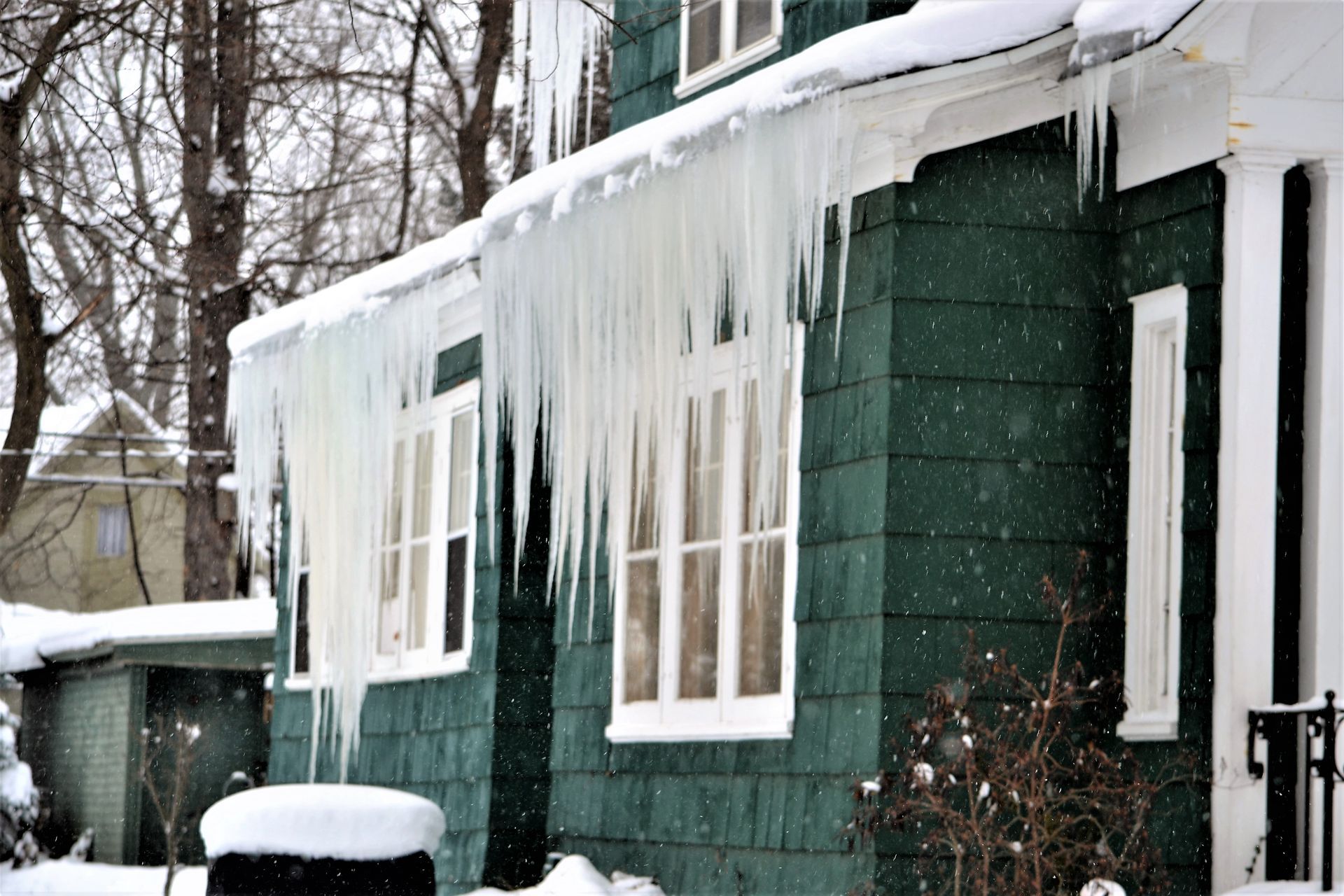
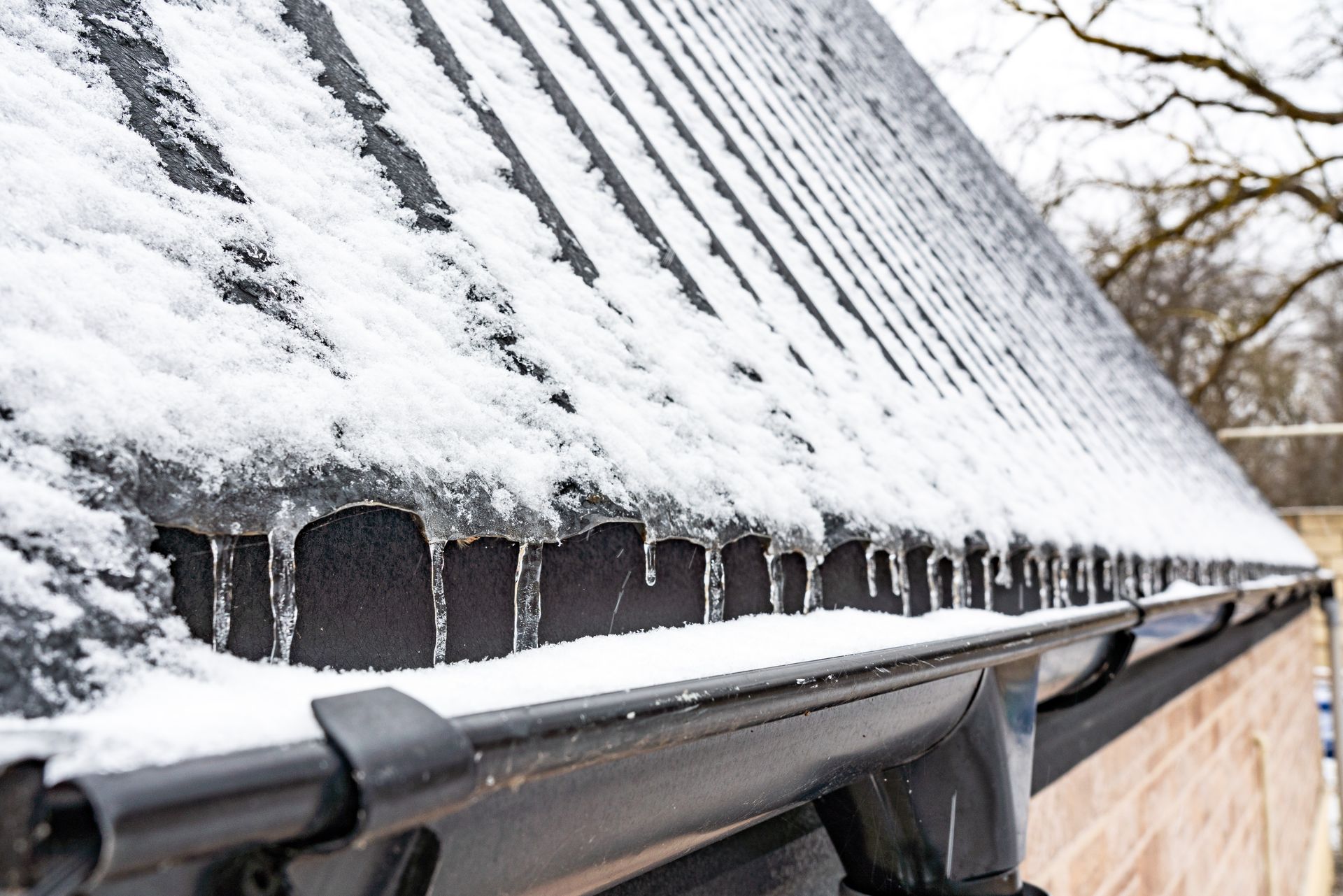
An ice dam is a ridge of ice that forms along the roof edge ice area (the eaves). Here's the basic chain reaction:
Warm air in your home rises → heat leaks into the attic → the upper roof warms slightly → snow accumulation on roof melts → meltwater runs down toward the colder eaves → it refreezes → the ice ridge grows.
Once that ice ridge forms, new meltwater has nowhere to go. It can back up under shingles and cause a roof leak. That's why ice dams often show up as water stains on ceilings, wet insulation, or dripping near exterior walls.
You might also hear people describe it as roof ice buildup. Same problem, water freezes where it shouldn't, then forces water under the roof covering.
Key Causes of Ice Dams in Connecticut Homes
Connecticut homes tend to get ice dams for a few common reasons:
Attic heat loss
- Warm air escaping through the ceiling warms the roof deck. Even a few degrees matter.
Poor attic insulation
- Not enough insulation means heat passes through easily. This is why attic insulation for ice dam prevention is one of the top solutions.
Air leaks from the living space
- Gaps around lights, bathroom fans, attic hatches, chimneys, and plumbing chases let warm air pour into the attic. This is where air sealing to stop ice dams makes a big difference.
Uneven roof temperatures
- Some roof sections melt while others stay frozen, especially with thermal bridging (heat moving through framing members like rafters).
Ventilation problems
- Poor or unbalanced roof ventilation can trap heat and moisture in the attic, making icing and condensation worse.
Gutter and drainage issues
- Clogged gutters can speed up gutter ice prevention problems by holding water right where it freezes.
The Risks Ice Dams Pose to Your Home
Water Damage and Roof Leaks
Ice dams don't just sit there. They can cause real damage fast:
- Water stains on ceilings and walls
- Warped trim and bubbling paint
- Wet attic insulation (which loses performance)
- Rotting roof decking over time
- Hidden leaks that show up weeks later
If you're trying to prevent roof leaks, ice dams are a big target. The leak often starts under shingles near the eaves, then travels inside before it becomes visible. Learn more about addressing ice damage repair when problems arise.
Mold Growth and Insulation Issues
Moisture plus time equals mold risk. When water backs up into the roof system, it can soak insulation and wood. That leads to:
- Damp or matted insulation
- Reduced energy efficiency (higher heating bills)
- Musty attic smells
- Potential mold growth on wood and drywall
This is why ice dam prevention is also water damage prevention. You're not only protecting shingles, you're protecting the structure and air quality in your home.
Effective Ice Dam Prevention Methods
Improve Attic Insulation
If you do one thing, start here: attic insulation.
Insulation slows heat moving from your heated rooms into the attic. Less attic heat loss means less snow melting on the roof, which means fewer ice dams.
Helpful insulation basics:
- Aim for consistent coverage across the attic floor
- Don't block soffit vents with insulation
- Seal air leaks first when possible (otherwise warm air can still bypass insulation)
Common signs your insulation may be lacking:
- Uneven snow melt on the roof
- Icicles forming only on certain roof lines
- Rooms that feel cold even when the heat is running
- High heating costs
Air Sealing to Minimize Heat Loss
Insulation helps, but air sealing is often the "missing piece." Warm air moving through gaps carries a lot of heat. Stopping those leaks reduces attic warming dramatically.
High-impact air sealing areas:
- Attic hatch or pull-down stairs
- Recessed lights (especially older can lights)
- Bathroom fan housings and duct connections
- Plumbing and electrical penetrations
- Chimney or flue chase gaps
This is the heart of air sealing to stop ice dams. When warm air can't escape into the attic, the roof stays colder and more even in temperature.
Upgrade Roof Ventilation
Good roof ventilation solutions Connecticut homeowners can use usually involve a balanced system:
- Intake (often
soffit vents)
- Exhaust (often ridge vents, roof vents, or gable vents)
Ventilation doesn't "fix" air leaks by itself, but it helps:
- Reduce heat buildup in the attic
- Remove moisture that can cause condensation
- Keep roof temperatures more consistent
A key point: more ventilation is not always better if it's unbalanced. If you have strong exhaust but little intake, the attic can pull air from the house (through leaks), which makes ice dams worse. Balanced intake and exhaust is the goal.
Use of Heat Cables and Ice Melt Systems
Heat cables and ice melt systems can help in certain spots, but they're not the first solution for most homes. Think of them as a backup tool for tricky roof designs or chronic problem areas. Learn more about how to install roof heat cables if you're considering this option.
Heat cables can be useful when:
- A roof edge freezes repeatedly due to layout or shade
- You have valleys or dormers that trap snow
- There's a known problem area where water backs up
Important cautions:
- Cables don't fix attic heat loss
- They can increase electrical use
- They need correct installation to be effective and safe
If you use them, combine them with insulation, air sealing, and ventilation. That's what creates long-term results.
Winter Maintenance Tips for CT Homeowners
Safe Snow Removal Techniques
Managing snow accumulation on roof can reduce the chance of ice damming, especially after heavy storms. The goal is to remove snow from the roof edge area before it melts and refreezes.
Safer options:
- Use a roof rake from the ground (never stand under heavy icicles)
- Clear the first 3–6 feet above the eaves if possible
- Remove snow in layers, don't gouge shingles
- Keep walkways clear so melting snow doesn't refreeze where people walk
Avoid:
- Chopping ice with sharp tools (roof damage risk)
- Climbing on icy roofs
- Using salt that can damage roofing materials (unless it's a product made for roofs and used correctly)
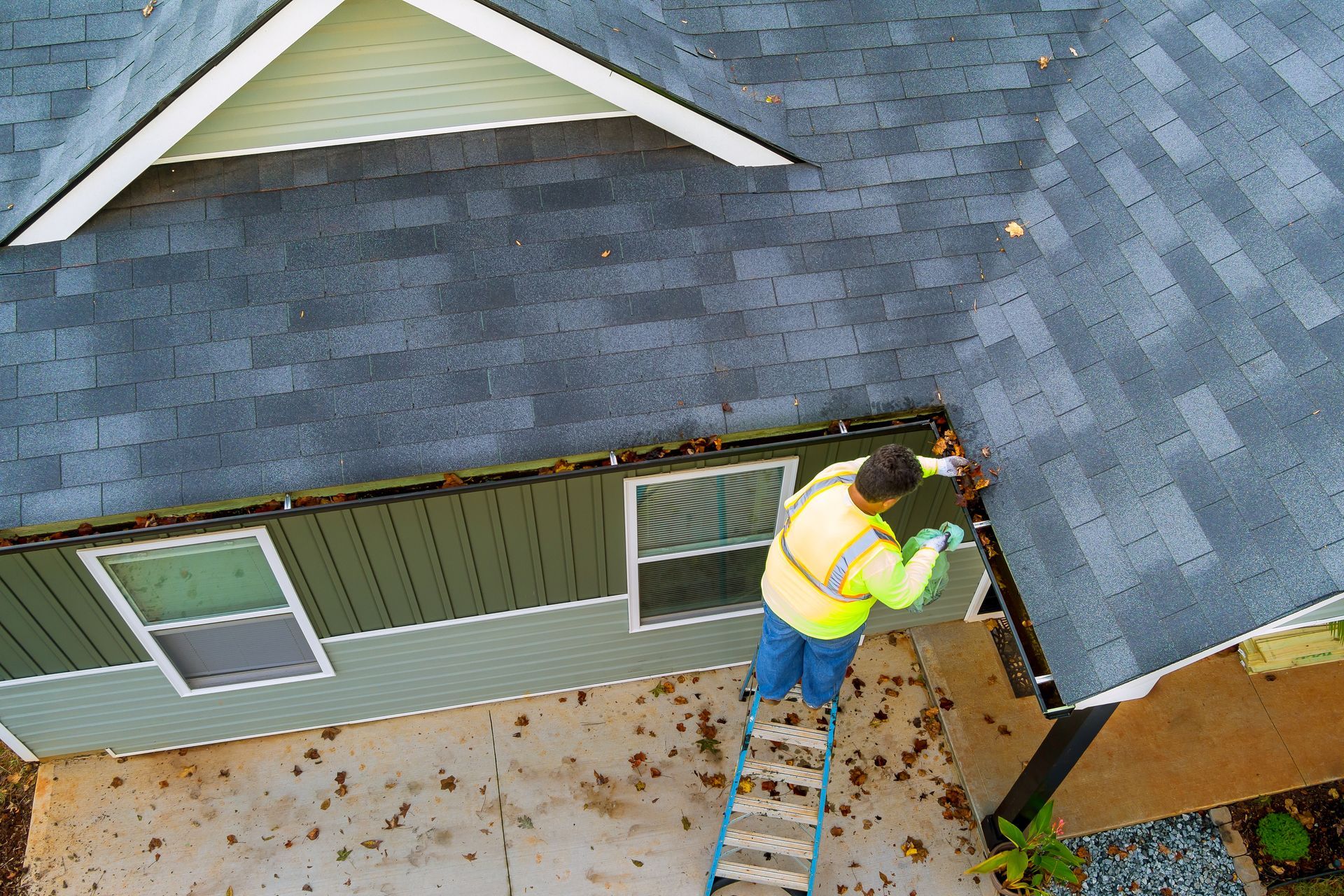
Also, keep gutters clear when safe. Clean gutters help water flow away and support gutter ice prevention.
When to Call a Professional
Call a pro if:
- You have active leaking or ceiling stains
- Icicles are large and heavy (fall risk)
- Ice has built up thick along multiple roof edges
- You've had repeat ice dams year after year
- Your attic shows damp insulation, mold, or heavy condensation
If a leak starts, don't wait. A winter leak can soak insulation and decking quickly. Emergency stabilization may be needed, but long-term prevention still comes back to insulation, sealing, and ventilation.
Why Choose Us for Ice Dam Prevention in Connecticut
Local Expertise in Cold-Weather Roofing
Ice dam prevention isn't one-size-fits-all. Connecticut homes vary a lot, capes, colonials, raised ranches, older homes with finished attics, and newer builds with complex rooflines.
A good prevention plan looks at:
- Where heat is escaping (attic heat loss points)
- Ventilation paths (intake and exhaust balance)
- Insulation coverage and depth
- Roof layout details that trap snow (valleys, dormers, transitions)
Because we work locally and respond in winter conditions, we focus on practical fixes that hold up during real CT freeze–thaw weather.
Proven Methods and Reliable Service
The most reliable results come from doing the basics well:
- Strong attic insulation for ice dam prevention
- Targeted air sealing to stop ice dams
- Correct roof ventilation design
- Smart winter roof maintenance habits
- Heat cables only where they truly help
This approach supports energy-efficient roofing outcomes too, your home stays warmer, your attic stays drier, and your roof is less likely to leak during winter.
If you want help stopping ice dams for good, the next step is simple: get your attic and roof system checked as a whole, insulation, ventilation, and the common leak points that cause ice damming.
If you're in Connecticut and dealing with roof ice buildup, repeat icicles, or winter leaks, Carden Home Improvement can help you figure out what's driving the problem and what will actually work for your home.
Visit our
roofing services page to learn more about our comprehensive solutions, or
contact us for a consultation.
Frequently Asked Questions
Why do ice dams form on my roof but not my neighbor's?
Ice dams form when heat escapes from your living space into the attic, warming the roof deck enough to melt snow. That meltwater then refreezes at the cold eaves, creating an ice ridge. If your neighbor doesn't have ice dams, their home likely has better attic insulation, more effective air sealing, or superior attic ventilation. Other factors include roof orientation (south-facing roofs get more sun and melting), attic living space (finished attics lose more heat), insulation age and condition, and even thermostat settings. Homes with complex rooflines featuring valleys, dormers, and multiple roof planes are also more prone to ice dams because these areas trap snow and create uneven temperatures. The good news is that ice dams are preventable through improvements to your home's thermal envelope, regardless of your roof design.
Can I just use heat cables instead of improving insulation and ventilation?
Heat cables can help manage ice in specific problem areas, but they're not a substitute for proper insulation and air sealing. Cables treat the symptom (ice at the eaves) without addressing the root cause (heat escaping into your attic). If you rely only on heat cables, you'll continue wasting energy heating your attic, pay higher electricity bills to run the cables, still risk ice dams in areas without cables, and face potential leaks if cables fail or aren't positioned correctly. Heat cables work best as a supplemental tool for trouble spots like valleys, complex roof transitions, or shaded areas that stay cold. The most cost-effective long-term solution is always to reduce attic heat loss through insulation and air sealing first, then add ventilation to maintain consistent roof temperatures. This approach prevents ice dams, lowers heating costs, and protects your roof year-round.
What's the safest way to remove ice dams once they've already formed?
Never attempt to remove ice dams yourself by climbing on your roof in winter conditions or by chipping away ice with hammers, shovels, or other tools, this causes severe roof damage and creates serious safety risks. The safest DIY option is using a roof rake from the ground to remove snow from the lower 3-6 feet of your roof before ice dams form, but this is prevention, not removal. If ice dams have already formed and you're experiencing leaks, contact a professional roofer immediately for emergency stabilization. Professionals have specialized equipment like low-pressure steam systems that melt ice without damaging shingles. In the meantime, you can minimize interior damage by placing buckets under leaks, moving valuables away from affected areas, and carefully poking small drainage holes in bulging ceiling areas (only if safe and away from electrical fixtures). Never use salt, calcium chloride, or harsh chemicals unless they're specifically rated for roofs and applied by professionals, as these can damage shingles and corrode metal components.
How much does it cost to prevent ice dams in a Connecticut home?
Ice dam prevention costs vary significantly based on your home's size, current insulation levels, and the scope of work needed. A basic attic insulation upgrade for an average CT home typically ranges from a few thousand to several thousand dollars. Professional air sealing (addressing gaps around lights, hatches, chimneys, and penetrations) adds several hundred to a few thousand more depending on accessibility and the number of leak points. Ventilation improvements, like adding soffit vents, ridge vents, or baffles, can cost from several hundred to a couple thousand dollars. Heat cable installation runs from a few hundred dollars for a small section to over a thousand for multiple roof areas. While these costs may seem significant upfront, they're investments that pay off through lower heating bills (often 10-30% savings annually), prevented water damage (which can cost many thousands to repair), extended roof life, and improved home comfort. Many homeowners see a return on investment within 3-5 years through energy savings alone, not counting avoided emergency repairs.
Are ice dams covered by homeowner's insurance in Connecticut?
Coverage for ice dam damage depends on your specific policy and the circumstances. Most Connecticut homeowners insurance policies will cover interior water damage caused by ice dams, such as damaged ceilings, walls, flooring, and belongings, because this is considered sudden and accidental damage. However, many policies won't cover the cost of removing the ice dam itself or repairing the roof if the damage resulted from lack of maintenance or known deficiencies you didn't address. Some insurers may deny claims if they determine you failed to properly maintain your home (like ignoring previous ice dam issues or neglecting roof maintenance). To protect yourself, document all ice dam incidents with photos, keep records of any preventative work you've done, report problems to your insurance company promptly, and consider asking your agent about specific ice dam coverage or endorsements. The best approach is prevention through proper insulation, air sealing, and ventilation, this protects both your home and your insurability while avoiding deductibles and potential premium increases from filing claims.