Roof Leak Repair in CT: Your First 24 Hours

If you need roof leak repair in CT, the next 24 hours matter more than most people think. Water can spread fast through your attic, insulation, and ceilings, even if the drip looks small.
This guide is written from the point of view of a local, licensed Connecticut contractor (Carden Home Improvement, HIC#0699243) that offers 24/7 service and has a team with 10+ years of home improvement experience. We'll give you the straight steps first, then explain why they work.
Recognizing the Urgency of a Roof Leak
Why Immediate Action Matters
A roof leak is rarely "just a leak." It's usually water intrusion that can travel along wood and drywall before you even see a stain. The faster you act, the more you can avoid:
- Ceiling water damage (sagging, stains, crumbling drywall)
- Wet insulation that stops working and holds moisture
- Mold and mildew risks
- Damaged roof decking (the wood under your shingles)
- Higher repair costs later, including roof water damage repair
Even if the leak slows down when the rain stops, the damage may continue. Moisture trapped in insulation and wood can keep spreading.
Common Causes of Roof Leaks
In Connecticut, roof leaks often start from a few common issues:
- Roof flashing issues (metal pieces around chimneys, vents, skylights, and valleys)
- Missing, cracked, or lifted shingles after wind and storms
- Worn seals around pipe boots (plumbing vents)
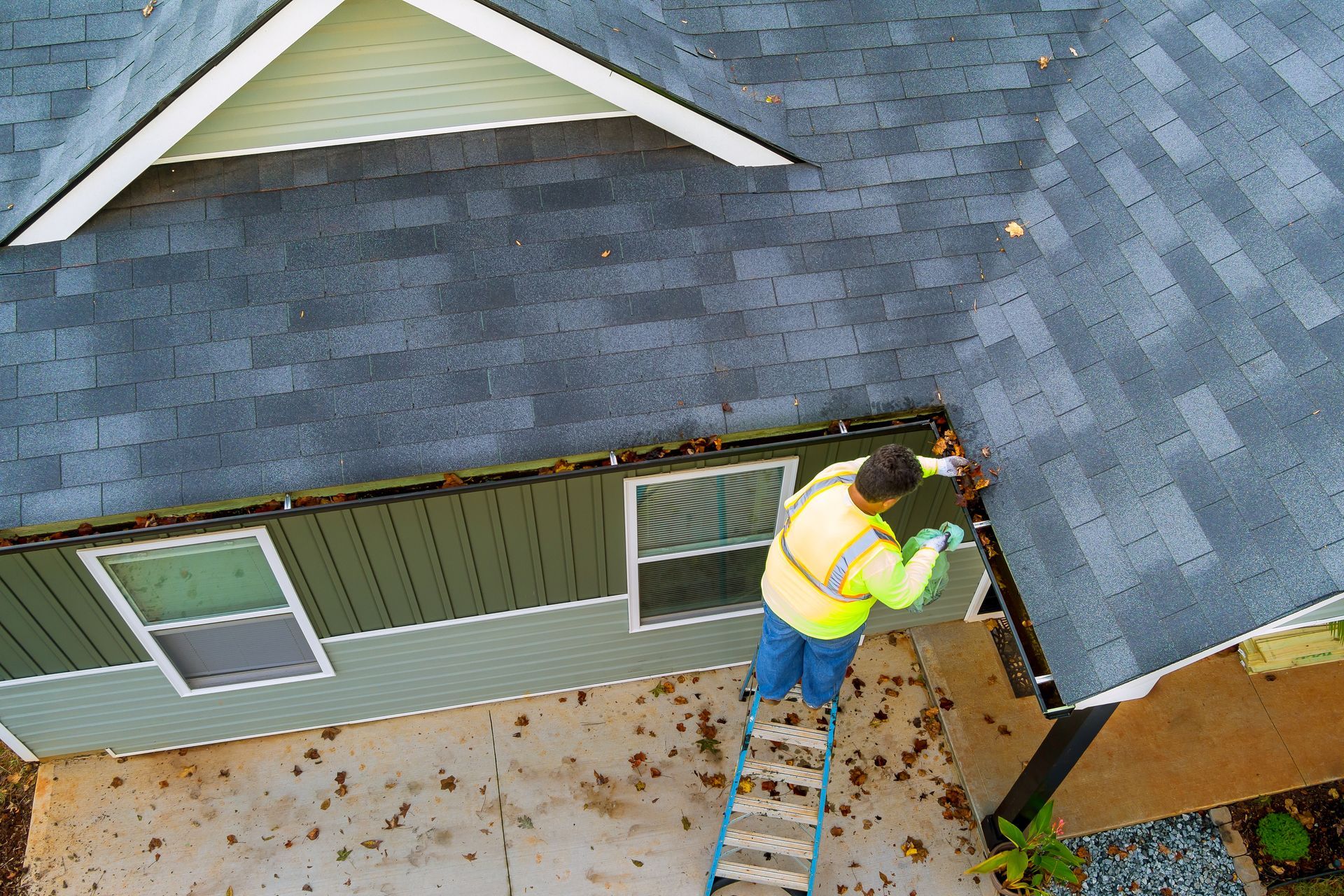
- Clogged
gutters that force water back under shingles
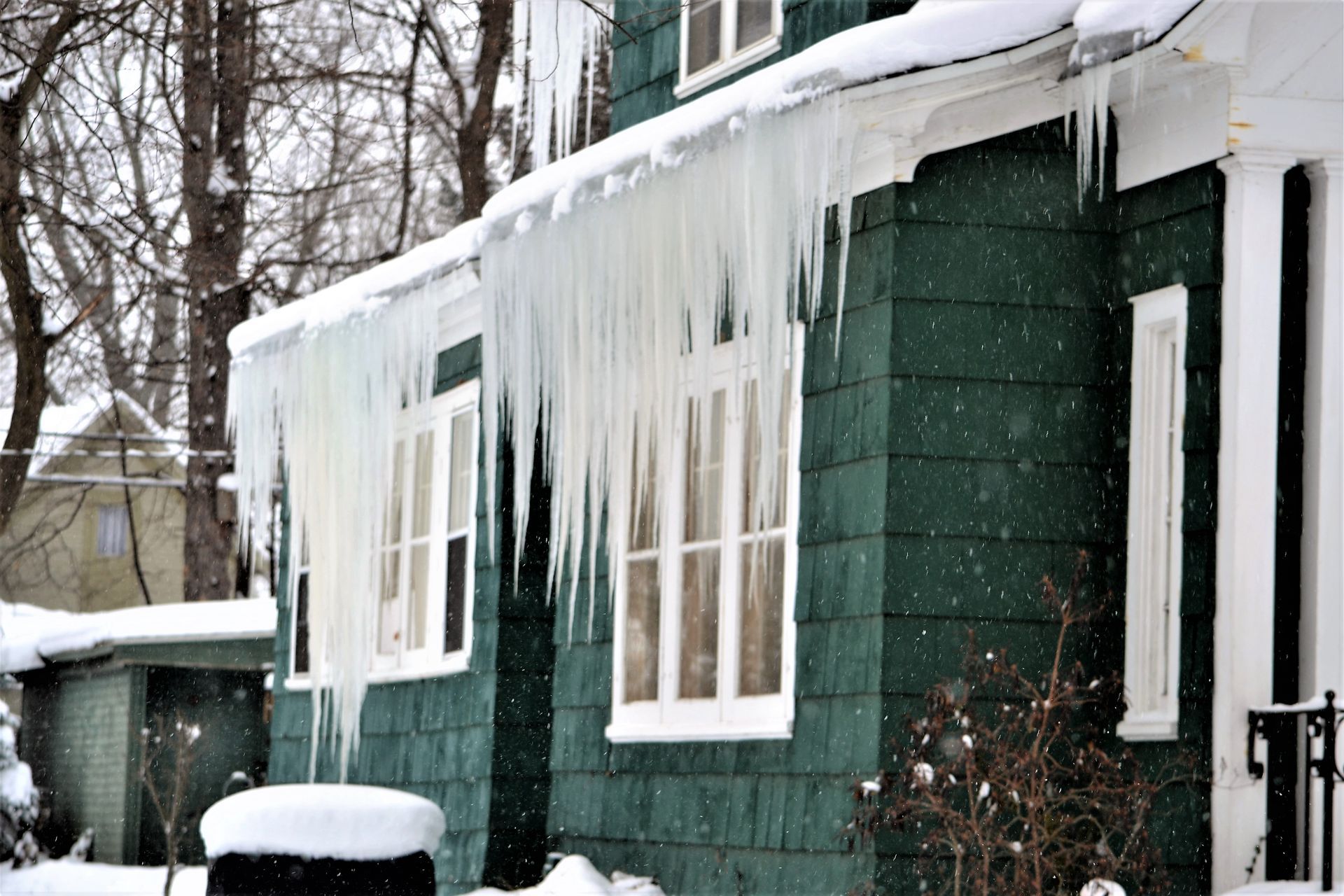
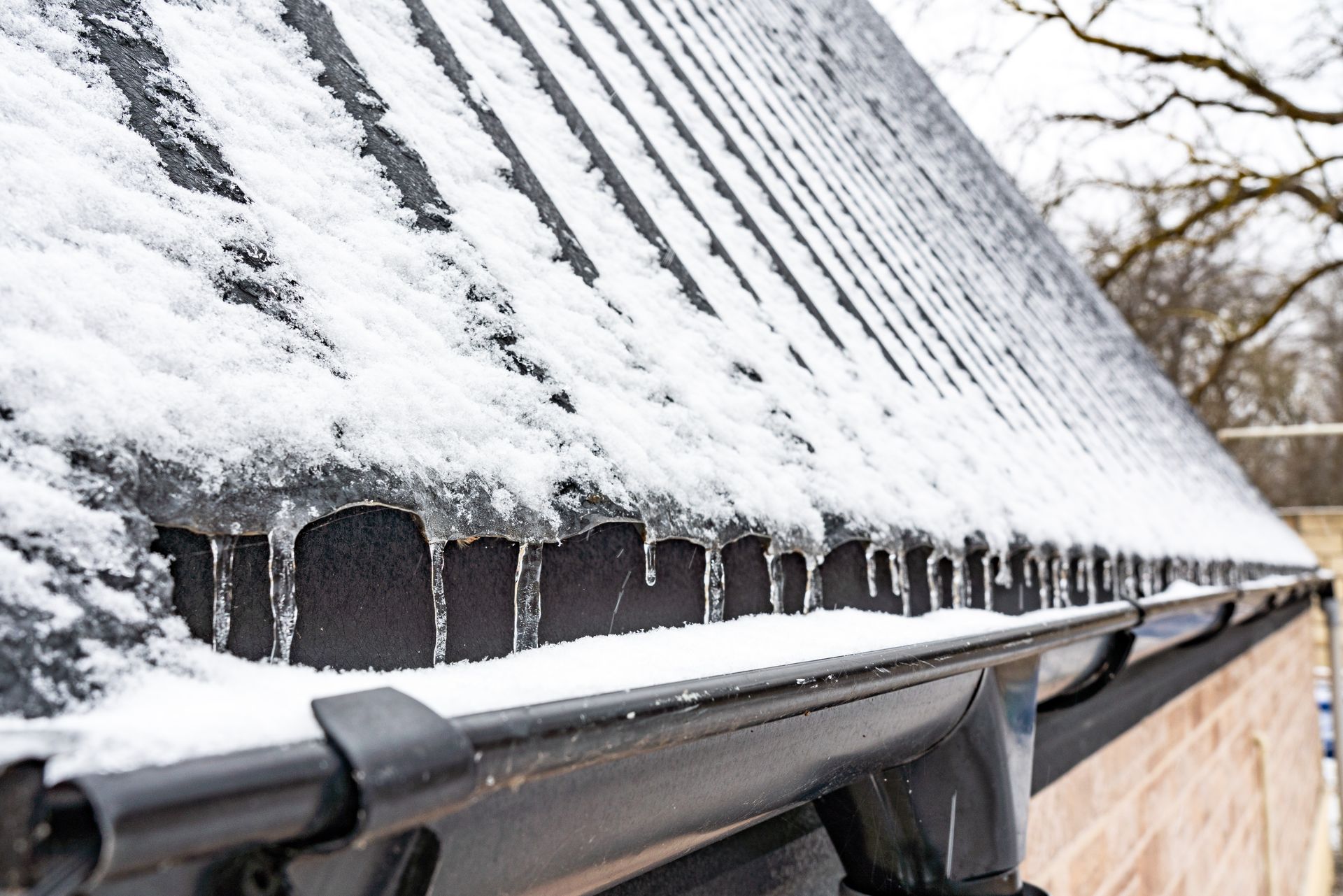
- Ice dams
pushing water up and under the roof edge in winter
- Old or damaged skylight seals
- Flat roof leak problems (cracks, seams separating, punctures)
A key thing to know: the water spot on your ceiling isn't always directly under the leak. Water can run along framing and drip somewhere else.
First Steps to Take Within the First 24 Hours
Contain the Leak to Minimize Damage
Your first goal is to control the water inside your home. These steps can reduce damage right away:
- Move furniture, electronics, and valuables away from the leak area
- Place a bucket or large bin under drips
- Put towels down to prevent slipping and protect flooring
- If the ceiling is bulging with trapped water, carefully relieve pressure
- You can poke a small hole in the lowest point and let it drain into a bucket
- Only do this if it's safe and water isn't near lights or wiring
- Run a fan and dehumidifier after the dripping stops to help dry the area
Safety matters most. If water is near a light fixture, outlet, or ceiling fan, turn off power to that area at the breaker if you can do so safely.
Document the Damage for Insurance
If this leak may be tied to storm damage or a sudden event, document everything early. It helps with insurance roof claims and keeps details clear:
- Take photos and short videos of:
- The ceiling stain or active drip
- Wet flooring or damaged belongings
- Any visible roof damage from the ground (missing shingles, debris, sagging areas)
- Write down:
- The time you noticed it
- The weather conditions (heavy rain, wind, snow melt)
- What rooms are affected
- Keep receipts for anything you buy to limit damage (tarps, fans, buckets)
Try not to throw anything away until you've photographed it.
Inspect the Attic and Ceilings
If it's safe, a quick attic check can help you understand how serious it is. Use a flashlight and watch your footing.
Look for:
- Active dripping or wet wood
- Dark staining on rafters or roof decking
- Damp insulation (it may feel heavy or look matted)
- Moisture around vents, chimneys, skylights, or valleys
Don't step on drywall between joists, it won't hold your weight. Only step on framing members or a stable walkway.
If you see widespread wet insulation, multiple drip points, or sagging wood, it's time to call for emergency help.
Emergency Roof Leak Services in Connecticut
Temporary Repairs You Can Make
Temporary fixes can help reduce damage, but only attempt them if conditions are safe. Avoid climbing onto a wet, icy, or steep roof.
Safer temporary steps most homeowners can do:
- Place plastic sheeting under an attic drip and guide water into a bucket
- Use a tarp on the ground to protect belongings you move outside
- Clear obvious gutter clogs from the ground (only if safe and easy)
If you have to tarp the roof, it's usually best handled by a professional. A tarp needs to be secured properly so wind doesn't rip it off (or cause more roof damage). Learn more about our emergency roof tarping services.
Avoid quick "seal everything" attempts with caulk from the inside. It can trap moisture and make leak detection harder.
When to Call a Professional Roofer
Call a professional roofer right away if:
- Water is actively dripping inside the home
- You see ceiling sagging or spreading stains
- There's storm damage, missing shingles, or exposed roof areas
- The leak is near electrical fixtures
- You suspect multiple leak points
- You have a flat roof leak that keeps returning
- You need same-day stabilization (tarping, emergency patching)
In many cases, the fastest way to prevent bigger damage is a quick visit for roof leak detection and a temporary stop-gap repair.
What to Expect from an Emergency Visit
A good emergency response should be focused and clear. In most cases, you can expect:
- A fast inspection of the roof surface (when safe)
- Interior checks in the attic and ceilings to trace the leak path
- Photos of damage and problem areas
- A temporary fix if possible (tarping, patching, securing loose materials)
- A plan for the permanent repair with next steps and timing
Sometimes weather limits what can be done immediately. During heavy rain, high winds, or icy conditions, the safest move may be to stabilize what's possible and schedule the full repair as soon as conditions improve.
Long-Term Solutions After Emergency Repairs
Assessing the Need for Full Roof Repair or Replacement
After the emergency is under control, the next question is: "Is this a simple repair, or is the roof telling me something bigger is wrong?"
A roof repair is often enough when:
- The leak came from a clear, isolated issue (like flashing around a chimney)
- The roof is in otherwise good condition
- The damaged area is small and accessible
A bigger repair, or replacement, may be needed when:
- The roof is older and has multiple weak points
- There's repeated leaking in different locations
- Roof decking is soft, rotted, or sagging
- Storm damage affected large sections
- You're seeing ongoing moisture problems in the attic
A professional inspection should include the roof surface, flashing details, attic ventilation signs, and the condition of the decking.
Preventative Maintenance and Leak Detection
The best way to avoid a leaking roof emergency is consistent maintenance. Simple habits can prevent many leaks:
- Get a roof check after major wind or
hail storms
- Keep gutters and downspouts clear so water flows away
- Trim branches that hang over the roof
- Watch for early signs:
- Small stains on ceilings
- Musty attic smells
- Shingle granules collecting in gutters
- Address minor flashing issues before they become major leaks
- Schedule periodic professional leak detection if you've had repeated problems
In CT winters, preventing ice dams (better attic insulation, air sealing, and ventilation) can also reduce winter leak risk.
Why Choose Our Team for Roof Leak Repair in CT
Fast Response Times
When water is coming in, timing is everything. Fast response helps reduce:
- Interior damage
- Mold risk
- Wet insulation problems
- The chance of hidden damage spreading
Carden Home Improvement offers 24/7 availability, which matters when leaks start at night, on weekends, or during storms.
Skilled Leak Detection Specialists
Stopping a roof leak isn't just about patching the first spot you see. It's about finding the real entry point and fixing it correctly.
An experienced roofer will know how to check:
- Flashing points (chimney, skylights, vents)
- Valleys and roof transitions
- Roof edges and gutter lines
- Shingle condition and underlayment issues
- Flat roof seams and penetrations (if applicable)
That's the difference between "it stopped for now" and "it's actually fixed."
Transparent Pricing and Warranty Options
A helpful contractor should explain what you're paying for and why, especially during emergency response work. That typically includes:
- Inspection and leak tracing
- Materials for a temporary or permanent repair
- Labor and safety setup
- Photos and documentation when needed
Carden Home Improvement uses Tamko products as a Diamond Contractor, and warranty details should always be explained in plain language so homeowners know what's covered and what to expect.
Contact Us for Immediate Roof Leak Help
If you're dealing with an active leak and need roof leak repair in CT, focus on two goals:
- Stop the water from spreading
- Get a safe plan for a real fix
If you want professional help fast, Carden Home Improvement can assist with emergency response, temporary stabilization, and permanent repairs once conditions are safe.
Carden Home Improvement
55 Whiting St, Suite B-1, Plainville, CT 06062
Phone: (860) 200-8827
Email: office@cardenroofing.com
Visit our
contact page
for more information.
Frequently Asked Questions
How do I find where my roof is leaking if the water stain isn't directly under the entry point?
Water rarely travels straight down, it follows the path of least resistance along rafters, roof decking, and even insulation before it finally drips through your ceiling. To trace a leak, start in the attic during or right after rain with a flashlight. Look for wet spots, dark stains, or active dripping on the underside of the roof deck. Follow the water trail upward and toward the roof's highest point to find where it's entering. Common entry points include damaged flashing around chimneys and skylights, lifted shingles, worn pipe boots, and valley failures. If you can't safely access the attic or the leak path isn't clear, a professional roofer has the experience to trace complex leak routes quickly, even when multiple entry points are involved.
Can a small roof leak wait, or does it always need immediate attention?
Even small leaks require prompt attention because they rarely stay small. Water that seems minor today can saturate insulation, weaken roof decking, promote mold growth, and cause structural damage over time, all of which cost far more to repair than addressing the leak early. In Connecticut's climate, small leaks can worsen quickly during heavy rain, snow melt, or ice dam formation. If you notice any ceiling stains, musty odors, or dripping, treat it as urgent within the first 24 hours. At minimum, contain the water inside, document the damage, and call a professional for an inspection. Waiting often turns a few-hundred-dollar repair into a multi-thousand-dollar project involving drywall replacement, insulation removal, and extensive decking work.
What should I do if my roof starts leaking in the middle of the night or during a storm?
Safety comes first, never go on your roof during active storms, at night, or in icy conditions. Inside your home, immediately move furniture and valuables away from the leak, place buckets under drips, and lay towels down to protect flooring. If the ceiling is bulging with trapped water and it's safe to do so, carefully poke a small hole at the lowest point to drain water into a bucket (this prevents ceiling collapse). Turn off electricity to any affected areas if water is near lights, outlets, or ceiling fans. Take photos of the damage for insurance purposes. If you can safely access the attic, check for the leak source and place containers under active drips. Then call a 24/7 emergency roofing service, many contractors, including Carden Home Improvement, offer overnight and weekend response to stabilize leaks with tarping or temporary patches until permanent repairs can be made safely.
How much does emergency roof leak repair typically cost in Connecticut?
Emergency roof leak repair costs vary widely based on the leak's cause, location, and severity. A basic emergency service call and inspection typically runs a few hundred dollars. Simple temporary fixes like sealing a small flashing gap or securing loose shingles might cost several hundred dollars. More involved emergency work, such as tarping a large section, replacing damaged pipe boots, or repairing valley flashing, can range from several hundred to a couple thousand dollars. If the leak has caused interior damage (wet insulation, damaged drywall, or decking rot), costs increase substantially. Emergency calls during off-hours, weekends, or active storms may carry premium rates, but this investment often prevents thousands in additional water damage. A reputable contractor should provide transparent pricing that explains inspection fees, materials, labor, and temporary versus permanent repair costs before starting work.
Will my homeowner's insurance cover roof leak repairs in Connecticut?
Coverage depends on what caused the leak and your policy's specific terms. Connecticut homeowners insurance typically covers roof leaks resulting from sudden, accidental events like storm damage, wind-blown shingles, fallen trees, or hail damage. Insurance usually won't cover leaks from gradual wear and tear, lack of maintenance, or age-related deterioration. To support a claim, document everything immediately: photograph the interior damage and any visible exterior roof damage, note the date and weather conditions, keep receipts for emergency supplies (tarps, buckets, fans), and don't dispose of damaged materials until your adjuster reviews them. Call your insurance company within 24 hours of discovering the leak. A licensed roofing contractor can provide detailed documentation, photos, and a written assessment to support your claim. Emergency stabilization costs (like tarping) are often covered when done to prevent further damage after a covered event, but check your policy's specific language and deductible.