Chimney Flashing Leaks in CT: Fix or Replace?

If you're dealing with a chimney flashing leak in CT, you usually need answers fast: where the leak is coming from, how serious it is, and whether a repair will hold. At Carden Home Improvement, we work on roofs across Connecticut and regularly diagnose roof leaks around chimneys caused by failing flashing, worn sealant, and storm damage. We're a Connecticut-licensed home improvement contractor (HIC) and our team has 10+ years of roofing and exterior experience in the state, so this guide is based on what we see on real CT homes, not theory.
Here's the simple truth upfront: many chimney leaks can be fixed, but if the flashing system is rusted, improperly installed, or the chimney masonry is failing, replacement is often the safer long-term move.
What Is Chimney Flashing and Why It Matters
Purpose of Flashing in Roof Systems
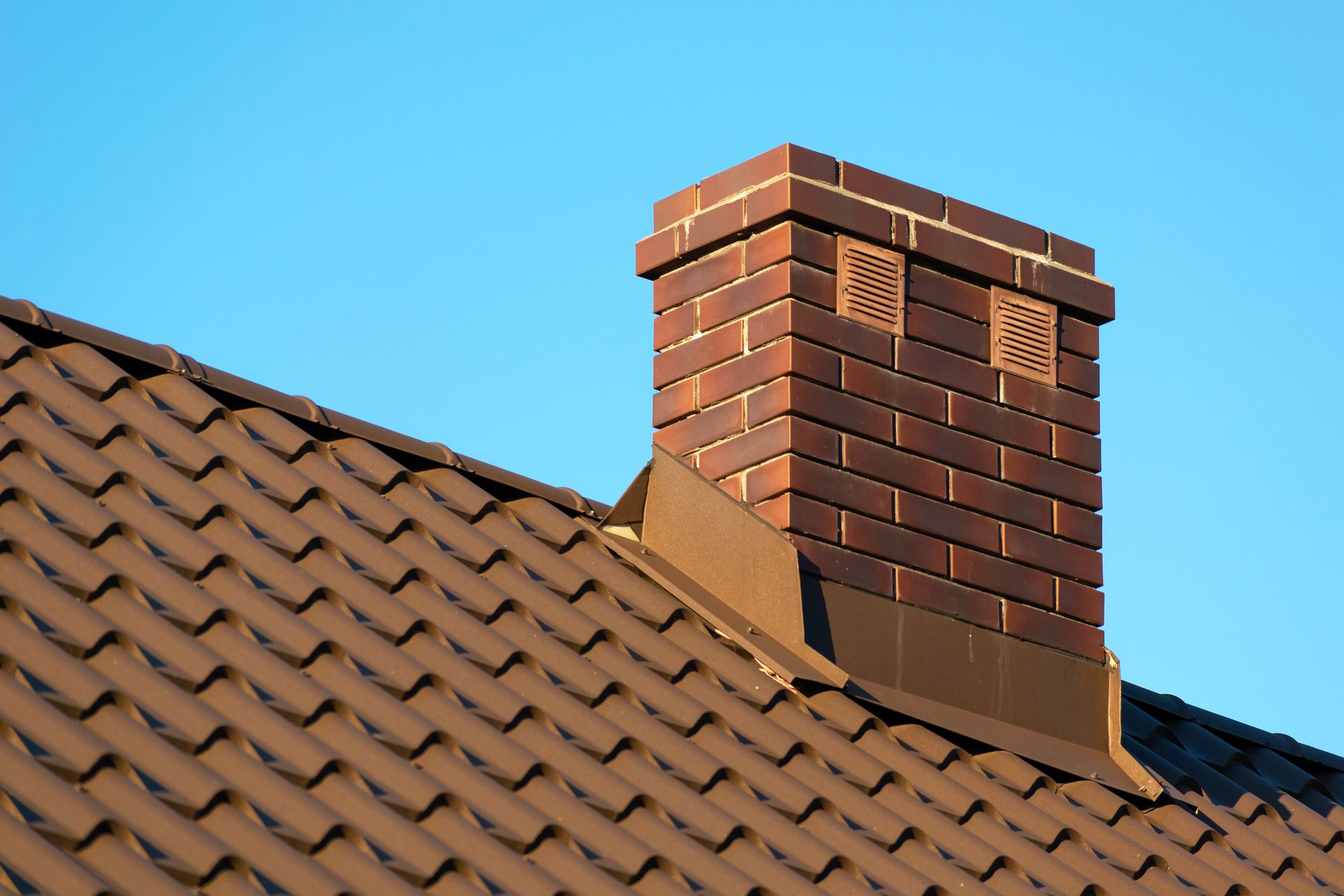
Chimney flashing is the metal (and related waterproofing layers) that seals the joint where your chimney meets the roof. That joint is one of the most leak-prone spots on any house because it's a hard transition between shingles and masonry.
Flashing helps with:
- Directing water away from seams
- Preventing water from getting under shingles
- Protecting the roof deck, insulation, and framing
- Reducing rot, mold, and interior ceiling stains
When flashing fails, water doesn't just drip straight down, it can travel along wood and show up far from the chimney.
Where Flashing Is Installed on a Chimney
Most chimney flashing systems include multiple parts working together:
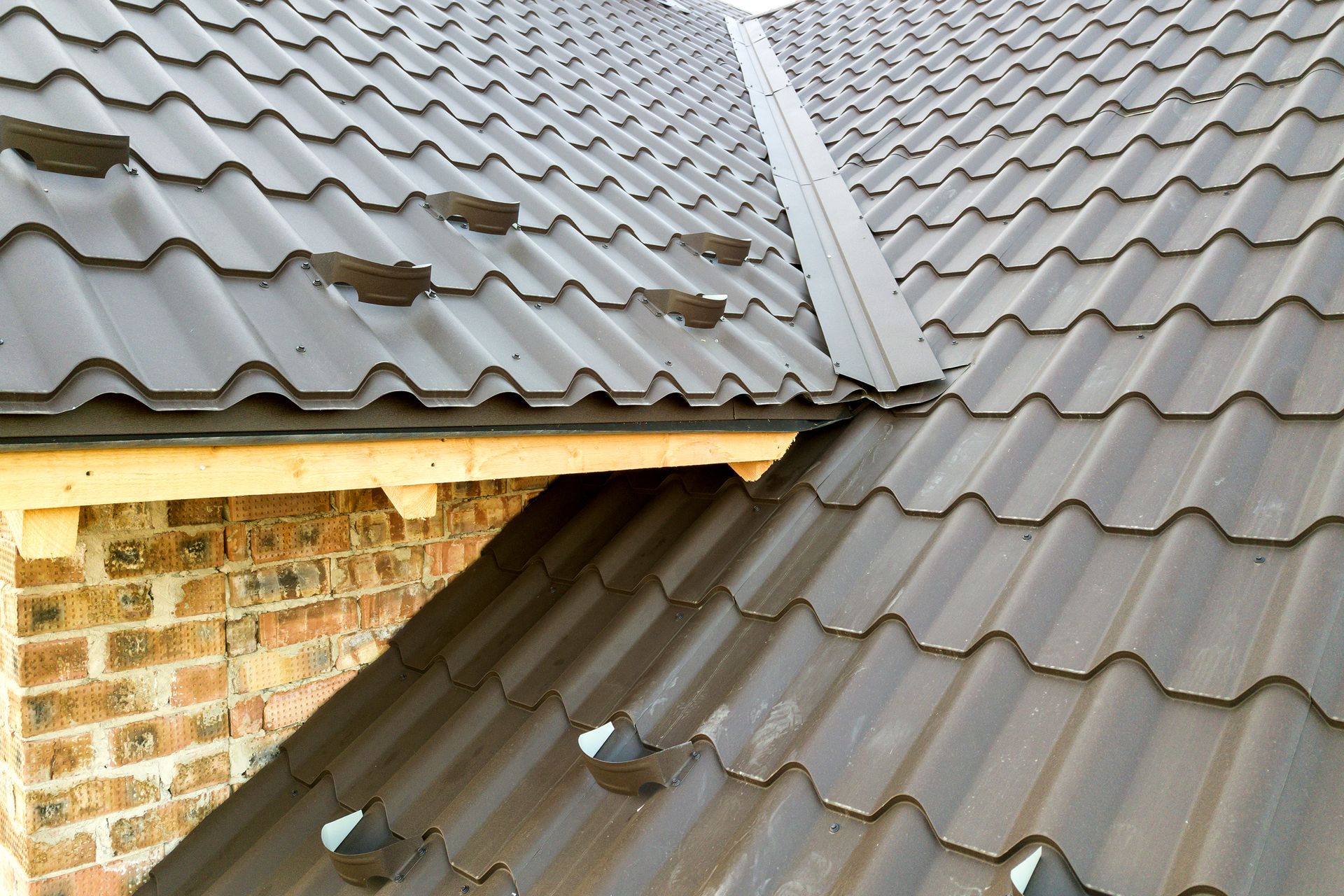
- Step flashing along the sides (layered with shingles)
- Apron flashing at the front (down-slope side)
- Back pan flashing at the rear (up-slope side), often the most important in heavy rain
- Counter flashing that covers the top edges of step/apron flashing and is tied into the chimney masonry
If any piece is missing, loose, or installed wrong, water can slip in during storms. Understanding these components is similar to learning about other roof edge terminology, each part plays a critical role in the complete waterproofing system.
Role in Preventing Water Damage
A chimney sits like a "wall" in the middle of a roof plane. Wind-driven rain hits it, snow piles up around it, and ice can form behind it. Good flashing is what keeps that water from entering the home.
In CT, freeze-thaw cycles make flashing gaps worse over time. Small openings can become steady leaks by the end of a rough winter.
How to Spot a Chimney Flashing Leak
Common Signs of a Flashing Failure
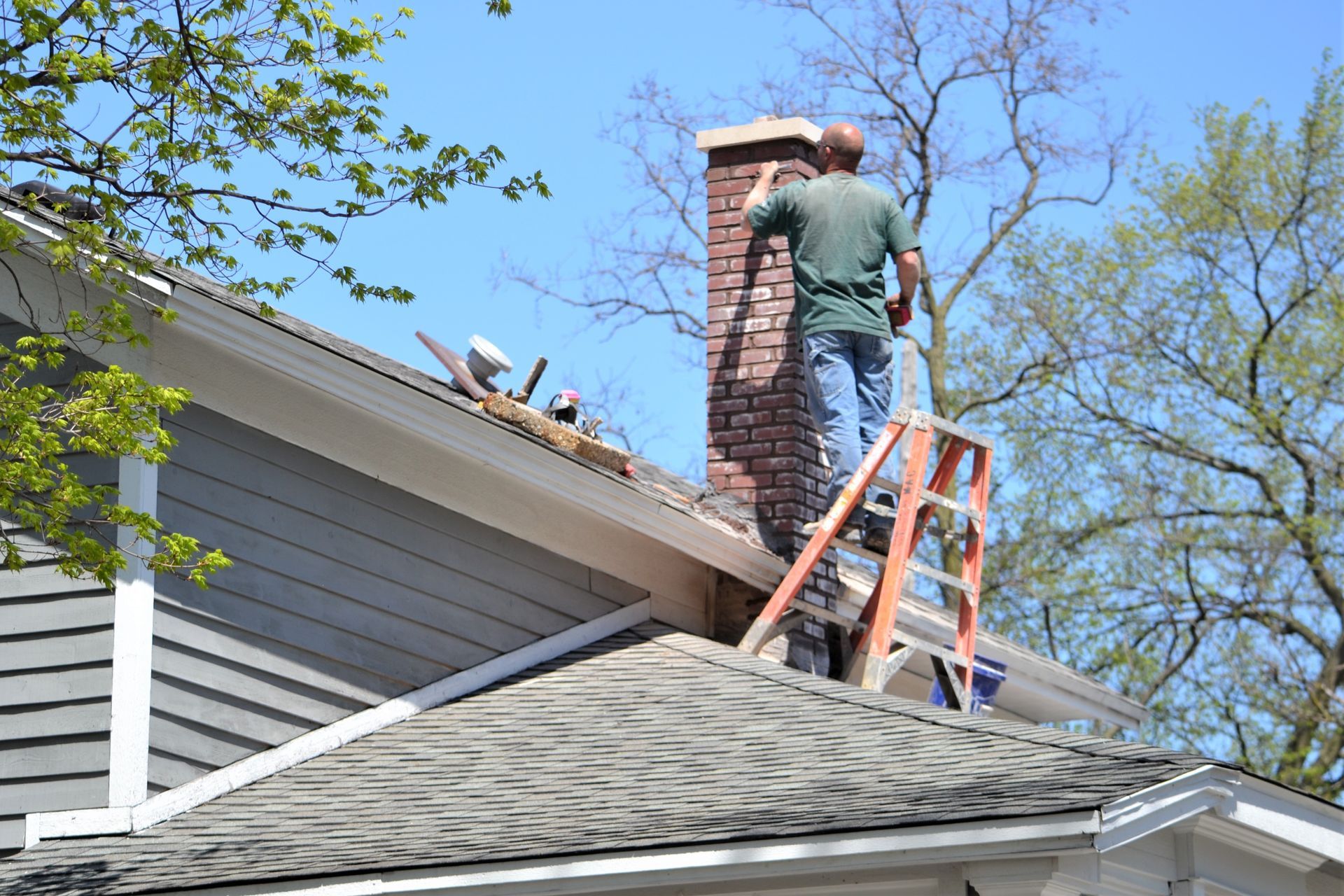
If you suspect a chimney flashing leak CT, look for these common signs:
- Water stains on ceilings or walls near the chimney
- Drips in the attic after rain or snow melt
- Damp insulation around the chimney chase
- Shingle edges lifting near the chimney
- Rusted metal or visible gaps where metal meets masonry
A leak that shows up only during wind or heavy rain often points to flashing, not a random shingle.
Interior and Exterior Damage Indicators
Inside the home, flashing leaks may cause:
- Brown rings, bubbling paint, or peeling drywall tape
- Musty smells near the chimney wall
- Mold growth in upper corners or attic spaces
Outside, you might notice:
- Cracked mortar joints or loose bricks
- Metal flashing that is bent, corroded, or pulling away
- Sealant that's dried out or missing
- Debris buildup that traps water behind the chimney
If you're seeing both roof signs and masonry damage, it may be more than a simple flashing patch.
When to Schedule an Inspection
Schedule an inspection if:
- The leak repeats more than once
- You've "patched it" but it comes back
- You see water marks after snow and ice melt
- You notice crumbling mortar or gaps at counter flashing
Quick inspections matter because hidden moisture can rot roof decking long before you see major interior damage. Our roof leak repair services include thorough chimney flashing assessments.
Common Causes of Chimney Flashing Leaks in Connecticut
Harsh Weather and Seasonal Shifts
Connecticut weather is rough on roof details. Chimneys take extra stress from:
- Wind-driven rain
- Snow drifting and meltwater pooling
- Ice buildup behind the chimney
- Expansion and contraction from temperature swings
Over time, these conditions can pull flashing loose and open up seams. Ice dams are a particular concern, learn more about preventing ice dams and protecting your roof during Connecticut winters.
Improper Installation or Materials
A lot of chimney leaks come down to installation mistakes, such as:
- Step flashing not layered correctly with shingles
- Counter flashing not properly cut into the chimney (or not sealed correctly)
- Missing back pan flashing on the uphill side
- Nails placed where water can reach them
- Over-reliance on caulk instead of a true flashing system
If you're searching roof flashing repair near me, it's often because the original flashing wasn't built as a complete system. Professional roofing services ensure all flashing components work together correctly.
Age and Wear Over Time
Even good flashing doesn't last forever. Over time you can get:
- Rust or corrosion in metal
- Sealant breakdown at edges
- Mortar cracking where counter flashing is embedded
- Shingles wearing out near the chimney (a high-stress area)
If the roof is older and the chimney has never been reflashed, it's common to see recurring leaks. Wondering about your roof's lifespan? Check our guide on how long a roof should last in CT.
Fix or Replace: Which Option Is Right?
Minor Repairs for Small Leaks
A "fix" may be appropriate when:
- The flashing is mostly intact and not rusted through
- The leak is coming from a small, obvious gap
- A small section of step flashing is loose
- Sealant failed at a specific point, but the system is otherwise solid
Typical minor repairs can include:
- Resealing small seams (as a targeted repair, not the whole solution)
- Re-fastening loose flashing where appropriate
- Replacing a small damaged flashing section
- Replacing a few shingles around the chimney
These repairs can work well when the core flashing design is correct and the chimney masonry is still in good condition. Our roof repair services can assess whether a targeted fix will hold.
Full Replacement for Long-Term Protection
Replacement is often the better option when:
- Flashing is rusted, thin, or brittle
- Counter flashing is missing or pulling out of mortar joints
- Multiple leak points exist
- The chimney has ongoing masonry cracks and gaps
- You've patched it before and it keeps leaking
Full replacement (a proper chimney flashing repair job) usually means removing shingles around the chimney, installing new waterproofing layers, rebuilding the step flashing correctly, adding solid back pan protection, and tying in counter flashing so water sheds out, not in.
How to Evaluate Cost vs Risk
A repair may cost less today, but the risk is what happens if water continues:
- Roof deck rot
- Mold in insulation
- Damaged drywall and paint
- Chimney framing decay
- Bigger repairs later
If you have a leaky roof around the chimney that's been going on for months, replacement of the flashing system is often the safer long-term investment because it addresses hidden damage and rebuilds the weak point correctly. For severe damage, our emergency roof repair services can prevent further deterioration.
Preventing Future Flashing Issues
Routine Roof and Chimney Maintenance
Most chimney leaks get worse because they're ignored. A simple maintenance routine helps:
- Check attic areas after major storms
- Watch for early ceiling staining
- Clear debris that traps water near the chimney
- Keep gutters working so roof water doesn't back up
Good drainage reduces the amount of water that sits and pushes into seams. Proper gutter installation works hand-in-hand with chimney flashing to manage water effectively.
Waterproofing and Sealant Solutions
Waterproofing is helpful, but it has to be used the right way.
Helpful steps can include:
- Waterproofing chimney base areas where water tends to linger (done correctly and paired with proper flashing)
- Sealing small masonry cracks before they grow
- Maintaining counter flashing joints so they stay tight
Important note: waterproof coatings and sealants are not a replacement for proper flashing. If flashing is missing or layered wrong, water will still find a path in.
Choosing Professional Chimney Services in CT
Chimney and roof joints are detail-heavy. The best results usually come from people who understand:
- Step flashing and counter flashing systems
- How shingles should overlap flashing
- How to prevent wind-driven rain from getting underneath
- How chimney masonry and roof materials move differently over time
If your goal is "fix it once and stop thinking about it," the workmanship and system design matter as much as the materials.
Take Action Before the Damage Spreads
A chimney flashing leak in CT is one of those problems that rarely stays small. The sooner you catch it, the more likely a targeted repair will work. If you wait, leaks can spread into decking, insulation, and interior finishes, turning a manageable issue into a bigger project.
If you're noticing stains, musty attic smells, rusted metal near the chimney, or recurring leaks after storms, chimney flashing is a top suspect and worth checking promptly.
If you suspect a chimney flashing leak CT, Carden Home Improvement can inspect the flashing system, surrounding shingles, and chimney masonry to identify the true source of the leak. Whether the best solution is a repair, a full flashing replacement, or added chimney waterproofing, getting a clear diagnosis early can prevent costly water damage later. Contact us to schedule your inspection today.
Frequently Asked Questions
How much does chimney flashing repair cost in Connecticut?
Minor chimney flashing repairs typically cost $300–$600, covering sealant reapplication or small section replacement. Full flashing replacement ranges from $800–$1,500 for most residential chimneys, depending on chimney size, roof pitch, and whether shingle replacement is needed. If masonry work is required (repointing mortar, resetting counter flashing), costs can reach $1,500–$2,500. Emergency repairs during active leaks may include additional charges for tarping or immediate water damage control.
Can I just use caulk to fix a chimney flashing leak?
Caulk alone is not a reliable long-term solution for chimney flashing leaks. While it might temporarily stop a small drip, it doesn't address the underlying flashing system failure. Proper chimney flashing requires layered metal components (step flashing, counter flashing, back pan) that shed water away from the chimney-roof joint. Caulk breaks down quickly under Connecticut's freeze-thaw cycles and UV exposure. Use it only as a temporary measure until proper flashing repair can be completed.
How long does chimney flashing last in Connecticut?
Properly installed chimney flashing should last 20–30 years in Connecticut, roughly matching the lifespan of an asphalt shingle roof. However, harsh CT weather, freeze-thaw cycles, ice dams, and wind-driven rain,can reduce this to 15–20 years, especially if the flashing wasn't installed correctly initially. Aluminum and galvanized steel are common materials; copper lasts longest but costs more. If your roof is approaching 20 years old and you've never had flashing serviced, inspection is wise.
Will insurance cover chimney flashing leak damage?
Insurance coverage depends on the cause. Sudden damage from storms, falling trees, or ice dams is typically covered. However, damage from normal wear and tear, aging, poor maintenance, or improper installation usually isn't covered. If a leak has been ongoing and you delayed repairs, insurers may deny claims for resulting water damage. Document new leaks immediately with photos, and review your policy's coverage for roof penetrations and water damage before filing a claim.
Should I repair or replace my chimney flashing?
Repair makes sense if the flashing is structurally sound with only minor gaps, the leak is recent and limited to one area, and the chimney masonry is in good condition. Replace the flashing system if it's rusted or corroded, multiple leak points exist, previous repairs have failed, counter flashing is missing or pulling out, or the roof is being replaced anyway. Full replacement typically offers better long-term value than repeated patch jobs, especially if water has been entering for months or years.