Skylight Leak Repair in Connecticut: Fast Fixes

If you're searching for skylight leak repair CT, you probably have one goal: stop the water fast and protect your home. At Carden Home Improvement, we work on roofs across Connecticut and see skylight leaks in every season, heavy rain in spring, wind-driven storms in summer, and ice and snow melt in winter. Our crew has 10+ years of home improvement experience in CT, and we're licensed as a Connecticut Home Improvement Contractor (HIC). We've repaired leaks caused by bad flashing, old seals, and worn roofing around skylights, so this guide is based on real jobs, not guesses.
Here's the quick truth up front: most skylight leaks come from flashing problems or failed seals, not the glass itself. A "fast fix" might stop water today, but the best repair solves the real cause so it doesn't come back next storm.
Signs Your Skylight Is Leaking
Visible Water Stains or Drips
The most obvious sign is water where it doesn't belong. You might see:
- Brown rings or stains on drywall near the skylight
- Drips during rain or after snow starts melting
- Bubbling paint or peeling ceiling texture
Sometimes the leak shows up a few feet away from the skylight. Water can travel along framing before it drops.
Musty Odors or Mold Growth
A slow leak can stay hidden for weeks. If you notice:
- A musty smell near the skylight
- Dark spots on drywall
- Mold on trim or in the skylight shaft
...there may be moisture trapped above the ceiling. That moisture can damage insulation and wood over time.
Drafts or Temperature Changes Around Skylight
A skylight can leak water and also leak air. If the area feels colder in winter or hotter in summer, you may have:
- Gaps in the skylight frame
- Failed sealant or caulking
- Poor insulation around the shaft
Air leaks often come with condensation, which can look like a roof leak.
Common Causes of Skylight Leaks
Damaged or Worn Flashing
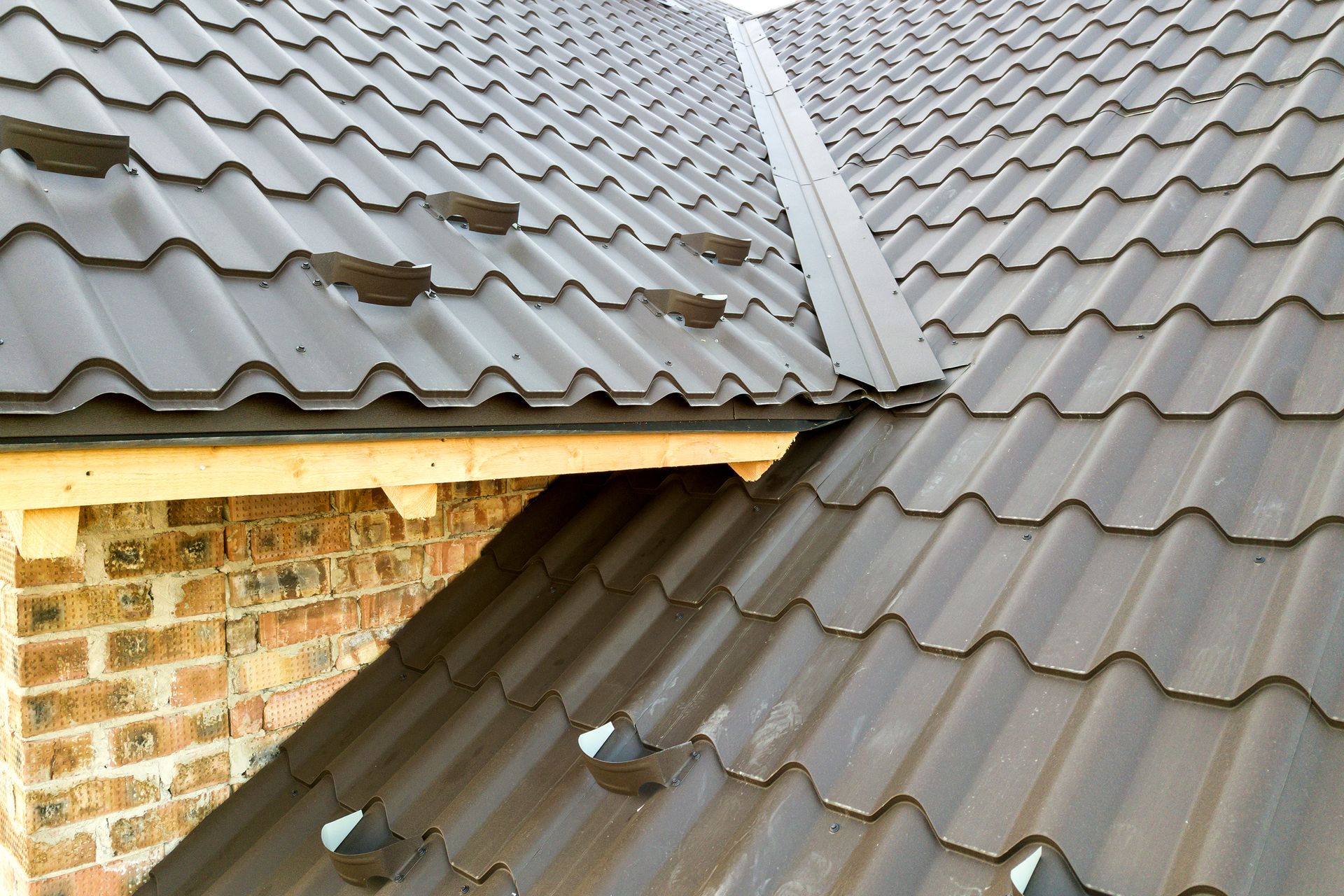
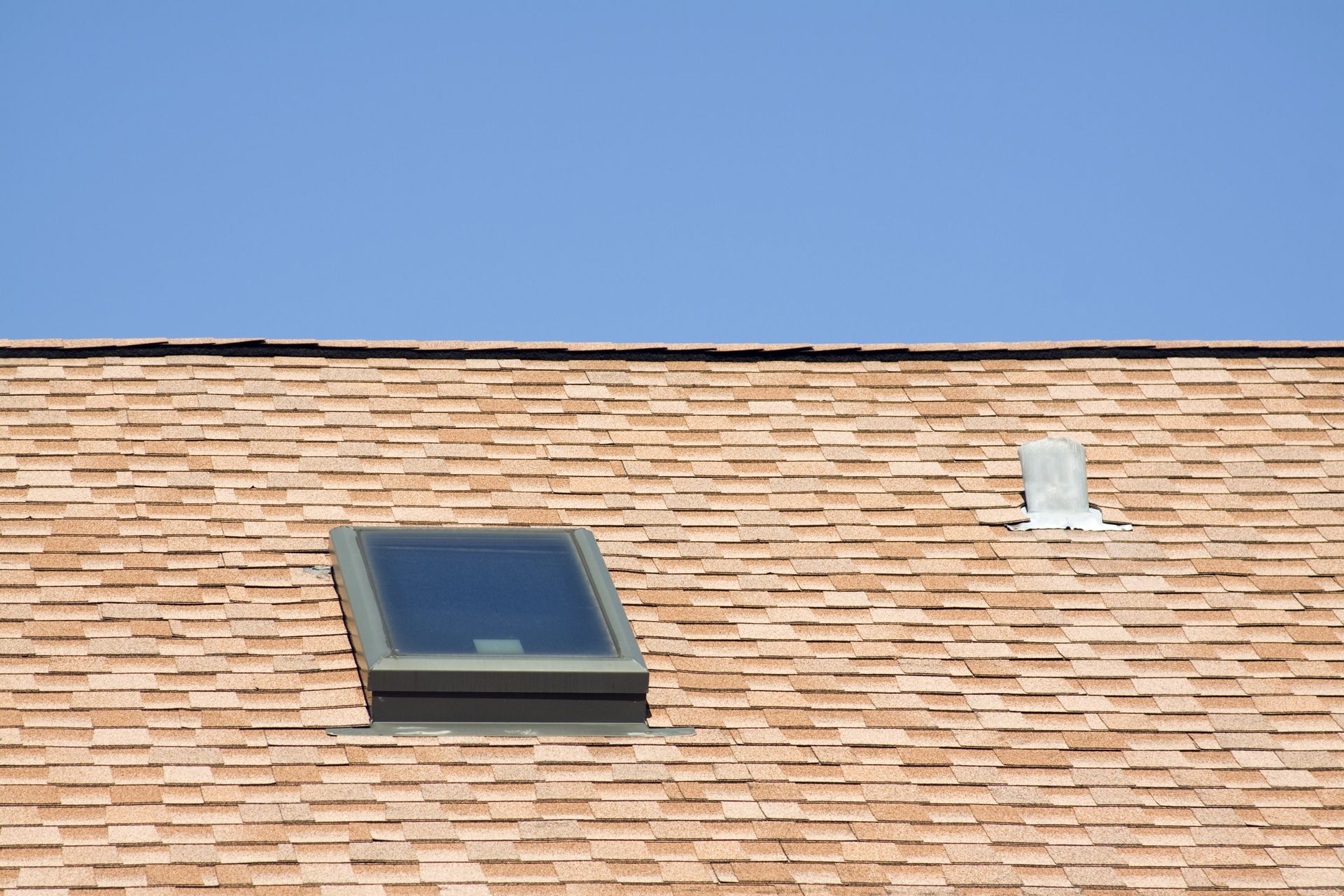
This is one of the biggest reasons homeowners need skylight flashing repair. Flashing is the metal (or metal-like system) that seals the skylight to the roof. If flashing is bent, loose, rusted, or installed wrong, water can slip underneath shingles and into the roof opening.
Common flashing problems include:
- Missing pieces
- Loose nails or fasteners
- Bad overlaps that let water run behind the metal
- Sealant used as a "band-aid" instead of a real flashing system
In Connecticut, wind-driven rain can push water uphill and sideways, so flashing has to be tight and layered correctly, similar to the edge protection principles we discuss in our drip edge installation guide.
Poor Installation Practices
Even a brand-new skylight can leak if it wasn't installed right. Installation issues we often see include:
- No ice-and-water membrane around the skylight
- Incorrect shingle layout around the skylight curb
- Wrong flashing kit for the roof type
- Fasteners placed where water can enter
If the skylight was installed by someone who didn't do skylights often, the risk goes up. Our roofing services include proper skylight integration during new installations and replacements.
Cracked or Aged Skylight Domes
Older dome skylights (common on older homes) can crack from:
- UV damage over time
- Hail or flying debris
- Freeze-thaw cycles
A crack can cause direct water entry. Even small cracks can widen as temperatures change.
If you have glass skylights, seal failure around the glass can also cause issues, especially if the unit is old. If you've experienced hail damage, it's worth inspecting your skylights as part of your overall roof assessment.
Failing Sealant or Caulking
Sealant does not last forever. Sun, heat, cold, and movement break it down. When caulk fails, you can get leaks around:
- The skylight frame
- Fastener points
- Trim connections
A skylight sealant application can help in some cases, but it should never be the only "fix" when flashing is the true problem. Caulk alone rarely survives CT weather long-term.
Fast Fixes for Skylight Leaks
Temporary Tarping Solutions
If water is actively coming in, the first goal is damage control. A tarp can be a smart temporary move when:
- The leak is heavy
- The weather won't allow safe roof work today
- You need time to schedule a repair
A good tarp setup needs to go above the skylight and extend past the problem area so water sheds off the tarp, not under it.
Important safety note: roofs get dangerous fast when wet, icy, or steep. If you're not trained and equipped, it's safer to call a pro than risk a fall. For urgent situations, our emergency roof repair services are available to protect your home quickly.
Reapplying Sealant or Caulk
Caulk can help as a short-term fix when:
- The skylight frame has a small, visible gap
- The leak is from a minor seal failure, not roof-level flashing
- The skylight is otherwise in good shape
But here's the straight answer: if the leak starts only during heavy rain or windy storms, it's often a flashing issue, not a simple caulk problem.
If you do use sealant, use a high-quality roofing sealant made for exterior exposure. Avoid indoor caulk and avoid smearing sealant over wet surfaces, it won't bond right.
Flashing Repair or Replacement
For many homes, the best long-term solution is skylight flashing repair or a full flashing replacement. This may include:
- Removing shingles around the skylight
- Inspecting the roof deck for soft spots
- Installing ice-and-water protection around the opening
- Installing the correct flashing kit
- Reinstalling shingles with proper overlap
This type of repair addresses the real path water takes under the shingles.
If your ceiling shows water stains, it's also smart to check for roof water damage repair needs. Wet insulation and wood can lead to mold and rot if ignored. Our roof leak repair services can assess both visible and hidden damage.
Replacing the Skylight Unit
Sometimes replacement is the best "fix," especially when the skylight is:
- Old (often 15–20+ years, depending on type)
- Cracked or fogged between panes
- Leaking from the unit itself, not just the roof connection
- Missing modern flashing systems that work better today
A new skylight with the correct flashing system can be more reliable and energy efficient. In many cases, replacing an old, problematic unit can cost less long-term than repeated patch jobs.
When to Call a Skylight Repair Professional
Assessing the Scope of Damage
A skylight leak might look small inside but be bigger on the roof. A professional inspection can confirm whether you're dealing with:
- A basic seal issue
- Flashing failure
- Damaged shingles near the skylight
- Wet roof decking or framing
If water has been leaking for a while, the repair may also include roof penetration repair around the skylight opening and replacement of any damaged materials.
Risks of DIY Skylight Repairs
DIY is tempting, but skylight repairs involve real risks:
- Slipping and falling
- Damaging shingles and making leaks worse
- Using the wrong sealant or flashing approach
- Missing hidden rot or wet insulation
Also, some DIY repairs void warranties if they don't follow manufacturer requirements. If the skylight is newer, it's worth protecting that investment.
Importance of Hiring Licensed CT Contractors
A licensed contractor brings:
- Proper safety equipment and roof access
- Experience with flashing details and water paths
- Knowledge of local weather challenges
- Work that can be done to accepted standards
In Connecticut, hiring a licensed pro is also peace of mind for accountability and quality. Our roof repair services are backed by proper licensing and years of local experience.
Preventing Future Skylight Leaks in Connecticut Homes
Regular Roof and Skylight Inspections
The easiest way to avoid emergency leaks is to catch issues early. A skylight inspection should look at:
- Flashing edges and seams
- Shingles around the skylight
- Signs of sealant breakdown
- Debris buildup that traps water
- Interior ceiling areas for early staining
Even once a year can help you avoid surprise damage.
Seasonal Maintenance Tips for New England Weather
Connecticut weather can test skylights hard. A few simple habits help:
- Clear leaves and debris so water drains freely
- Watch for ice buildup and ice dams in winter
- Check ceilings after big storms, especially wind-driven rain
- Don't ignore condensation, improve ventilation if needed
Condensation can look like a leak. If you see moisture on the inside glass, the issue might be humidity, insulation, or airflow rather than roof-level water entry. Learn more about winter roof protection in our guide on preventing ice dams and roof leaks.
Choosing High-Quality Skylight Products and Materials
Not all skylights are equal. When replacing or upgrading, look for:
- A skylight designed for your roof pitch
- A proper flashing kit made for your roof type
- Strong seals and durable frames
- Professional installation with ice-and-water protection
High-quality materials plus correct installation reduce repeat leaks.
Protect Your Home With Quick Skylight Leak Repair
A skylight leak can go from "minor drip" to major ceiling damage faster than you'd think. The fastest smart move is to stop water now, then fix the real cause, usually flashing, seals, or the roofing around the skylight.
If you're seeing water stains on the ceiling, drafts around the skylight, or a roof leak near the skylight during storms, don't wait. Quick action can prevent rot, mold, and costly repairs.
If you need skylight leak repair in CT, Carden Home Improvement can inspect the skylight, flashing, and surrounding roof area and explain the most reliable fix, whether that's skylight flashing repair, a targeted skylight sealant application, or roof repairs to address hidden moisture.
Contact us to schedule an inspection and stop the leak before it spreads.
Frequently Asked Questions
How much does skylight leak repair cost in Connecticut?
The cost varies based on the problem's source. Simple sealant reapplication might cost $150–$300, while flashing repair typically runs $400–$800 depending on accessibility and shingle removal needed. Full skylight replacement ranges from $1,000–$3,000+ for quality units with proper installation. Emergency tarping usually costs $200–$500. The most cost-effective approach is often fixing the root cause rather than repeated temporary patches.
Can I fix a leaking skylight from the inside?
While you can apply interior sealant as a very temporary measure, it won't solve the problem. Most skylight leaks originate from failed flashing, worn sealant, or installation issues on the exterior roof side. Interior fixes don't address how water enters the roof assembly. For a lasting repair, the skylight and surrounding roofing must be properly sealed from the outside with correct flashing and weatherproofing.
How long does skylight flashing last in Connecticut weather?
Quality skylight flashing properly installed should last 20–30 years, similar to the roof itself. However, Connecticut's freeze-thaw cycles, ice dams, and wind-driven rain can accelerate wear. Poor installation or low-quality materials may fail in 5–10 years. Regular inspections help catch flashing problems before they cause interior damage. If your roof is 15+ years old and the skylight has never been serviced, it's worth having the flashing inspected.
Will homeowners insurance cover skylight leak repair?
Coverage depends on the cause. If the leak results from sudden damage like hail, wind, or fallen tree limbs, most policies cover repairs. However, leaks from normal wear and tear, aging, or poor maintenance are typically not covered. Failed sealant or old flashing falls under homeowner responsibility. Document damage with photos, and check with your insurance adjuster before starting repairs if you believe the damage qualifies under your policy.
Should I replace an old skylight or just repair the leak?
If your skylight is 15+ years old, has visible cracks, shows fogging between panes, or has needed multiple repairs, replacement is often smarter long-term. Modern skylights offer better energy efficiency, stronger seals, and improved flashing systems. However, if the skylight is relatively new and the leak is purely a flashing or installation issue, targeted repair makes sense. A professional inspection can help you weigh repair costs against replacement benefits for your specific situation.