Drip Edge vs Rake Edge: CT Code & Best Practice

If you're comparing drip edge vs rake edge, you're already asking the right question. Roof edge metal is a small detail that prevents big problems like rot, stains, and leaks. At Carden Home Improvement, we install and repair roofing systems across Connecticut, and we see edge-flashing issues all the time, especially after wind-driven rain and winter ice. Our team has 10+ years of home improvement experience in CT, we use premium roofing systems like TAMKO, and we're licensed as a Connecticut Home Improvement Contractor (HIC). That hands-on experience is why we're sharing what actually holds up in CT weather, not just what looks good on paper.
Understanding Roof Edge Flashing Components
What Is a Drip Edge?
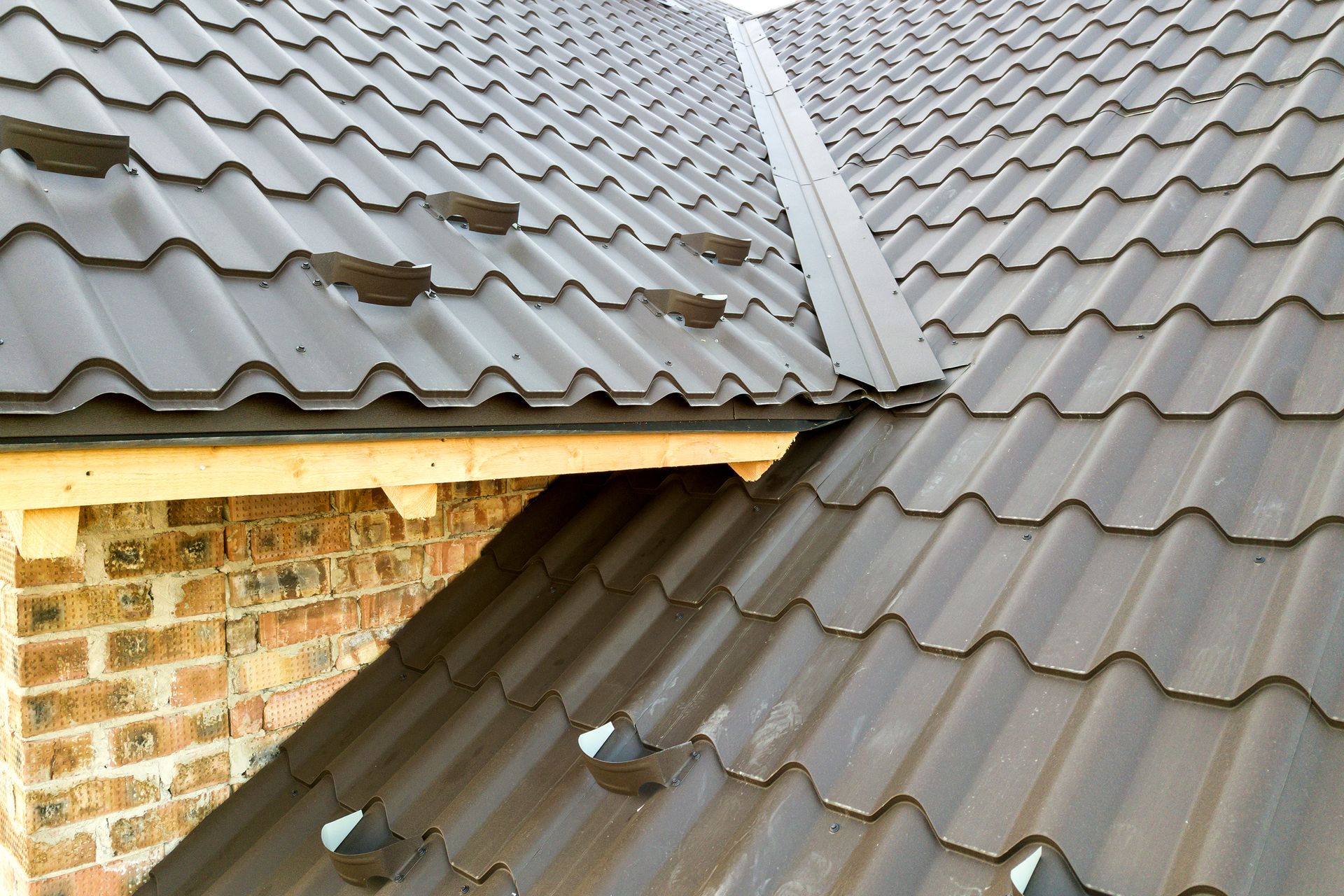
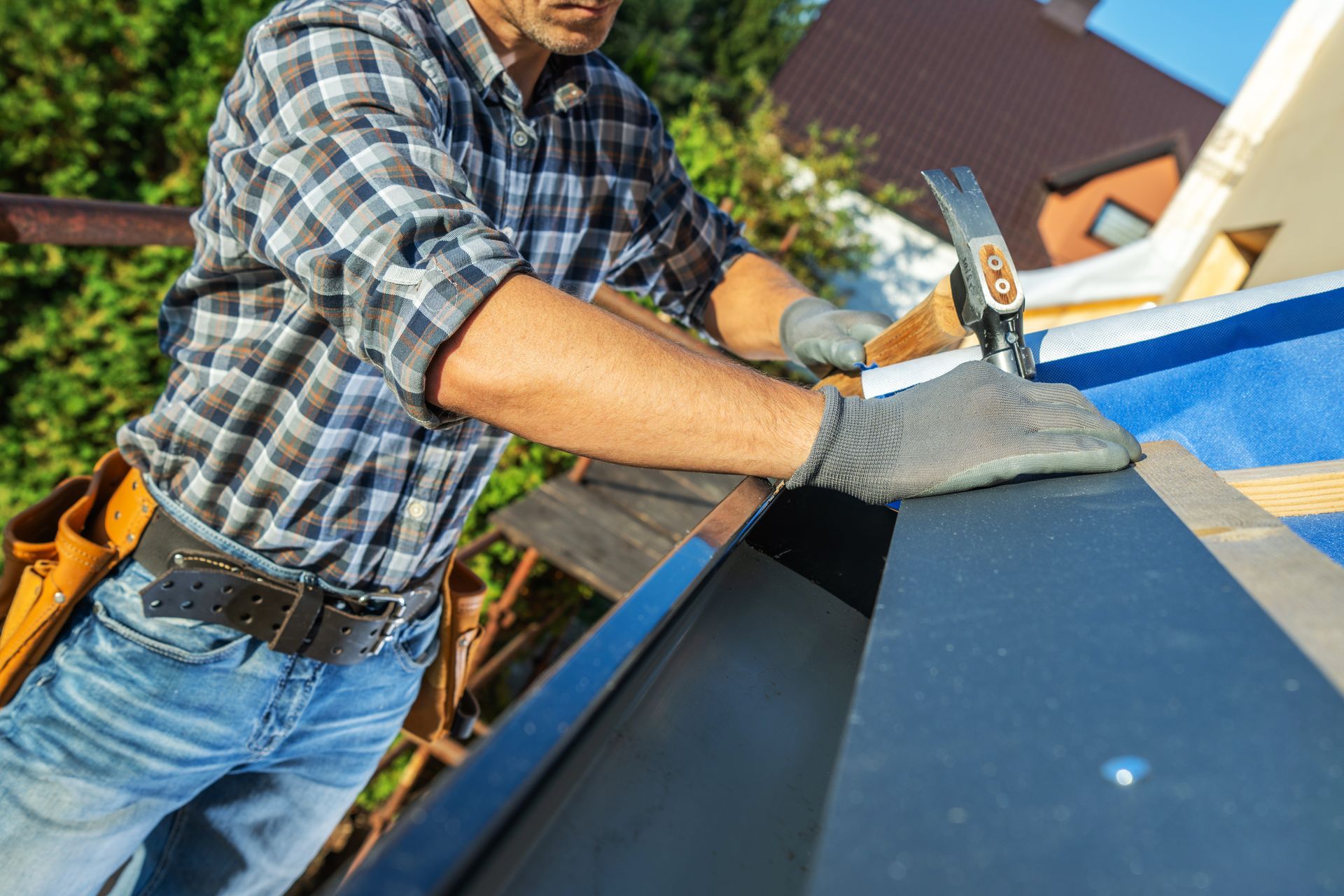
A drip edge is a piece of metal flashing installed along the edges of a roof. Its job is simple: control roof water runoff so water moves away from the roof deck, fascia, and soffit, and into the gutters.
A drip edge helps with:
- Roof edge flashing protection at vulnerable roof lines
- Fascia board protection so wood doesn't swell, rot, or peel
- Cleaner roof water drainage that reduces streaking and leaks
- Less chance of water wicking back under shingles
In most asphalt shingle systems, drip edge is standard at the roof perimeter because it's one of the most important roof edge protection components.
What Is a Rake Edge?
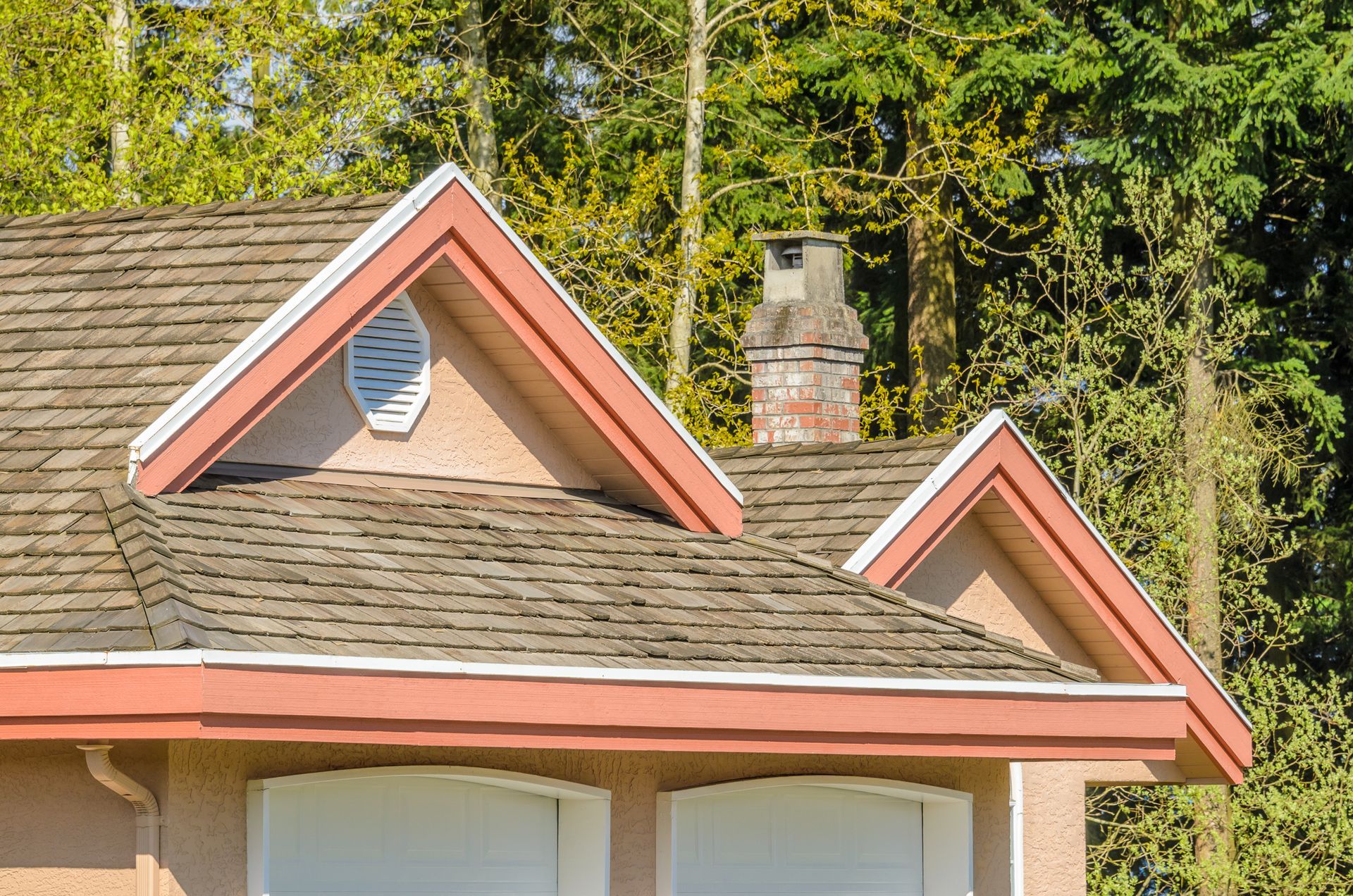
A rake edge is the sloped edge of a roof on the gable ends (the angled sides). When people say "rake edge," they're usually talking about the metal flashing used along that sloped edge, often the same type of metal as drip edge, just installed on a different part of the roof.
So, "rake edge" is more about location, while "drip edge" is the product (the metal flashing). The wording can be confusing, but the goal is the same: protect the edge and guide water away.
Why These Components Matter in Roofing
Your roof edges take a beating in Connecticut. Rain, wind, ice, snow melt, and freeze-thaw cycles all hit the perimeter first. Without proper edge metal, water can get behind shingles and soak the wood below.
When roof edges aren't protected, you can end up with:
- Soft or rotting fascia and soffit
- Peeling paint and warped trim
- Water stains near exterior walls
- Mold or musty smells in attics
- Early shingle failure at the edges
Edge metal is one of those "small parts" that can decide whether a roof lasts 10 years or 25+. If you're experiencing issues, our roof leak repair services can help identify edge flashing problems before they become major structural issues.
Key Differences Between Drip Edge and Rake Edge
Placement on the Roof
This is the clearest difference between drip edge and rake edge:
- Eaves are the horizontal, lower edges where gutters usually sit.
- Rakes are the sloped edges on the gable ends.
You typically need metal flashing at both areas because water behaves differently at each edge, especially during wind and storms. To learn more about roof terminology, check out our guide on what the edge of a roof is called.
Functional Purpose
At the eaves, the main goal is to move water cleanly into the gutter and protect the roof deck and fascia.
At the rakes, the main goal is to block wind-driven rain from getting under shingles at the sloped edge and to protect the wood and roofing layers underneath.
Both edges deal with runoff, but rakes often see more wind pressure, and eaves often see more ice and standing water from snow melt. Connecticut winters can be particularly harsh, which is why we recommend reading our article on ice dam prevention to protect your roof edges year-round.
Material and Design Variations
Most roof edge metal is made from:
- Aluminum
- Galvanized steel
- Copper (less common, higher cost)
Common design features include a small "kick" or bend that helps water drip away from the fascia instead of clinging to it. Some styles also have a hemmed edge for strength and safety.
The "right" choice often depends on your roof type, your gutter setup, and how harsh the exposure is on that side of the home. For homes needing complete roofing overhauls, consider our roofing services which include proper edge flashing installation.
Connecticut Building Code Requirements for Roof Edges
CT Code Compliance for Drip Edge Installation
Connecticut uses a state building code that aligns closely with widely used residential building standards. For most asphalt shingle roofs, drip edge is commonly required at the roof perimeter, and inspectors often look for proper edge metal at both eaves and rakes.
Just as important as having drip edge is how it's installed. The layering order matters because the roof works like a water-shedding system, each layer should overlap the next to guide water out.
A widely accepted best practice (and commonly enforced standard) is:
- Along eaves: underlayment goes over the drip edge
- Along rakes: drip edge goes over the underlayment
That detail helps prevent water from getting under the roofing layers during heavy rain and wind.
Because codes can vary by town and project type, always treat your local building department as the final authority, especially if you're pulling permits for a roof replacement.
CT Code Requirements for Rake Edge Flashing
At the rakes, the goal is tight edge control and wind resistance. In many CT inspections, the rake edge metal is expected to be present, fastened correctly, and integrated the right way with underlayment and shingles.
Even when someone calls it "rake edge," it's usually still a form of drip edge or edge metal flashing. What matters is that it's installed in a way that blocks wind-driven water and supports the shingle edge so it doesn't lift.
Permits and Inspection Considerations
In Connecticut, many roof replacements require permits, and inspections may look at details that homeowners don't notice, like:
- Edge metal installed at eaves and rakes
- Correct layering with underlayment and ice-and-water protection
- Proper fastening (nails placed correctly and spaced well)
- Neat overlaps at seams
- Compatibility with the roof covering manufacturer's requirements
If the roof edge system doesn't match accepted installation standards, it can cause inspection delays, or worse, it can shorten the life of the roof.
Best Practices for Installation in Connecticut Homes
Installation at Eaves vs Rakes
The biggest "make-or-break" detail is the order of layers. Here's the simple way to think about it:
At the eaves, you want water to run from shingles → underlayment → drip edge → into the gutter.
At the rakes, you want water to run from shingles → drip edge → off the roof edge, without being pushed under the underlayment by wind.
That's why the layering is typically different between eaves and rakes.
Other best practices that matter in CT:
- Use corrosion-resistant metal that can handle wet, salty air (especially near the shoreline)
- Make sure the drip edge extends far enough so water clears the fascia cleanly
- Overlap joints to shed water instead of catching it
- Fasten securely to resist wind uplift
For comprehensive protection, consider pairing proper edge flashing with our gutter installation services to ensure complete water management.
Avoiding Common Mistakes
Many roof edge leaks aren't caused by "bad shingles." They're caused by small edge errors.
Common mistakes we see include:
- No drip edge at all (water goes behind gutters or into fascia)
- Wrong layering order (water sneaks under the underlayment)
- Gaps at seams or corners where water can enter
- Nails placed too high or too far apart
- Metal that's bent, crushed, or too short to do its job
- Relying on caulk alone instead of correct overlaps and fastening
If you see peeling paint on fascia, water streaks behind gutters, or rotting wood near the roofline, edge flashing is a top suspect. Our roof repair services can diagnose and fix these issues quickly.
Integration with Gutters, Fascia, and Roofing Materials
Edge metal is not "separate" from the rest of the roof system. It needs to work with:
- Gutters (so water drops in cleanly)
- Fascia boards (so wood stays dry)
- Soffits (so airflow and structure stay protected)
- Underlayment and ice barrier (so water can't back up into the roof deck)
In CT, ice and snow melt can push water backward. That's why the connection between roofing moisture barrier layers and edge flashing matters so much. When the roof perimeter is built correctly, it handles heavy rain and winter conditions far better. Learn more about proper ventilation in our article about what a soffit vent is.
Choosing the Right Edge Flashing for Your Roof
Weather Conditions in Connecticut
Connecticut roofs deal with:
- Wind-driven rain in storms
- Snow loads and ice buildup
- Freeze-thaw cycles that open tiny gaps over time
Because of that, strong edge metal and correct installation are not optional details. They're part of building a roof that doesn't surprise you later.
If your home is exposed (open lots, hilltops, coastal wind), rake edge protection becomes even more important. Winter can be especially brutal, read our guide on how to prevent ice dams and roof leaks for additional protection strategies.
Roof Pitch and Architecture Considerations
Roof shape changes the way water moves:
- Steeper roofs shed water faster, but wind can push rain under edges
- Lower slopes may hold water longer at the eaves
- Complex rooflines have more corners and transitions where flashing details matter
A clean install with the right overlaps and fastening is often more important than the "fanciest" metal. For flat or low-slope roofs, check out our flat roofing services which require specialized edge detailing.
Long-Term Protection and Warranty Factors
Many roofing manufacturers expect edge metal to be installed as part of a complete system. Even beyond code and inspections, it's a smart move for long-term value.
Proper edge flashing helps:
- Reduce rot and trim repairs
- Prevent hidden deck damage
- Support shingle edges so they don't curl or lift
- Keep gutters working better by guiding runoff where it belongs
If you're investing in a new roof, it's worth making sure the edge details are done right the first time. Wondering about costs? Our article on how much a roof replacement costs in CT breaks down pricing factors, including proper flashing installation.
Final Thoughts: Getting It Right the First Time
When it comes to drip edge vs rake edge, the best answer is: you typically need protection at both eaves and rakes, and the real "secret" is correct installation. The metal itself is important, but the layering, fastening, and integration with your roof system is what keeps water out.
If you're planning a roof replacement, or if you're seeing stains, rot, or leaking near your roofline, edge flashing is one of the first places to check. A small fix at the perimeter can prevent a much bigger repair later.
If you're not sure whether your roof edge metal is installed correctly, a quick inspection can usually tell the story. Carden Home Improvement serves homeowners across Connecticut and can help you spot the cause of roof-edge leaks before they turn into structural damage. If you'd like a professional opinion on your drip edge, rake edge flashing, or roof perimeter details,
contact us to schedule an inspection.
Frequently Asked Questions
Is drip edge required by code in Connecticut?
Yes, drip edge is commonly required for most asphalt shingle roof installations in Connecticut. The state building code aligns with widely accepted residential standards that mandate proper edge metal at both eaves and rakes. However, specific requirements can vary by municipality, so always check with your local building department when pulling permits for a roof replacement.
Can I install drip edge myself, or should I hire a professional?
While drip edge installation might seem straightforward, the layering order is critical and easy to get wrong. Incorrect installation, such as reversing the underlayment sequence at eaves versus rakes, can lead to water infiltration, fascia rot, and voided manufacturer warranties. Unless you have roofing experience and understand CT code requirements, professional installation is the safer investment to protect your home long-term.
What happens if my roof doesn't have a drip edge?
Without a drip edge, water can run directly behind your gutters and soak into the fascia board, roof deck, and soffit. Over time, this causes wood rot, peeling paint, water stains on exterior walls, and potential mold growth in your attic. You may also experience premature shingle failure at the roof edges due to water wicking back under the shingles during heavy rain or ice melt.
How much does it cost to add a drip edge to an existing roof?
Adding a drip edge to an existing roof requires lifting the first course of shingles, which increases labor costs compared to new construction. For a typical Connecticut home, expect to pay between $3–$7 per linear foot installed, depending on roof accessibility, pitch, and whether any fascia repair is needed. While it's an added expense, it's far less costly than repairing rotted fascia or roof deck damage down the line.
Does drip edge help prevent ice dams?
Drip edge alone won't prevent ice dams, but it plays a supporting role in your roof's water management system. Proper drip edge installation helps water drain cleanly off the roof and into gutters, reducing the likelihood of standing water that can freeze at the eaves. For comprehensive ice dam prevention in Connecticut, you'll also need adequate attic insulation, ventilation, and potentially ice-and-water barrier underlayment at vulnerable areas.