How to Prevent Ice Dams and Roof Leaks This Winter

Why trust this guide: Our roofing team is licensed, insured, and trained in cold-climate roof diagnostics. We handle winter leak calls every year, perform attic inspections for heat loss, and install code-compliant ventilation and ice/water barriers. This hands-on experience guides the clear, practical steps below. You’ll get quick answers first, then deeper details so you can prevent ice dams and roof leaks with confidence.
What Are Ice Dams and Why Do They Cause Roof Leaks?
Ice dams form when heat escapes into the attic, warms the roof deck, and melts snow. The meltwater runs down to the colder eaves and refreezes, creating a "dam." Water pools behind the dam and backs up under shingles, causing roof leaks and indoor water damage.
How Ice Dams Form
- Warm air from the home leaks into the attic.
- The roof deck warms; snow melts high on the roof.
- Water flows to the cold eaves and gutters.
- It refreezes into a ridge of ice, an ice dam.
- More meltwater pools behind the dam and finds its way under shingles and into the house.
Common Signs of Ice Dam Problems
- Icicles forming along eaves and gutters.
- Water stains on ceilings or upper walls.
- Peeling paint near exterior walls or soffits.
- Damp insulation or a musty smell in the attic.
- Uneven snow melts bare patches high on the roof, heavy snow at the eaves.
Why Roof Leaks Often Follow Ice Dams
Shingles are designed to shed water flowing
down, not water forced
up by a dam. When water backs up, it can slip under the shingle edges, past underlayment, and through nail holes. Once inside, gravity carries it along rafters and drywall, showing up far from the actual entry point.
Key Causes of Ice Dams and Roof Leaks
The short answer: Heat loss + poor airflow + drainage issues. Fix those, and you greatly reduce ice dams.
Inadequate Attic Insulation
Too little insulation allows heat to escape into the attic, warming the roof deck. Proper attic insulation and ventilation work together: insulation keeps heat in the living space; ventilation removes the small amount that still gets through.
Poor Attic Ventilation
Without steady air movement from soffit vents to ridge vents, warm air and moisture linger in the attic. That uneven temperature encourages snow melt high on the roof and refreezing at the eaves.
Air Leaks from the Living Space
Gaps around light fixtures, attic hatches, bath fans, ductwork, and chimneys allow warm, moist air to rush into the attic. This is a major driver of ice dam formation and condensation.
Roof Design and Drainage Issues
Complex valleys, low-slope areas, clogged gutters, and short or blocked downspouts slow drainage. When snow and meltwater sit near the eaves, they’re more likely to refreeze and build a dam.
How to Prevent Ice Dams and Roof Leaks
The short answer: Seal attic air leaks, increase insulation, improve ventilation, keep snow and gutters managed, and use protective underlayments during re-roofing.
Improve Attic Insulation and Air Sealing
- Air sealing attic leaks:
- Seal gaps around recessed lights (use IC-rated covers), bath fan housings, plumbing stacks, and the attic hatch.
- Use foam or caulk for small gaps; rigid foam and fire-safe sealants for larger penetrations.
- Add insulation to the right R-value:
- Target the recommended R-value for your climate zone.
- Insulate uniformly to avoid “hot spots” that melt snow in patches.
- Protect against moisture:
- Install or improve a vapor retarder where appropriate.
- Make sure bath and kitchen fans exhaust to the
outside, not into the attic.
Benefits: Less heat loss, more even roof temperatures, and fewer freeze-thaw cycles that drive ice dam formation.
Enhance Roof and Soffit Ventilation
- Balanced intake and exhaust: Pair continuous soffit vents (intake) with a ridge vent (exhaust) or properly spaced roof vents.
- Keep pathways open: Ensure insulation baffles at the eaves maintain clear airflow from soffits into the attic.
- Check for blockages: Painted-shut soffits, bird nests, or insulation stuffed into eave bays can choke off ventilation.
Goal: A steady, gentle airflow that keeps the roof deck cold and dry.
Clear Snow from the Roof Safely
- Use a roof rake from the ground to remove the first 3–4 feet of snow along eaves after storms.
- Work in small pulls to avoid damaging shingles.
- Avoid climbing on icy roofs safety first. For heavy loads or steep pitches, hire pros.
Why it works: Less snow means less meltwater to refreeze at the eaves.
Maintain Clean and Functional Gutters
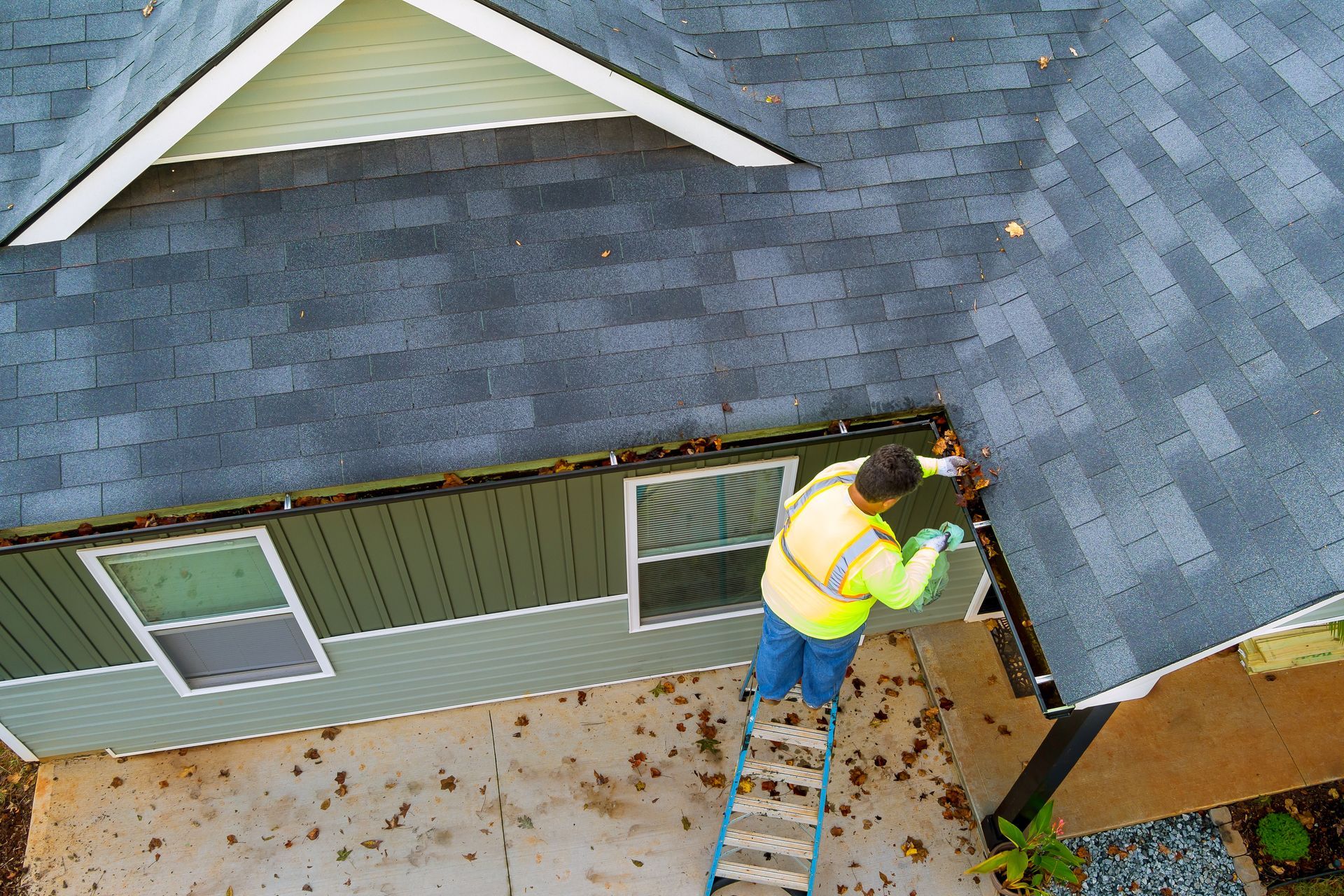
- Gutter maintenance / snow removal from roof: Clean leaves and debris in fall.
- Verify downspouts discharge well away from the foundation.
- Consider larger downspouts or heat-safe gutter guards that don’t trap snow.
- Make sure the
soffit vents aren’t blocked by gutter covers or insulation.
Why it matters: Clear gutters don’t cause ice dams by themselves, but they help meltwater drain efficiently instead of sitting and refreezing.
Use Ice and Water Shield During Re-Roofing
- Install a
self-adhered ice and water barrier along eaves, valleys, and other risk zones (per code and manufacturer guidelines).
- Combine with quality underlayment, correct shingle installation, and properly flashed penetrations.
Result: Extra protection against wind-driven and backed-up water during freeze-thaw cycles.
Temporary Solutions for Active Ice Dams
The short answer: Lower the risk fast, then fix root causes when conditions allow.
Use Roof Rakes to Remove Snow
- Rake the lower edge after each storm to reduce
snow buildup on the roof.
- Don’t chip or pry ice this damages shingles.
Create Drainage Channels in the Ice
- If safe access is possible, a professional can carefully cut a small channel through the dam to let pooled water drain.
- This is a stopgap, not a cure.
Use Safe De-Icing Products (Avoid Salt)
- Avoid rock salt. It's harsh on shingles, metal, plants, and concrete.
- If a de-icer is needed, ask a roofing professional about roof-safe options and application methods that won’t damage materials.
When to Call a Professional Roofer or Contractor
The short answer: If you see interior leaks, large icicles, thick dams, or can’t safely remove snow, call a pro.
Signs You Need Professional Ice Dam Removal
- Active water stains or dripping indoors (ceiling, walls, around windows).
- Large, heavy ice formations on eaves or gutters.
- Repeated leaks in the same area each winter.
- Inaccessible or steep roofs where DIY isn’t safe.
A professional can steam-remove ice dams, check underlayment, inspect ventilation and roof drainage, and assess attic insulation.
Long-Term Repairs That Require Expert Help
- Attic insulation and ventilation upgrades, including adding baffles and improving ridge/soffit systems.
- Air sealing around chimneys, can lights, and bath fans with the right fire-safe materials.
- Re-roofing with
ice and water shield at eaves, valleys, and transitions.
- Correcting design issues that trap snow or channel meltwater into valleys.
Protect Your Home Before the Next Snowfall
Quick checklist to prevent ice dams and roof leaks:
- Seal attic air leaks around fixtures, ducts, stacks, and the hatch.
- Bring attic insulation up to the recommended R-value for your region.
- Confirm balanced attic airflow: open
soffit vents + ridge or roof vents.
- Rake the lower roof edge after storms to manage snow.
- Keep gutters and downspouts clean for better
roof drainage.
- Plan ahead for an ice and water shield upgrade at your next re-roof.
Why this works: These steps keep the roof deck cold, limit heat loss, and reduce the freeze-thaw cycle that ice dam causes in the first place. They also cut the risk of water damage, protect finishes inside your home, and extend overall roof maintenance life.
Key Terms You’ll See in This Guide (and Why They Matter)
- Air sealing attic leaks: Stops warm, moist indoor air from entering the attic.
- Attic insulation and ventilation: Insulation keeps heat in; ventilation carries away any that gets into the attic so the roof stays cold.
- Roof rakes & gutter cleaning: Simple homeowner steps that help manage snow and meltwater at the eaves.
- Ice dam removal: A professional service often with steam to safely melt and clear thick ice without harming shingles.
- Winter roof care: Regular checks, safe snow management, and preventive upgrades that keep your home dry all season.
- Roofing contractor: A licensed pro who can diagnose the whole system roof, attic, and ventilation, not just the surface ice.
Ready to Prevent Ice Dams for Good?
Get a fast, winter-ready roof and attic assessment from Carden Roofing. We’ll identify air leaks, check insulation and ventilation, and give you clear, no-pressure next steps.
Contact us or request an inspection to stay leak-free this winter.
Frequently Asked Questions About Ice Dams
Can I prevent ice dams without replacing my roof?
Yes. Most ice dam prevention happens in your attic, not on your roof. Sealing air leaks, adding insulation, and improving ventilation address the root cause—heat escaping into the attic. These upgrades work with your existing roof and dramatically reduce ice dam risk. When you do eventually re-roof, adding ice and water shield at the eaves provides an extra layer of protection.
Will cleaning my gutters stop ice dams from forming?
Clean gutters help water drain efficiently, but they don't prevent ice dams. Ice dams form because heat from inside your home melts snow on the roof deck, and that meltwater refreezes at the cold eaves—regardless of gutter condition. Focus on keeping your roof deck cold through proper insulation and ventilation. Clean gutters are still important for overall drainage and preventing other water issues.
How much snow needs to be on my roof before ice dams become a problem?
It depends on how much heat is escaping into your attic. Homes with poor insulation or significant air leaks can develop ice dams with just a few inches of snow during freeze-thaw cycles. Well-insulated, properly ventilated attics can handle much heavier snow loads without issue. If you notice icicles forming or uneven snow melt patterns after light snowfall, that's a sign your attic needs attention.
Is it safe to remove ice dams myself?
Removing snow with a roof rake from the ground is safe and effective. However, chipping away at formed ice dams is risky—you can easily damage shingles, hurt yourself on a slippery roof, or cause sudden water release into your home. Professional ice dam removal services use low-pressure steam to safely melt ice without damaging your roof. If you have active leaks or heavy ice buildup, call a professional.
Do metal roofs prevent ice dams?
Metal roofs shed snow more easily than asphalt shingles, which can reduce ice dam formation. However, if your attic is losing heat, snow will still melt on a metal roof and refreeze at the eaves. Metal roofing helps but isn't a complete solution—you still need proper attic insulation, air sealing, and ventilation. The good news is that metal roofs are less vulnerable to damage if water does back up under the panels.