Roof Flashing Repair: Signs It's Failing and What to Do

At Carden Roofing, we have spent years helping homeowners in Connecticut deal with roof problems, including damaged and failing flashing. Our team has repaired and replaced flashing on hundreds of roofs across Bristol, Hartford, Southington, and the surrounding areas, so we know exactly what to look for and how to fix it the right way. In this guide, we share clear, straight-to-the-point answers to help you spot flashing problems early, understand what causes them, and know when it's time to call a pro.
What Is Roof Flashing and Why It Matters
The Role of Flashing in Preventing Roof Leaks
Roof flashing is thin metal sheeting (usually aluminum, galvanized steel, or copper) that seals the joints and edges where your roof meets walls, chimneys, vents, and skylights. Its main job is to keep water out. Without it, rain and melting snow would seep right into your home at every vulnerable point.
Think of flashing as a water barrier. When it works well, it sends water safely down and off your roof. When it fails, water finds a way inside, and the damage can be costly.
Common Areas Where Roof Flashing Is Installed
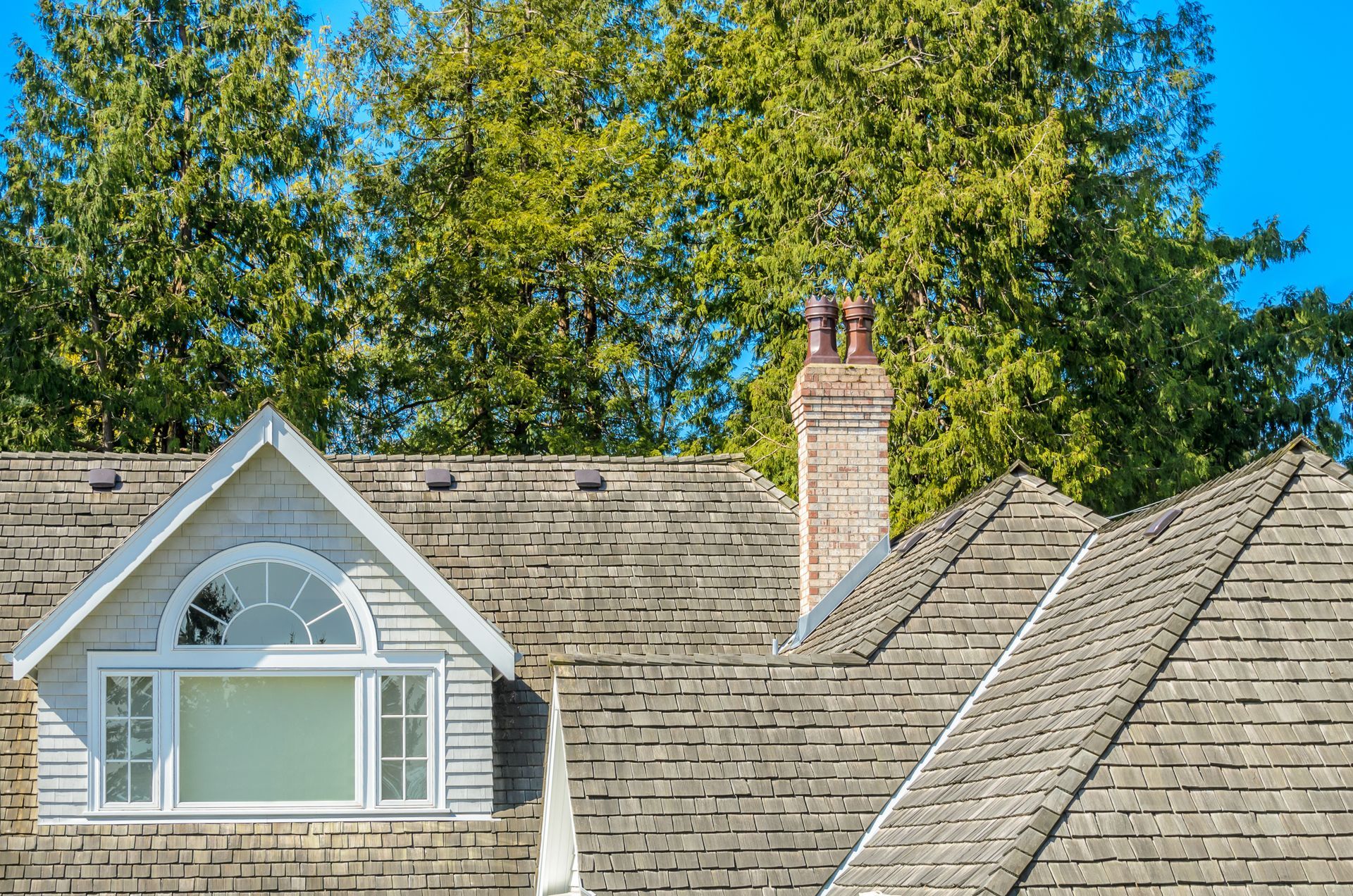
Flashing is placed wherever the roof surface meets another structure or changes direction. You'll find it in these common locations:
- Around chimneys (step flashing and counter flashing)
- Around skylights and vent pipes
- Along roof valleys where two slopes meet
- At roof-to-wall intersections
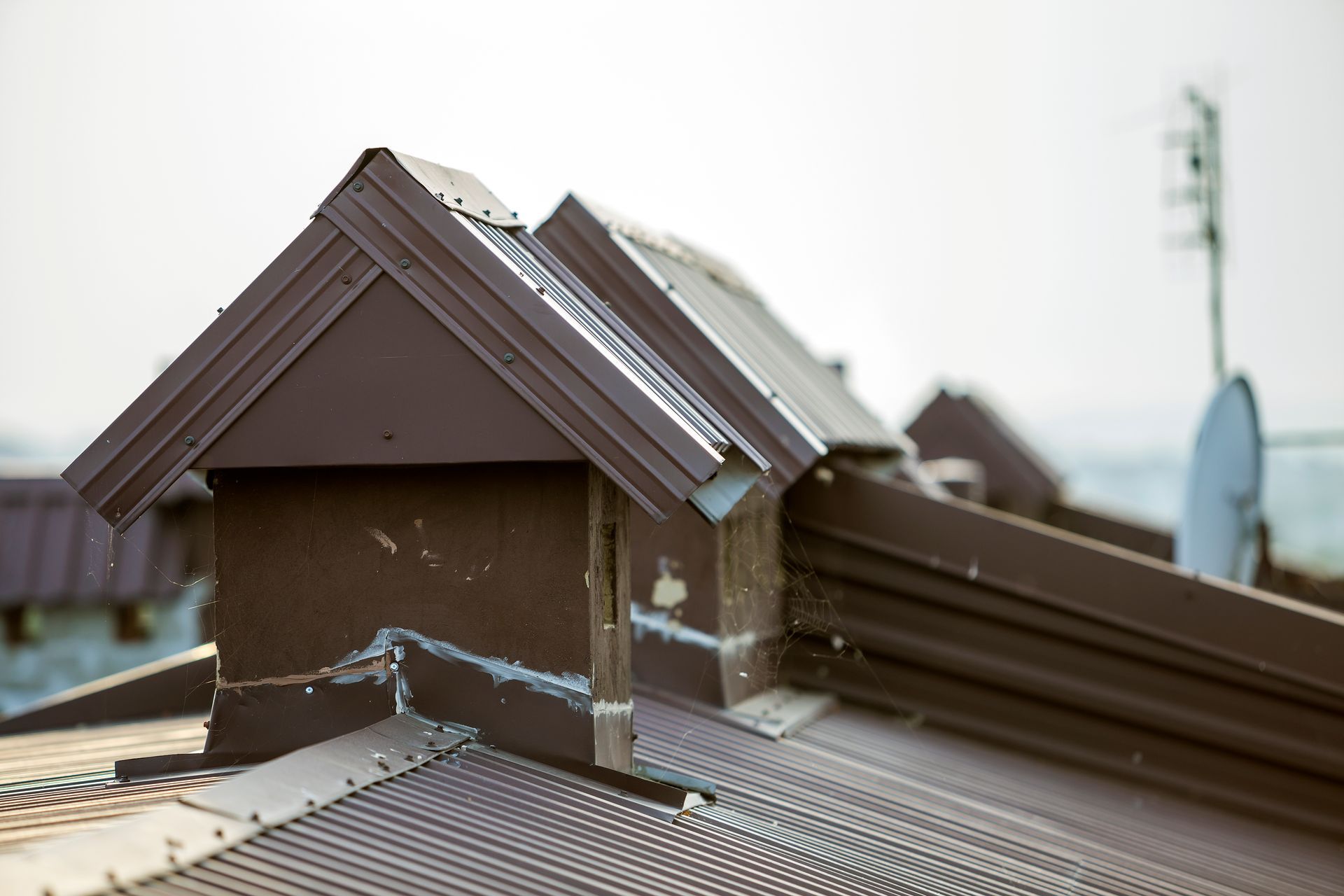
- Around dormer windows and plumbing vents
Signs Your Roof Flashing Is Failing
Visible Rust, Cracks, or Corrosion
One of the clearest signs of flashing failure is rust, cracks, or corrosion on the metal. Over time, weather and moisture break down the material. If you can safely see your roof, look for orange-brown stains, pitting, or cracks in the flashing strips. Corroded flashing can no longer seal properly and needs to be replaced.
Water Leaks or Interior Water Stains
Brown or yellow stains on your ceiling, especially near chimneys, vents, or exterior walls, often point to flashing failure. Water that gets past bad flashing travels along rafters before showing up inside. Don't ignore a stain, even a small one. It usually means water has been getting in for a while. If you're already seeing leaks inside your home, our roof leak repair page covers what to expect from the repair process.
Loose or Missing Flashing Sections
High winds, ice, and age can cause flashing to pull away from the roof or fall off entirely. If you notice bent, lifted, or missing pieces of metal around your chimney or vent pipes, that's an immediate problem. Even a small gap gives water a direct path into your roof system.
Mold, Mildew, or Rot Around Roof Penetrations
Mold or rot around the base of a chimney, skylight, or vent pipe is a red flag. These issues usually mean moisture has been seeping in for some time, often because the flashing seal has broken down. If you have a skylight that's leaking, the flashing around it is almost always the first thing to inspect. Left untreated, this can lead to structural wood damage.
Damaged Sealant or Gaps Around Flashing
Roof flashing is often sealed with caulk or roofing sealant. Over time, that sealant dries out, cracks, and pulls away. If you see gaps between the flashing and the surrounding surface, or notice old, crumbling sealant, water can easily get through even if the metal itself looks okay.
Common Roof Flashing Problems Homeowners Face
Poor Installation or Improper Sealing
One of the most common causes of flashing failure is improper installation. If flashing wasn't overlapped correctly, fastened securely, or sealed at the edges during the original roof installation, it will fail sooner than it should, sometimes within just a few years.
Weather Damage and Aging Materials
Years of sun, rain, wind, and freezing temperatures wear down flashing materials. Even quality metal can crack, warp, or corrode after enough exposure. Connecticut winters are especially hard on roofing components. Ice, freeze-thaw cycles, and heavy snow all accelerate wear. Older homes with original flashing that has never been replaced are especially at risk.
Thermal Expansion Causing Separation
Metal expands in heat and contracts in cold. Over time, this constant movement can loosen the seals around flashing, causing it to separate from the roof surface or the surrounding structure. This is very common around chimneys, which is a problem we cover in depth on our chimney flashing leak page.
Debris Buildup and Water Pooling
Leaves, dirt, and debris can build up around flashing, especially in roof valleys. This holds moisture against the metal and speeds up corrosion. It can also block water flow, causing pooling that puts extra pressure on the flashing seals.
Roof Movement and Structural Shifts
Homes naturally settle over time. As the roof structure shifts slightly, flashing joints can open up or crack. This is more common in older homes, but can happen to any structure after a major storm or significant temperature swing.
What Causes Roof Flashing to Fail
Harsh Weather Conditions and Storm Damage
Heavy rain, hail, and strong winds put a lot of stress on your roof's flashing. A single severe storm can loosen or damage flashing that was otherwise in decent shape. After any major storm, it's a good idea to have your roof checked. If you've recently had hail, our hail damage repair page explains what that inspection should cover.
Low-Quality Materials or Workmanship
Not all flashing is made the same. Thin, low-grade metal fails faster than heavier-gauge material. Likewise, flashing installed without proper technique (wrong overlap, wrong fasteners, or inadequate sealant) won't hold up as long as it should.
Lack of Regular Roof Maintenance
Most homeowners don't think about their roof until something goes wrong. Without routine inspections, small flashing issues like a loose edge or a cracking sealant bead go unnoticed until they turn into big water damage problems. If you're unsure how long your current roof has left, our guide on how long a roof should last in CT is a good starting point.
Improper Roof Design or Installation
Sometimes the root cause isn't age or weather. It's a design flaw. A roof that doesn't drain water efficiently, or flashing that wasn't sized or positioned correctly for the roof's slope and layout, will fail faster no matter how good the materials are.
How to Repair Roof Flashing
Temporary Fixes vs. Permanent Repairs
If you spot a small problem and can't get a roofer out right away, a temporary patch with roofing tape or sealant can help slow down water intrusion. However, these are short-term fixes only. A proper, lasting repair requires removing damaged flashing and replacing it with new material.
Sealing Small Cracks and Gaps
For minor cracks or small gaps around the flashing edges, a roofing-grade sealant or flashing cement can be applied to create a watertight seal. This works best when the underlying metal is still in good shape and the gap is small.
Replacing Damaged Flashing Sections
When a section of flashing is bent, rusted through, or has pulled completely away, it needs to be replaced, not just patched. A roofing professional will remove the damaged piece, check the area underneath for water damage, and install new flashing with proper overlaps and sealing.
When a Full Flashing Replacement Is Needed
If your home is older, or if the flashing has deteriorated across multiple areas, a full replacement may be the smarter choice. In some cases, widespread flashing failure is a sign that a broader roof repair is needed. Patching one area while leaving failing flashing elsewhere just delays the next leak.
When to Call a Professional for Roof Flashing Repair
Signs the Damage Is Beyond DIY Repair
If you see widespread rust or corrosion, multiple areas of missing flashing, water stains on your ceiling in more than one spot, or any sign of wood rot in your attic or framing, these are signs the problem is serious. These situations call for a trained roofer, not a weekend DIY fix.
Safety Risks of Attempting Repairs Yourself
Roof work is dangerous. Steep pitches, slippery surfaces, and working at height put homeowners at real risk of falls and injury. Even experienced DIYers should think carefully before getting on the roof. A professional has the right equipment and training to do the job safely.
Benefits of Hiring a Roofing Expert
A licensed roofing contractor doesn't just fix the flashing you can see. They inspect the surrounding area for hidden damage, ensure the repair meets building standards, and back their work with a warranty. If the damage happened suddenly after a storm, it may also be worth understanding what roof damage is covered by insurance before you call.
How to Prevent Future Roof Flashing Problems
Routine Roof Inspections and Maintenance
The best way to avoid major flashing repairs is to catch small problems before they grow. Schedule a professional roof inspection at least once a year, ideally in the spring after winter weather and again in the fall before the rainy season.
Keeping Roof Areas Clean and Clear
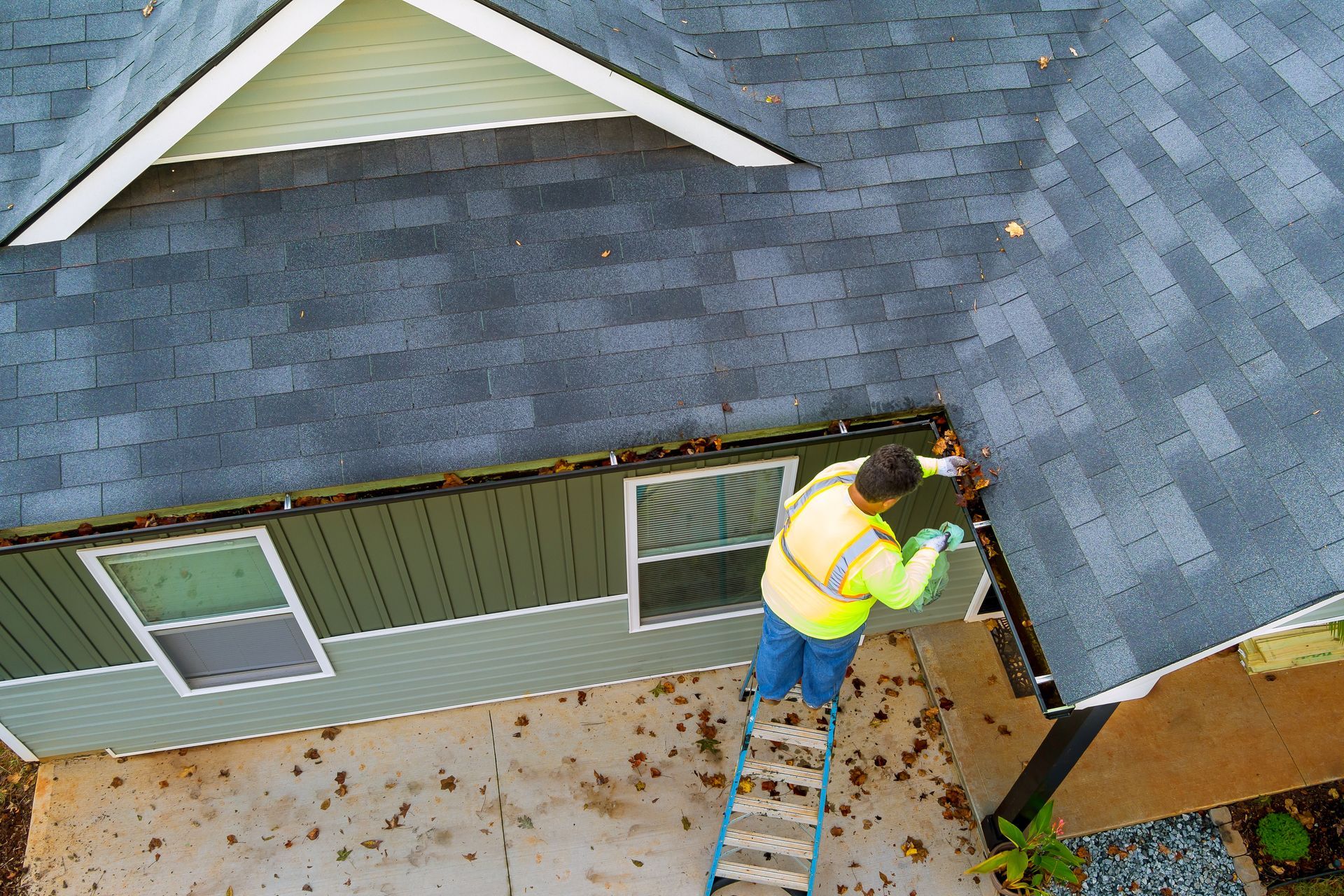
Clear debris from your roof valleys, gutters, and around any roof penetrations regularly. Leaves and dirt that pile up trap moisture and speed up flashing deterioration. Clean gutters also help water flow away from your home instead of backing up under the flashing. If your gutters need attention, our gutters page covers your options.
Choosing High-Quality Flashing Materials
When flashing is replaced, invest in quality materials. Heavier-gauge aluminum, galvanized steel, or copper flashing costs more upfront but lasts significantly longer than thin, budget-grade options. For a broader look at what holds up best in New England weather, see our guide on the best roofing materials for the Northeast.
Ensuring Proper Installation from the Start
Whether you're replacing flashing or getting a full new roof, proper installation is everything. Make sure your roofing contractor uses the right overlap dimensions, appropriate fasteners, and a compatible sealant. Getting it right the first time is always cheaper than repairing it later.
Protect Your Home with Expert Roof Flashing Repair
Roof flashing problems don't fix themselves. A small crack or loose piece of metal today can become a major water damage situation in just one rainy season. The earlier you catch it, the simpler and less expensive the fix.
At Carden Roofing, we have the experience and knowledge to assess your flashing, identify the root cause, and make lasting repairs across Bristol, Hartford, Southington, and all of Central Connecticut. If you've noticed any of the signs mentioned in this guide, don't wait. Contact us today for a professional roof inspection and get the protection your home deserves.
Frequently Asked Questions About Roof Flashing Repair
How long does roof flashing last?
Quality flashing made from copper or heavy-gauge galvanized steel can last 30 years or more when properly installed. Aluminum flashing typically lasts 20–30 years. However, the sealant around flashing often degrades in 10–15 years, particularly in Connecticut's freeze-thaw climate, and usually needs to be refreshed before the metal itself fails. That's why regular inspections matter even when your roof looks fine from the ground.
Can I repair roof flashing myself?
Small sealant touch-ups are manageable for a handy homeowner on a single-story, low-pitched roof. But anything involving loose metal, missing sections, or flashing around a chimney or skylight is best left to a professional. The risk isn't just doing it wrong. It's doing it wrong and not knowing it, only to find a water-stained ceiling six months later. When in doubt, get a professional set of eyes on it first.
How much does roof flashing repair cost?
Most flashing repairs fall in the range of $200–$600 depending on the location, the size of the damaged area, and the materials needed. Chimney flashing repairs tend to be on the higher end since they involve more labor and materials. A full flashing replacement across multiple areas of a roof can run $1,000 or more. The good news: catching it early almost always means a lower repair bill.
How do I know if my roof leak is from flashing or the shingles?
A good rule of thumb: if the leak appears near a chimney, vent pipe, skylight, or roof valley, flashing is the likely culprit. If water is coming in away from any penetration or transition point, damaged or missing shingles are more likely to blame. In many cases, a roofer will find both issues during an inspection, since the same storm or wear cycle that damages shingles often affects flashing too.
Does homeowner's insurance cover roof flashing repair?
It depends on the cause. If flashing was damaged by a sudden event such as a hailstorm, high winds, or a falling tree branch, most standard homeowner's policies will cover the repair. Damage caused by age, wear, or lack of maintenance is typically excluded. It's worth reviewing your policy and documenting any storm damage with photos before filing a claim. Our guide on what roof damage is covered by insurance walks through this in more detail.