Roof Replacement Cost in CT (2026 Guide)

If you're searching for roof replacement cost CT 2026, you probably want a real number you can plan around, without getting a sales pitch. We wrote this as CT roofers who see these costs (and surprises) firsthand. Carden Home Improvement is registered in Connecticut and our leadership team has 10+ years of home improvement experience, so this guide is based on what shows up on actual CT roofs: old decking, ice-dam protection needs, steep pitches, and tricky valleys.
CT Roof Replacement Costs at a Glance (2026)
Here's the fastest, most useful answer:
- In Connecticut, pricing is often quoted per "square" (a roofing square = 100 square feet of roof area). Many CT homeowners will also see price per square foot.
- CTInsider's research (based on local roofer input) puts the average roof replacement cost in CT around $925 per square, with a reported range of $650 to $1,400 per square.
- National guides commonly show broad ranges (often $4 to $11 per square foot) depending on material and roof factors.
Typical Price Ranges by Roof Size
Below is a planning table using CTInsider's per-square numbers. This is a helpful baseline for asphalt shingles on many homes, but your final cost can move up or down based on pitch, complexity, tear-off, decking repairs, and upgrades.
| Approx. Roof Size | Roofing "Squares" | Low Range ($650/sq) | Average ($925/sq) | High Range ($1,400/sq) |
|---|---|---|---|---|
| Smaller roof | 15 squares (1,500 sq ft roof area) | $9,750 | $13,875 | $21,000 |
| Mid-size roof | 20 squares (2,000 sq ft roof area) | $13,000 | $18,500 | $28,000 |
| Larger roof | 30 squares (3,000 sq ft roof area) | $19,500 | $27,750 | $42,000 |
Quick note: "Roof area" is not the same as your home's living area. Roof pitch adds surface area.
Cost per Square Foot vs Cost per "Square"
- 1 roofing square = 100 sq ft of roof (not floor space). Many CT permit forms use this same definition.
- To convert: Price per square ÷ 100 = price per square foot. Example: $925 per square ≈ $9.25 per sq ft (roof area).
What Most CT Homeowners End Up Paying (and Why)
A lot of CT homeowners land in a middle band because asphalt shingles are common, but the "extras" add up: tear-off, dumpster/disposal, ice & water protection, flashing work, and decking repairs found during demo.
Nationally, "mid-range" roof totals vary widely by size and material. For example, This Old House shows large ranges (like a 1,500 sq ft roof costing anywhere from about $5,200 to $18,000 depending on materials and location).
What Drives Roof Replacement Cost in Connecticut
Prices usually change for clear reasons. If you understand these, you'll understand your quotes.
Roof Size, Pitch, and Complexity
- Size: More roof area = more material + more labor.
- Pitch (steep-slope roof): Steeper roofs take longer, need more safety setup, and have more waste.
- Complexity: Valleys, dormers, multiple peaks, and tight details increase labor time and flashing needs.
Tear-Off vs Overlay (Second Layer)
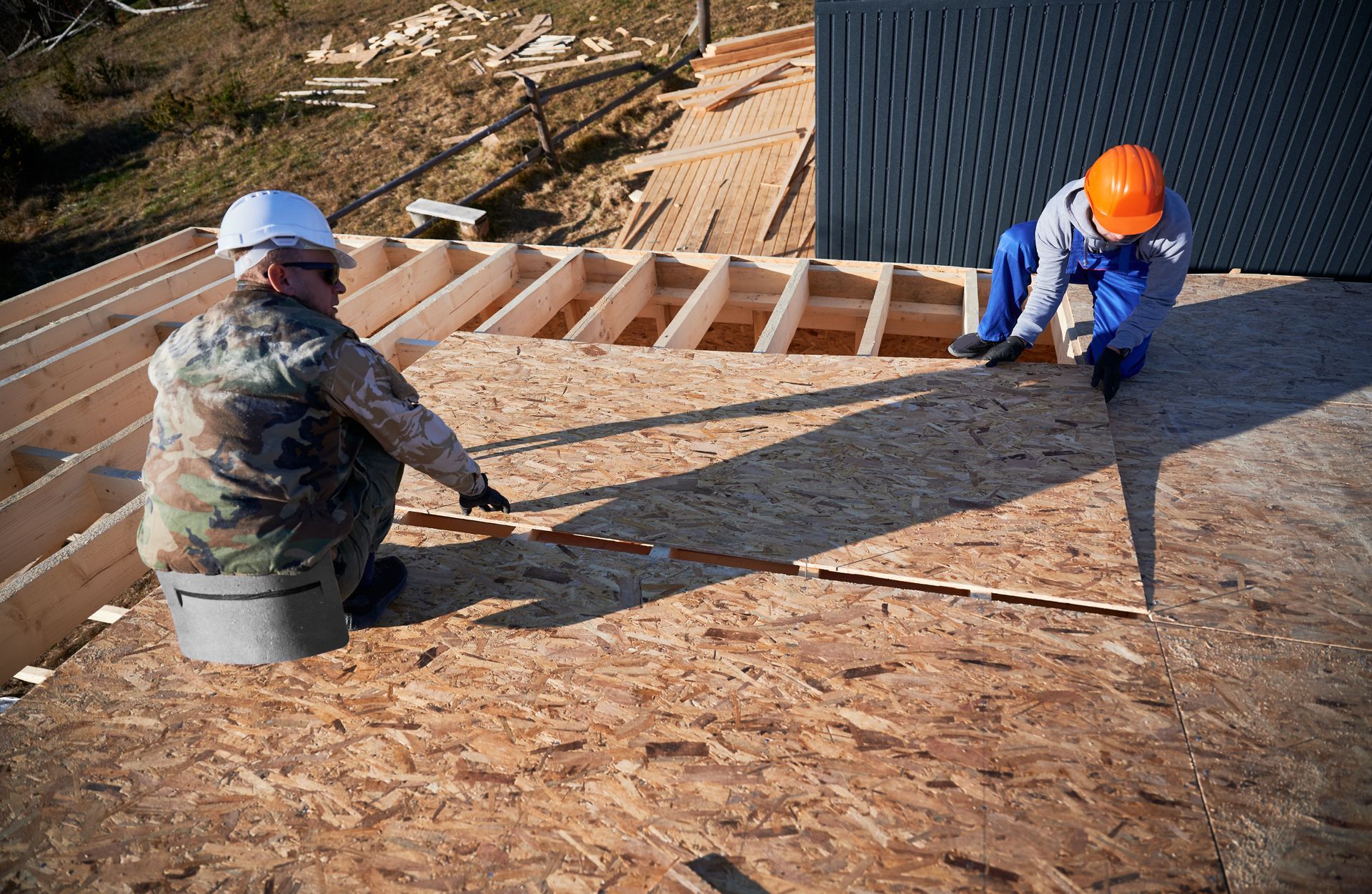
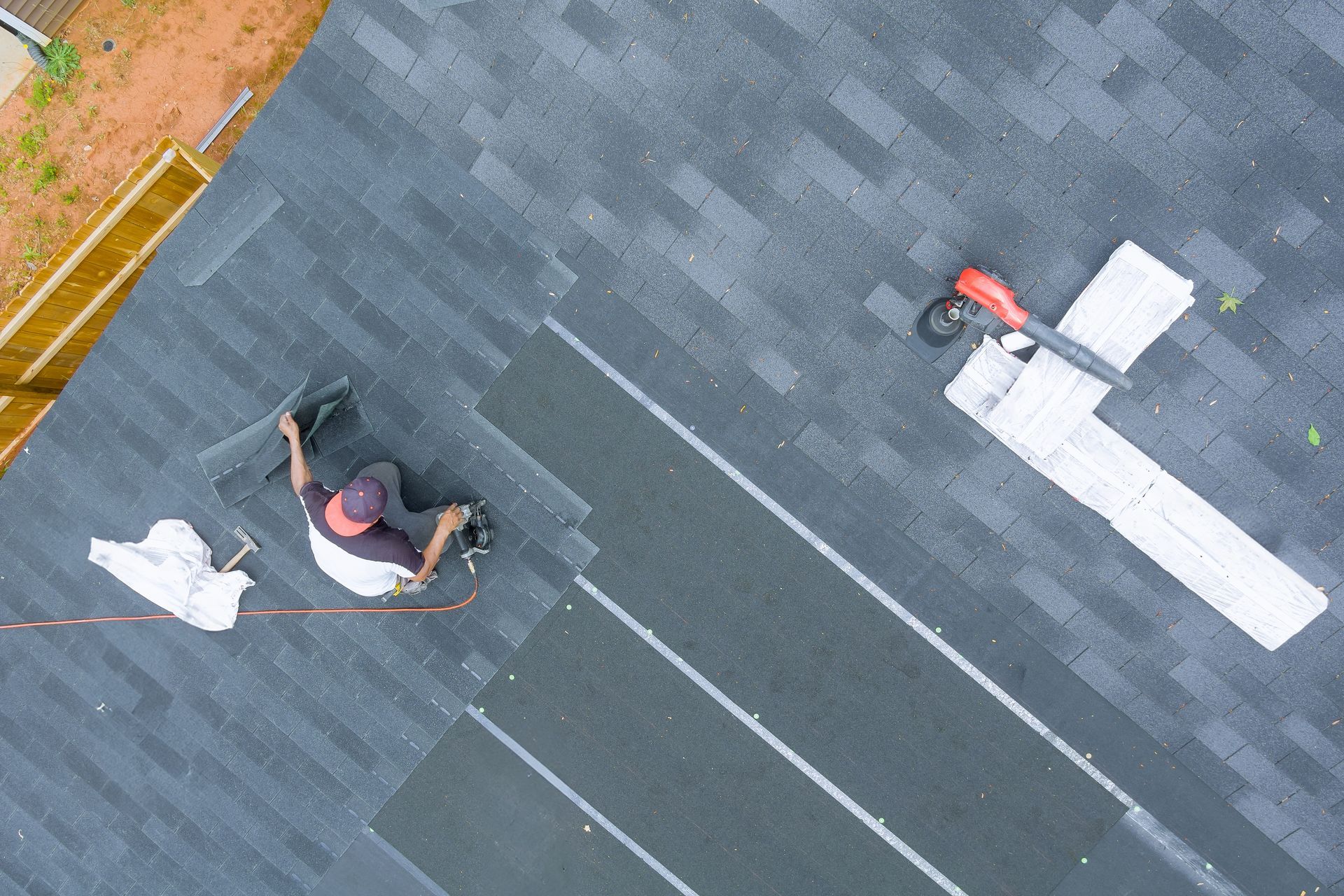
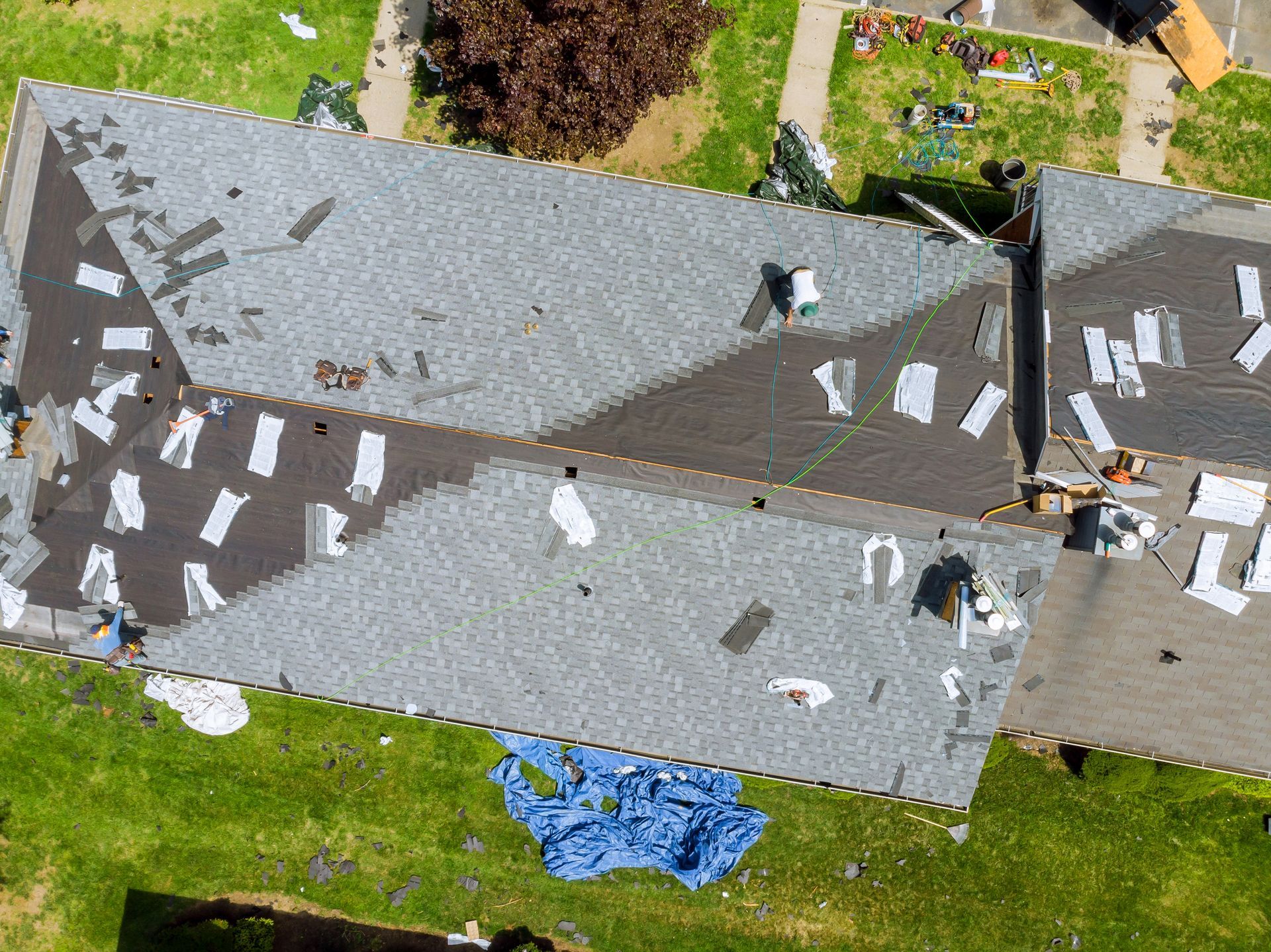
- Tear-off (remove old shingles) costs more up front, but it's often the smarter long-term move. It lets the crew inspect the roof deck and fix hidden damage.
- Overlay (a second layer) can be cheaper short-term, but it can hide problems and may not be allowed depending on local rules. Some CT permit documents note that "layer on layer" may be allowed but two layers is the maximum.
If you're wondering whether roofing over existing shingles makes sense for your home, see our detailed breakdown: Is It Okay to Roof Over Existing Shingles?
Labor Rates and Crew Time
Labor is a major part of cost. More time on the roof (steep pitch, complex layout, hard access) usually means higher pricing.
Permits, Inspections, and Code Requirements
Many CT towns require permits for roof replacement, and permit applications may ask how many squares are being replaced and whether ice & water barrier is included. Always confirm with your town's building department, requirements vary by municipality.
Disposal and Site Protection (Dumpster, Landscaping, Cleanup)
Quotes commonly include:
- Dumpster rental / haul-away
- Debris removal
- Magnetic nail sweep
- Protection for landscaping, siding, and walkways
Repairs Discovered During Tear-Off (Decking, Flashing, Rot)
This is one of the biggest "surprise" cost areas. Once shingles come off, crews may find:
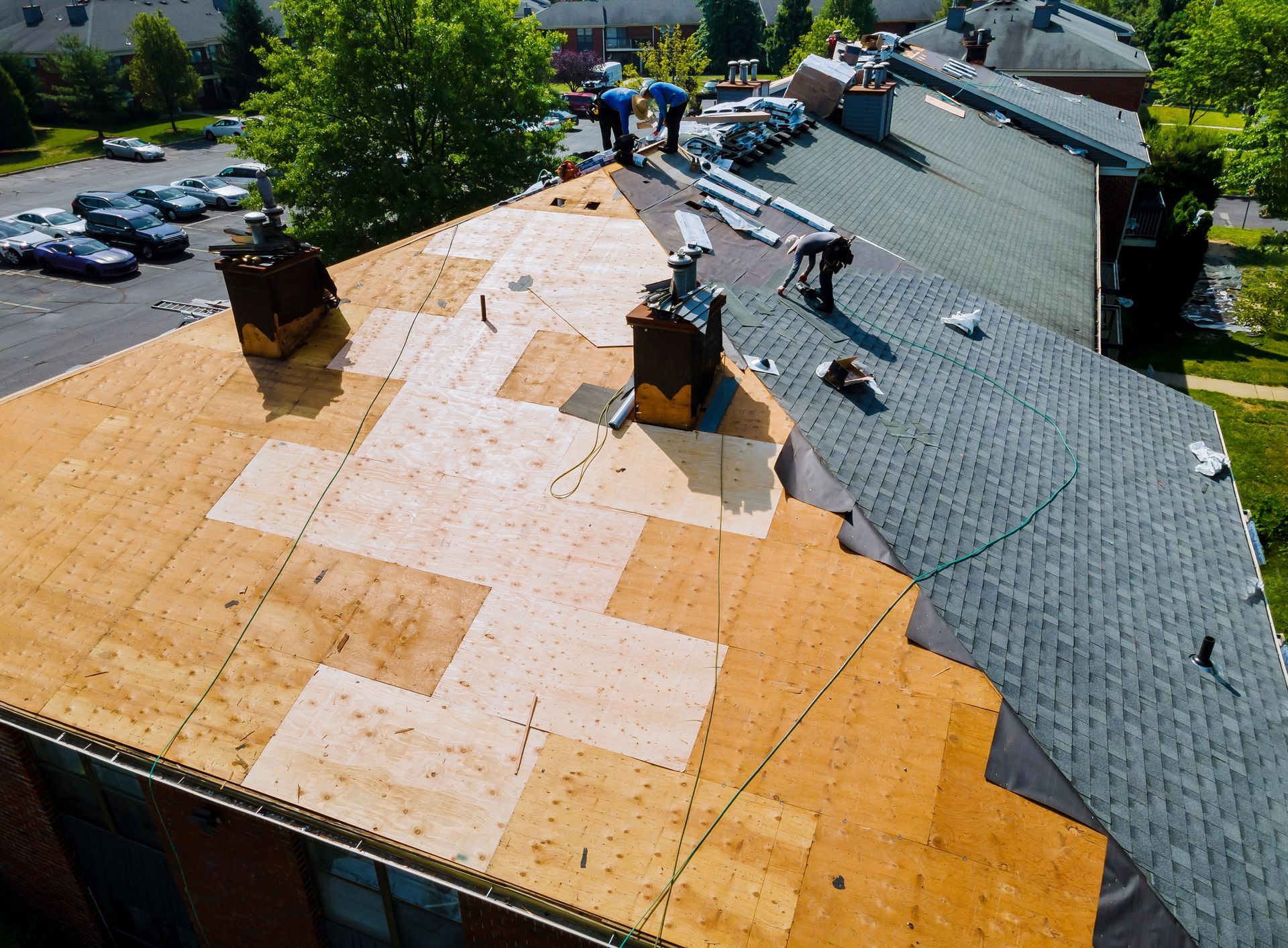
- Soft or rotted decking (plywood replacement)
- Bad flashing around chimneys/walls
- Moisture damage from old leaks
Cost by Roofing Material (CT Pricing Tiers)
Material choice can swing cost more than almost anything else. Below are pricing tiers, not exact quotes. For a broader look at which materials hold up best in New England conditions, see our guide on the best roofing materials for the Northeast.
Asphalt Shingles (3-Tab vs Architectural)
Asphalt is the most common option. This Old House suggests budgeting around $5,117 per 1,000 sq ft for asphalt shingles as a general planning figure, but costs vary by location and roof factors.
- 3-tab shingles: usually the budget end (less common on new installs today)
- Architectural shingles: thicker look, more common, often better wind ratings
- Premium asphalt shingles: higher-end profiles and warranties, higher cost
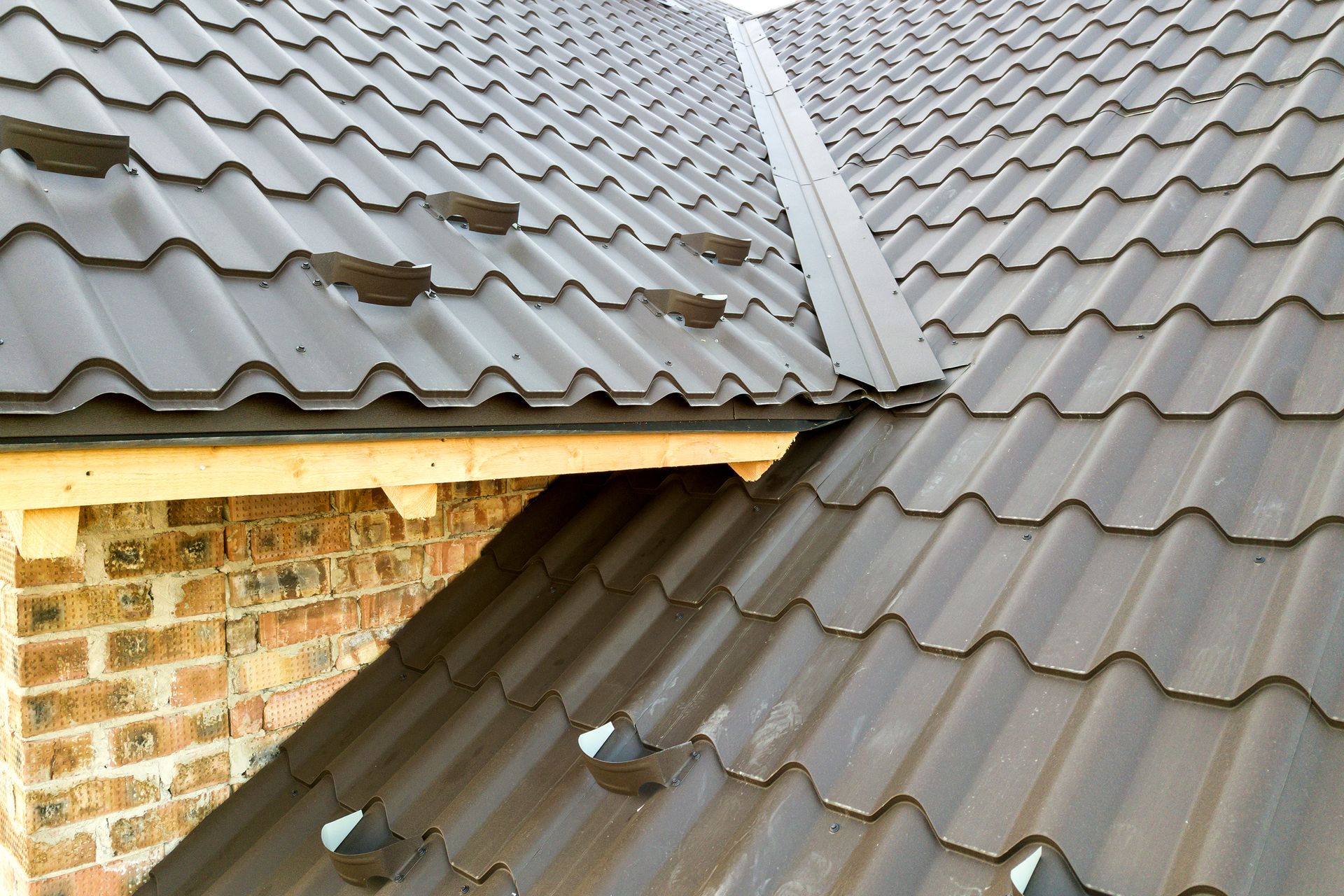
Metal Roofing (Standing Seam vs Exposed Fastener)
Metal often costs more up front but can last longer.
- Standing seam: cleaner look, concealed fasteners, typically higher cost
- Exposed fastener: usually lower cost, more visible screws
Price ranges vary a lot; national guides often list wide ranges for metal roofs per square foot depending on metal type and installation. See also: How Often Does a Metal Roof Need to Be Replaced?
Cedar/Wood Options
Wood shake or cedar shingles can be beautiful but are generally higher cost and can come with maintenance needs.
Slate and Tile (High-End Systems)
Slate, clay tile, and concrete tile are usually the high end due to weight, skill required, and material cost.
Flat/Low-Slope Systems for Portions of the Home (Where Applicable)
Some CT homes have low-slope sections (porches, additions). Flat roofing is priced differently than shingles, often by square foot and by application method.
Cost by Roof Style and Home Type in CT
Simple Gable Roofs
Gable roofs are often more cost-efficient because they're straightforward: fewer valleys, fewer tricky transitions, simpler airflow paths.
Hip Roofs and Complex Layouts (Valleys, Dormers)
More ridges and valleys means more cutting and waste, more flashing detail, and more labor time.
Cape, Colonial, Split-Level, and Multi-Section Roofs
Multi-section roofs can cost more because each section needs proper underlayment, flashing, and sometimes separate ventilation planning.
Homes with Chimneys, Skylights, and Multiple Penetrations
Every penetration (chimney, skylight, vent pipe) means extra flashing work, and more time. It also increases leak risk if details aren't done right. If you've dealt with chimney or skylight leaks before, our guides on chimney flashing leaks and skylight leak repair are worth a read before your next estimate.
Line-Item Breakdown: What Your Estimate Should Include
A good quote is specific. If it's vague, it's hard to compare.
Materials Package (Shingles/Panels, Underlayment, Ice & Water, Flashing)
Look for clear line items like:
- shingles/panels
- underlayment (felt or synthetic)
- ice & water shield / ice & water barrier
- drip edge
- flashing (step flashing, chimney flashing, pipe boots)
Ventilation Components (Ridge Vents, Intake, Baffles)
Ventilation isn't just "nice to have." It can affect moisture control, attic temps, and sometimes warranty requirements. Your quote should say what's being added or replaced:
- ridge vents / roof vents
- soffit venting (intake ventilation)
- baffles (to keep airflow paths open)
Labor and Installation Scope
Clear scope beats mystery scope. Good quotes explain:
- number of layers being removed
- what's being installed
- how flashing details are handled
Tear-Off, Haul-Away, and Disposal Fees
These should be spelled out. If they aren't, ask where the cost is captured.
Decking Replacement Allowances and Unit Pricing
This is huge. Even if your decking looks fine from the attic, surprises happen. Better estimates include:
- a per-sheet price for plywood replacement
- what triggers replacement (soft spots, delamination, rot)
Optional Upgrades (Drip Edge, Synthetic Underlayment, Enhanced Flashing)
Upgrades aren't always needed, but you should at least see them listed as options. For context on what drip edge and rake edge requirements look like in CT, see our CT drip edge vs rake edge code guide.
CT-Specific Factors That Change the Price
Ice & Water Protection and Winter Weather Details
CT winters are a big reason roof replacements here can differ from warmer regions. Many permits and estimates specifically ask about ice & water barrier. Ice-dam protection, proper flashing, and correct underlayment choices can raise cost, but they can also prevent costly leaks later. For a deeper look at winter roof risks, see our guide on ice dam prevention in CT.
Coastal Wind Exposure vs Inland Conditions
Coastal areas may need stronger wind-rated systems and extra attention to edge details. Inland areas may see heavier snow loads and freeze/thaw cycling.
Old Homes and Decking Standards (What Triggers Replacement)
Older homes may have older decking that doesn't meet today's expectations, plus more repairs needed at edges, eaves, and roof-to-wall transitions.
Access Challenges (Tight Driveways, Landscaping, Staging Constraints)
Tight sites can increase labor time and disposal logistics. Steep driveways, limited staging space, and protecting landscaping can all increase cost.
How to Estimate Your CT Roof Cost (Simple Framework)
Here's a homeowner-friendly way to get a rough number.
Measure Roof Area the Way Contractors Do
- Estimate roof area (or get it from a measurement report).
- Convert to squares: roof sq ft ÷ 100 = squares.
- Multiply squares by a per-square cost range (like the CTInsider range).
Choose a Material Tier That Matches Your Goals
Pick one:
- Standard asphalt
- Premium asphalt
- Metal
- Slate/tile/cedar
Material choice changes the whole budget range.
Add Complexity Multipliers (Pitch, Valleys, Dormers)
If your roof is steep or has lots of features, assume you'll be above "simple roof" pricing.
Add Contingency for Hidden Damage
A practical rule: set aside a small buffer for items found during tear-off (decking, flashing, rot).
How to Compare Quotes from CT Roofers
Apples-to-Apples Checklist (Scope, Materials, Warranties)
Use a simple comparison checklist:
- same material type and brand tier
- same underlayment and ice & water scope
- same flashing scope
- same ventilation plan
- written workmanship warranty + manufacturer warranty details
Red Flags in Low Bids (Missing Line Items, Vague Specs)
Low bids often skip detail. Watch for:
- "Roof replacement" with no scope
- no mention of ice & water barrier
- no decking pricing
- unclear disposal/cleanup
Questions to Ask About Ventilation, Flashing, and Ice Protection
- Where will ice & water shield be installed, and how many courses?
- How are chimney and wall flashings handled?
- What's the ventilation plan (intake + exhaust)?
Proof to Request (Insurance, Licensing, References, Manufacturer Credentials)
CT officials have warned homeowners about roofing scams and pressure tactics, especially after storms. They advise verifying registration and ensuring contracts include key details (like total cost, timeline, and cancellation rights).
Ask for:
- registration/license info
- proof of insurance
- references and recent jobs
- written contract with clear scope
Timing, Seasonality, and Ways to Manage Cost in 2026
Off-Season Scheduling and Lead Times
Spring and summer are busy. Off-season scheduling may offer better availability, but weather risk is higher in winter months.
Financing Options and Payment Schedules
Many homeowners prefer structured payments. Ask for clear terms and avoid pressure to sign same-day. Carden offers financing options if you'd like to explore a payment plan.
Insurance Claims vs Out-of-Pocket (When It Applies)
Insurance may apply for sudden damage (like storm/wind events), but not for age-related wear. If you're unsure, document damage and ask your agent what's covered. Our guide on what kind of roof damage is covered by insurance walks through the key distinctions.
Repair vs Replacement Decision Triggers
Replacement is more likely when:
- shingles are at end of life
- widespread curling/missing shingles
- repeated leaks
- large areas of damaged decking
Not sure whether you're at that point yet? See how long a roof should last in CT to benchmark where your roof stands.
What a "Good" Roof Replacement Includes (Not Just Shingles)
Proper Ventilation and Moisture Control
A good roof system helps your attic handle moisture and heat. That usually means balanced intake and exhaust, not just adding a ridge vent without soffit intake.
Leak Prevention Details (Valleys, Chimneys, Step Flashing)
This is where quality shows:
- step flashing on roof-to-wall transitions
- correct valley protection
- chimney flashing done right
- clean pipe boot details
Workmanship Standards That Protect Warranties
Many roof problems come from shortcuts, not products. Good workmanship protects the roof and helps keep warranties intact.
Closing: Getting an Accurate Roof Replacement Price for Your CT Home
The best way to nail down roof replacement cost CT 2026 for your house is to match three things: your roof size in squares, your material tier, and your roof's pitch/complexity, then confirm any upgrades and repair allowances (especially decking).
What to Prepare Before Requesting Estimates
Bring these to every estimate:
- photos of problem areas (if any)
- approximate home age and roof age
- known leak history
- questions about ice & water barrier, flashing, ventilation, and decking pricing
Schedule an On-Site Assessment and Written Quote
If you want the most accurate number, get a written, itemized estimate based on your roof layout and attic conditions. That's how you avoid surprises, and compare bids fairly.
Frequently Asked Questions
Is $925 per square a realistic number for CT, or is that outdated?
It's a reasonable planning baseline for 2026, sourced from CTInsider's research with local roofer input. That said, "average" covers a wide range of homes. A simple 20-square gable roof with no surprises will land closer to the low-to-mid range; a steep, complex colonial with decking repairs and chimney flashing work can push well past the high end. Use the per-square numbers to set expectations, not to compare bids, your written, itemized quote is what matters.
What's actually included in the tear-off cost, and is it always worth it?
Tear-off typically covers labor to remove existing shingles, haul-away, dumpster rental, and a magnetic nail sweep of the property. It costs more upfront than an overlay, but it gives the crew a clear view of the deck, meaning hidden rot, soft spots, and failed flashing can be caught and fixed. In most cases it's the smarter long-term investment, and in some CT municipalities it's required before a new roof can be permitted.
How much should I budget for "surprise" repairs found during tear-off?
A practical buffer is 5–10% of your total estimate, set aside for decking and flashing repairs. Plywood replacement is usually priced per sheet, so ask your contractor for that unit price upfront, that way you won't be caught off guard if a few sheets of decking need to go. Older CT homes, especially those with a history of leaks or ice dams, are more likely to have hidden damage under the shingles.
Do I need a permit for a roof replacement in Connecticut?
In most CT towns, yes. Permit requirements vary by municipality, but many ask for the number of squares being replaced and confirmation that ice & water barrier will be installed. A reputable contractor will pull the permit on your behalf, if a contractor asks you to skip the permit or suggests it's unnecessary, treat that as a red flag.
When does insurance cover a roof replacement vs when is it out-of-pocket?
Insurance typically covers sudden, storm-related damage, wind, hail, falling trees, when the damage is documented and reported promptly. It generally does not cover normal wear and aging, even if the roof is past its useful life. If you've had a recent weather event and you're not sure what's covered, document the damage with photos before any repairs are made and contact your insurer before signing anything with a contractor.