Best Gutters for CT Winters: Sizes & Guards

If you're searching for the best gutters for snow in CT, you're really trying to avoid three winter headaches: sagging gutters, ice buildup, and overflow that turns into icicles. We see this every winter across Connecticut homes. Carden Home Improvement is a CT-registered contractor (HIC#0699243) and our team has 10+ years of home improvement experience, so the advice below is based on what holds up during real freeze–thaw cycles, not just what sounds good on paper.
What Connecticut Winters Do to Gutters
Connecticut winters hit gutters in waves. A storm drops snow, the sun warms the roof, meltwater starts running, and then the temperature drops again. That back-and-forth is what causes most problems.
Heavy Snow Loads and Sudden Thaws
Heavy snow can sit on the roof edge and press down on gutters, especially when it starts to slide. When the thaw hits, you get a rush of water at the exact time your gutters might be frozen or clogged.
Freeze–Thaw Cycles, Ice Buildup, and Icicles
When meltwater can't drain fast enough, it refreezes along the gutter edge. That's how you get ice "bridges," backed-up water, and icicles. If the problem runs deeper than drainage, with heat escaping through the roof and driving repeated melt cycles, it's worth reviewing our guide on ice dam prevention in CT.
The Real Failure Points: Sagging, Overflow, and Fastener Pull-Out
In CT, the most common gutter failures usually come down to:
- Sagging (not enough hangers, weak fascia, or long spans)
- Overflow (gutters too small, clogged guards, or undersized downspouts)
- Fastener pull-out (loose spikes, bad mounting, or rotted fascia)
Start with the Right Gutter Size for Snow in CT
If you pick the right size first, everything else gets easier.
5-Inch vs 6-Inch Gutters: What Changes in Performance
6-inch K-style gutters are often the safer choice for snowy climates because they can move more water during fast thaws and heavy rain. 5-inch gutters can still work on many homes, but they have less "room for error" when snowmelt hits and debris is present.
| Feature | 5-inch gutters | 6-inch gutters |
|---|---|---|
| Best for | Smaller roofs, simpler layouts | Larger roofs, steep slopes, heavy runoff |
| Snowmelt handling | Good, but easier to overwhelm | Better during sudden thaws |
| Clog/overflow risk | Higher if downspouts are small | Lower when paired with bigger downspouts |
| Look | More common/low-profile | Slightly larger, often worth it |
K-Style vs Half-Round in Winter Conditions
- K-style is the most common in CT and usually handles higher flow better for the size.
- Half-round can look great, but it typically needs the right sizing and solid mounting to keep up during heavy melt.
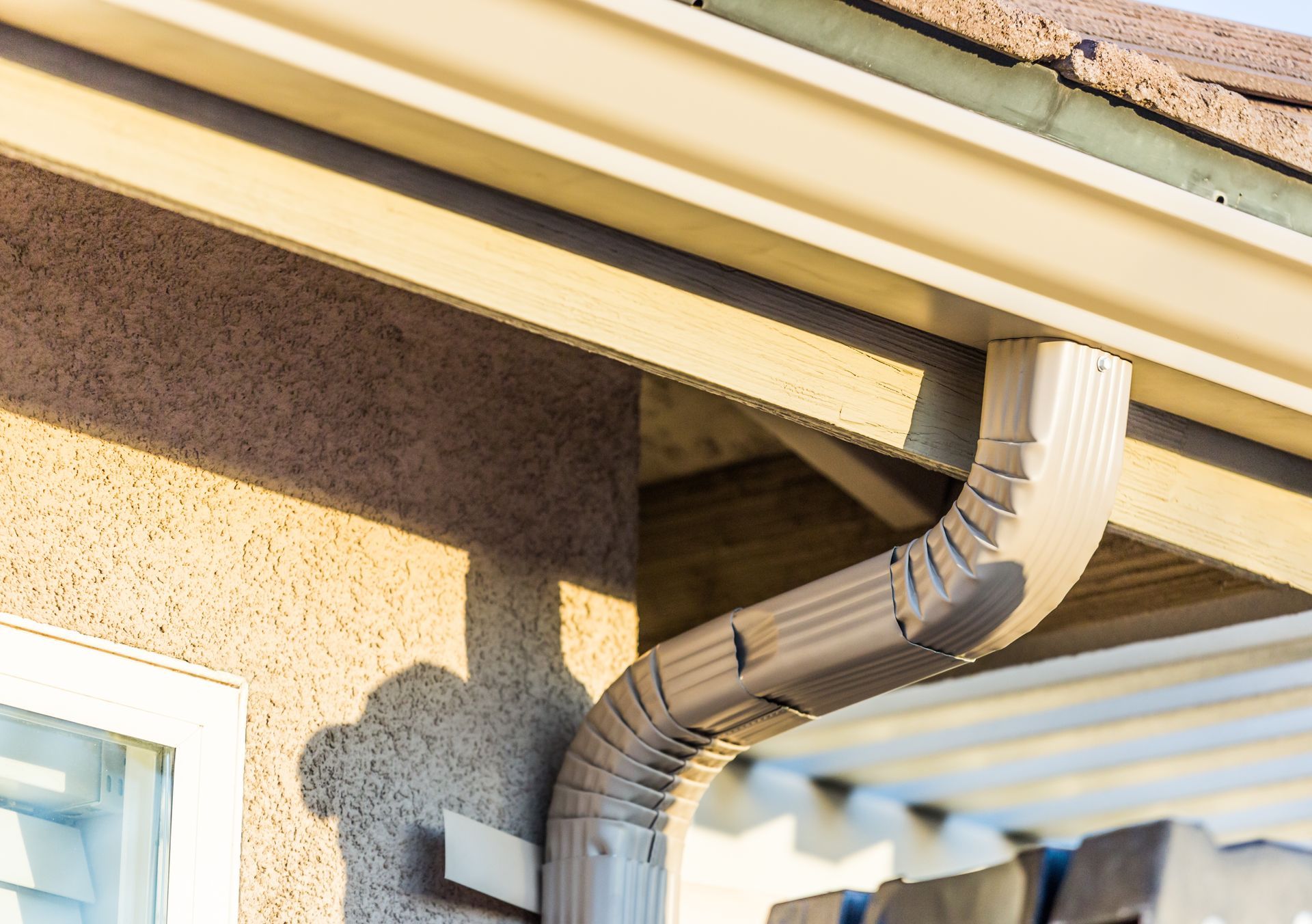
Downspout Sizing and Placement for Fast Snowmelt Drainage
In winter, downspouts matter as much as the gutters. If water can't get out fast, it freezes. Helpful upgrades:
- Add an extra downspout on long runs (instead of forcing one downspout to do all the work).
- Use larger downspouts where heavy flow happens (common near valleys or long roof sections).
- Keep discharge areas clear so water doesn't refreeze right at the bottom.
Hangers, Brackets, and Reinforcement for Heavy Snow Events
This is where "winter-ready" gutters are won or lost. Look for:
- A continuous hanger system or tightly spaced hidden hangers
- A secure fastening system anchored into solid framing (not just fascia board)
- Reinforcement where roof snow tends to slide or dump
How Gutter Guards Behave in Snow and Ice
Gutter guards can help, but some designs can actually make winter problems worse if they slow drainage or cause water to "sheet" over the edge.
Why Some Guards Worsen Icing or Cause "Sheeting" Over the Edge
When a guard's surface is too smooth or the openings are too small, water can stick to it, run over the edge, and freeze into icicles. This is common when guards are clogged or when water is coming fast from a thaw.
The Role of Surface Tension and Water Adhesion in Cold Weather
In cold weather, water doesn't always "drop through" openings the way you expect. It can cling to surfaces and travel where gravity isn't helping much, especially when the guard is wet, dirty, or partly frozen.
Clogging Risks Unique to CT (Pine Needles, Small Debris, Shingle Grit)
CT homes often deal with:
- Pine needles (they sneak through larger openings)
- Small debris (seed pods, twigs, leaf bits)
- Shingle grit (it builds up like sand and slows flow)
That's why winter gutter guard performance is really about filtration + flow, not just "blocking leaves."
Types of Gutter Guards and How They Perform in Snowy Climates
Here's the straight comparison for CT winters.
Micro-Mesh (Stainless Steel): Best All-Around Filtration for Snow + Small Debris
Stainless steel micro-mesh is usually the best all-around option for CT because it filters small debris well (pine needles, grit) while still letting water through. Look for solid frames, strong mounting, and fine mesh that won't deform.
Perforated Aluminum: Durability and Flow, with Larger Debris Tolerance
Perforated aluminum tends to be durable and can handle good water flow, but it may allow more small debris through than micro-mesh. It can be a good "budget durability" choice if your debris is mostly leaves and bigger stuff.
Reverse-Curve/Helmet Style: Pros, Cons, and Winter-Specific Drawbacks
Helmet-style (reverse-curve) guards can shed debris, but in winter they can create "sheeting" and icicle problems if water clings and rolls past the lip, especially during fast melt periods.
Brush and Foam Inserts: Where They Fall Short in Wet Snow and Freeze–Thaw
Brush and foam styles often trap wet debris. In freeze–thaw cycles, that trapped mess can turn into a frozen blockage. They may seem easy at first, but they usually need more maintenance.
Plastic/PVC Guards: Cold-Weather Concerns (Brittleness, Warping)
Plastic and PVC can get brittle in cold weather. Over time, cracking, warping, or loose sections are more likely, especially if snow slides hit them.
Quick Performance Table (CT Winter Focus)
| Guard type | Snow/ice performance | Best for | Main downside |
|---|---|---|---|
| Stainless micro-mesh | Excellent filtration + strong winter results | Pine needles + small debris | Needs quality frame + install |
| Perforated aluminum | Strong durability + good flow | Leaves + general debris | Small debris can still build up |
| Reverse-curve/helmet | Mixed in winter | Low leaf load, correct roof edge | Sheeting/icing risk |
| Brush/foam | Poor–mixed | Short-term fixes | Traps debris, freezes up |
| Plastic/PVC | Mixed–poor | Mild climates | Brittleness/warping risk |
Best Picks for CT Winters by Homeowner Goal
Best for Heavy Snow + Pine Needles: Micro-Mesh Systems
If you have pine trees, small debris, or shingle grit, micro-mesh is usually the safest bet because it filters fine material while still draining.
Best for Budget Durability: Perforated Aluminum Systems
If your main issue is leaves and you want a tough guard at a reasonable price, perforated aluminum is often a good fit, especially with strong hangers and good slope.
Best for Maximum Flow: Guards with Larger Open Area + Strong Mounting
If your roof dumps a lot of water fast (steep pitch, long runs, big valleys), prioritize:
- larger water openings
- sturdy mounting that won't flex under snow load
- bigger downspouts to match
Best When Ice Dams Are Common: Focus on Roof/Attic Fixes First, Then Guard Choice
If you have frequent ice dams, the real fix often starts above the gutters:
- attic insulation and air sealing
- attic ventilation, including
making sure soffit intake is working properly
- ice-and-water protection at eaves
Gutters and guards help drainage, but they can't fix a roof that keeps melting and refreezing at the edge.
Installation Details That Matter More Than the Product
A great guard installed poorly will still fail in winter.
Secure Mounting and Continuous Hangers to Resist Snow Load
Winter-ready installs usually include:
- hangers spaced tight enough to stop sagging
- fasteners anchored into solid framing
- reinforced areas where snow slides hit
Correct Slope and End Caps to Prevent Standing Water and Icing
If a gutter run is too flat, water sits. Sitting water freezes. That's how you get chronic ice buildup.
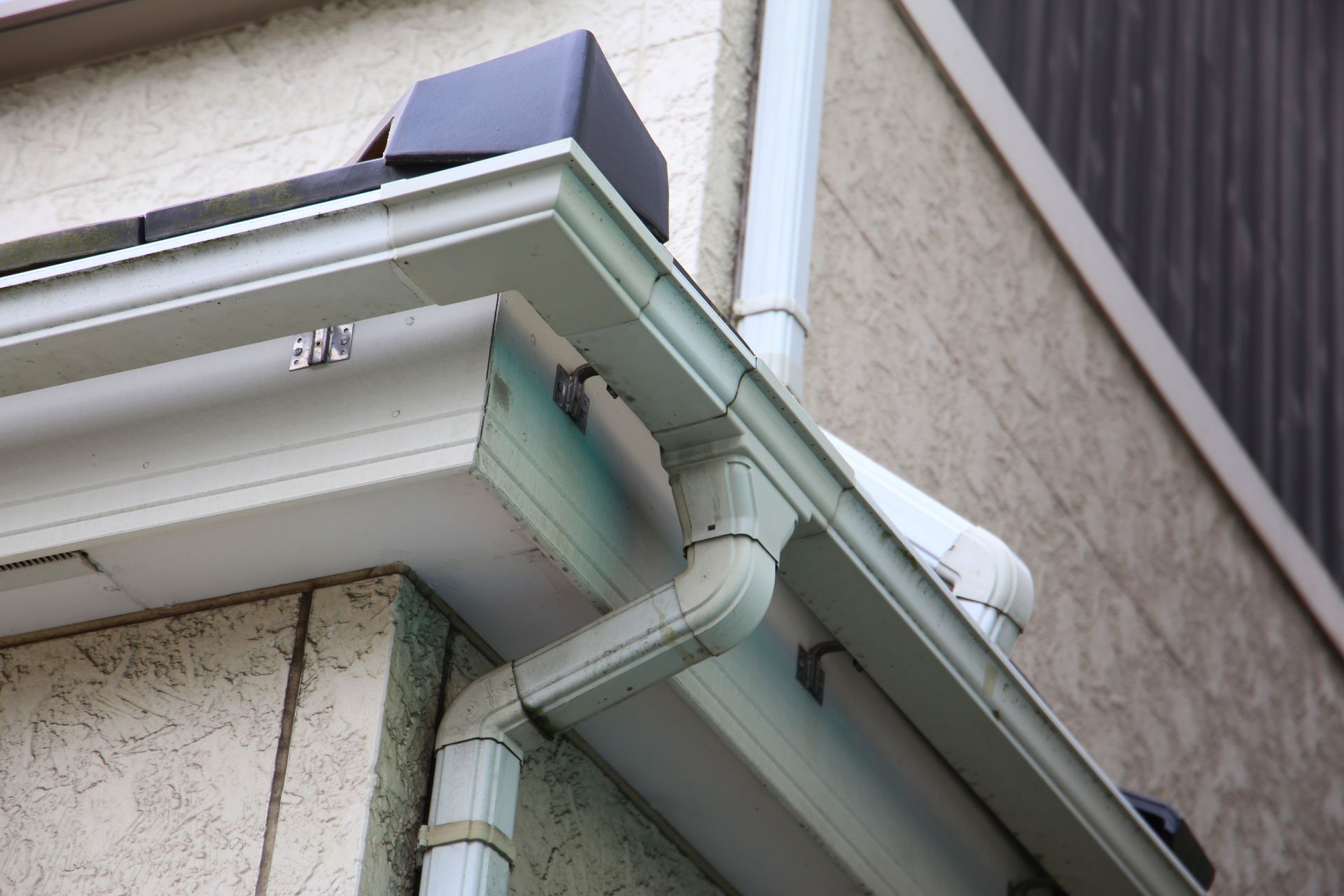
Seams, Corners, and Downspout Outlets: The Usual Leak/Ice Trouble Spots
The places that fail first are usually:
- inside/outside corners
- seam joints
- downspout outlets (where water backs up and freezes)
When gutter leaks go unaddressed long enough, overflow can work its way into the fascia and eventually cause interior water damage. If you're seeing staining or wet spots inside after storms, roof leak repair may be needed alongside the gutter work.
Matching Guard Design to Roof Edge, Drip Edge, and Shingle Type
Some guards work best with certain drip edge shapes and shingle edges. The "best" product on paper might not be best for your roof edge details. If you're unsure what drip edge your home has, our CT drip edge vs rake edge guide covers the key differences and CT code requirements.
Common Winter Problems (and What to Do Instead of Guessing)
Overflow and Icicles: Sizing, Pitch, and Downspout Upgrades
If you get icicles every winter, start with:
- Gutter size (consider 6-inch)
- Downspout capacity (bigger or more)
- Slope correction (so water doesn't sit)
Ice Buildup Behind Guards: Ventilation/Insulation + Guard Choice
Ice building up behind guards often points to:
- slow drainage (clogging or too-small openings)
- warm roof edge melt from attic heat loss
Guards Popping Loose: Fasteners, Fascia Condition, and Reinforcement
If guards or gutters pull away, look at:
- fascia board condition (rotted wood won't hold fasteners)
- hanger style and spacing
- snow-slide impact zones that need reinforcement
What to Look for When Comparing Gutter Guard Quotes in CT
Material Quality (Stainless vs Aluminum vs Plastic)
Ask what the guard is made of and whether it's meant for cold-weather durability.
Attachment Method and Wind/Snow-Load Reliability
"How is it fastened?" matters more than brand names. A strong system should resist snow load and wind.
Cleaning/Maintenance Expectations (Realistic Upkeep)
No system is truly "zero maintenance." A good quote tells you what upkeep is realistic, especially if you have pine needles.
Warranty Terms That Matter in Winter (Coverage Exclusions, Labor vs Parts)
Some warranties sound great until you read exclusions. Ask:
- Is labor covered or just parts?
- Are ice-related issues excluded?
- What voids coverage (like roof edge or pitch conditions)?
Recommended Setup for Most CT Homes
"Standard" CT Winter Package: 6-Inch K-Style + Oversized Downspouts + Micro-Mesh
For many homes, the safest all-around setup is:
- 6-inch K-style gutters
- larger downspouts (or more downspouts where needed)
- stainless micro-mesh guards
- strong hidden hangers / reinforced mounting
When 5-Inch Still Works (and What Upgrades Make It Safer)
5-inch can still perform well when:
- the roof is smaller or simpler
- you have enough downspout capacity
- hangers are strong and well-spaced
- guards don't restrict flow
When to Avoid Guards Entirely Until Bigger Issues Are Fixed
If gutters are already failing (sagging, bad slope, rotted fascia), guards can be a distraction. Fix the foundation first: correct pitch, secure mounting, proper downspout flow. If you're at the point where a full replacement makes more sense than patching, ourCT siding and gutter replacement page covers what that process typically looks like. Then choose the guard.
Closing: Choosing the Best Gutters for Snow in CT
For most homeowners, the best results come from this order:
- Pick gutter size (often 6-inch in snowy areas)
- Pick the right guard type (often micro-mesh for CT debris)
- Prioritize install quality (hangers, slope, corners, outlets)
If you want a safer setup for winter, a winter-ready gutter assessment should focus on sizing, downspout flow, hanger strength, and the spots where ice forms every year, so you're not guessing (or redoing it) after the next big storm. You can learn more about our
gutter servicesor reach out for an on-site assessment.
Frequently Asked Questions
Do gutter guards actually help in Connecticut winters, or do they cause more problems?
It depends on the type. Stainless steel micro-mesh guards are generally the most reliable in CT winters because they filter fine debris without restricting flow. The guards that tend to cause problems are helmet/reverse-curve styles (which can sheet water over the edge and form icicles) and brush or foam inserts (which trap wet debris and freeze up). A guard that's the wrong fit for your roof edge or debris type can make things worse, so the product choice and install quality matter as much as having a guard at all.
What's the real difference between 5-inch and 6-inch gutters in a snowy winter?
The difference is flow capacity and margin for error. 6-inch gutters move significantly more water, which matters most during sudden thaws when snowmelt hits all at once. 5-inch gutters can still work fine on smaller or simpler roofs, especially with adequate downspouts and strong hangers, but they have less buffer if debris is present or downspout flow is slow. For most CT homes with any significant roof area, 6-inch is worth the modest cost difference.
We get icicles every winter, is that a gutter problem or a roof problem?
Usually both, but the root cause is often the roof. Icicles typically form when warm air escaping through the attic melts snow on the roof, the meltwater runs down to the cold eave, and then refreezes. Gutters that are undersized, clogged, or poorly sloped make it worse by trapping water at the edge. If you're getting icicles every year despite clean gutters, the attic, its insulation, air sealing, and ventilation, is usually where the fix needs to start.
How often do gutters need to be cleaned if I have gutter guards?
Even with quality micro-mesh guards, most CT homes benefit from at least one cleaning per year, ideally in late fall after leaves are down and before the first hard freeze. Homes with pine trees nearby may need an additional spring cleaning to clear accumulated needles and shingle grit. No guard eliminates maintenance entirely; the better ones just reduce its frequency and make it easier when you do it.
When does it make sense to replace gutters vs repair them before winter?
Repair makes sense for isolated issues: a loose hanger, a single leaking seam, or a clogged downspout. Replacement is the smarter call when gutters are visibly sagging along a long run, when the fascia behind them is rotted and can't hold fasteners, when seams are failing in multiple spots, or when the sizing is just too small for your roof. If you're patching the same sections every year, the cost of replacement usually pays off faster than it seems.