Metal Roof Installation in Connecticut: A Complete Homeowner's Guide

After installing metal roofs across Connecticut for years, we've seen exactly how they perform through nor'easters, ice dams, summer humidity, and everything in between. Metal roofing isn't just a trend here, it's one of the most reliable long-term investments a homeowner can make in this climate. This guide walks you through your options, what installation actually looks like, what it costs, and how to know if a metal roof is the right fit for your home.
Why Metal Roofing Is a Smart Choice in Connecticut
Metal roofing handles New England weather better than almost any other material on the market. It sheds snow, resists wind, and lasts decades longer than asphalt shingles in the same conditions.
How Connecticut Weather Impacts Roofing Materials
Connecticut puts roofs through a lot. Winter brings heavy snow loads and ice dams that force water under shingles. Summer brings UV exposure, humidity, and powerful thunderstorms. Coastal areas add salt air to the mix. Asphalt shingles wear down fast under that kind of cycle. Metal stands up to it without breaking down the same way.
Durability and Longevity of Metal Roofs
A properly installed metal roof can last 50 years or more. That's two to three times the life of a standard asphalt shingle roof in Connecticut. Metal won't crack, curl, or lose granules over time, and it holds up against high winds and impact better than most alternatives.
Energy Efficiency and Year-Round Performance
Metal reflects solar heat instead of absorbing it, which keeps attics cooler in summer and lowers cooling costs. In winter, snow slides off smooth metal surfaces faster, reducing the chance of ice dams and the leaks they cause.
Types of Metal Roofing Systems Available
Not every metal roof looks the same. The system you choose affects appearance, cost, and how long the roof will last.
Standing Seam Metal Roofing
Standing seam is the most popular metal roofing system for Connecticut homes, and for good reason.
Clean appearance and concealed fasteners
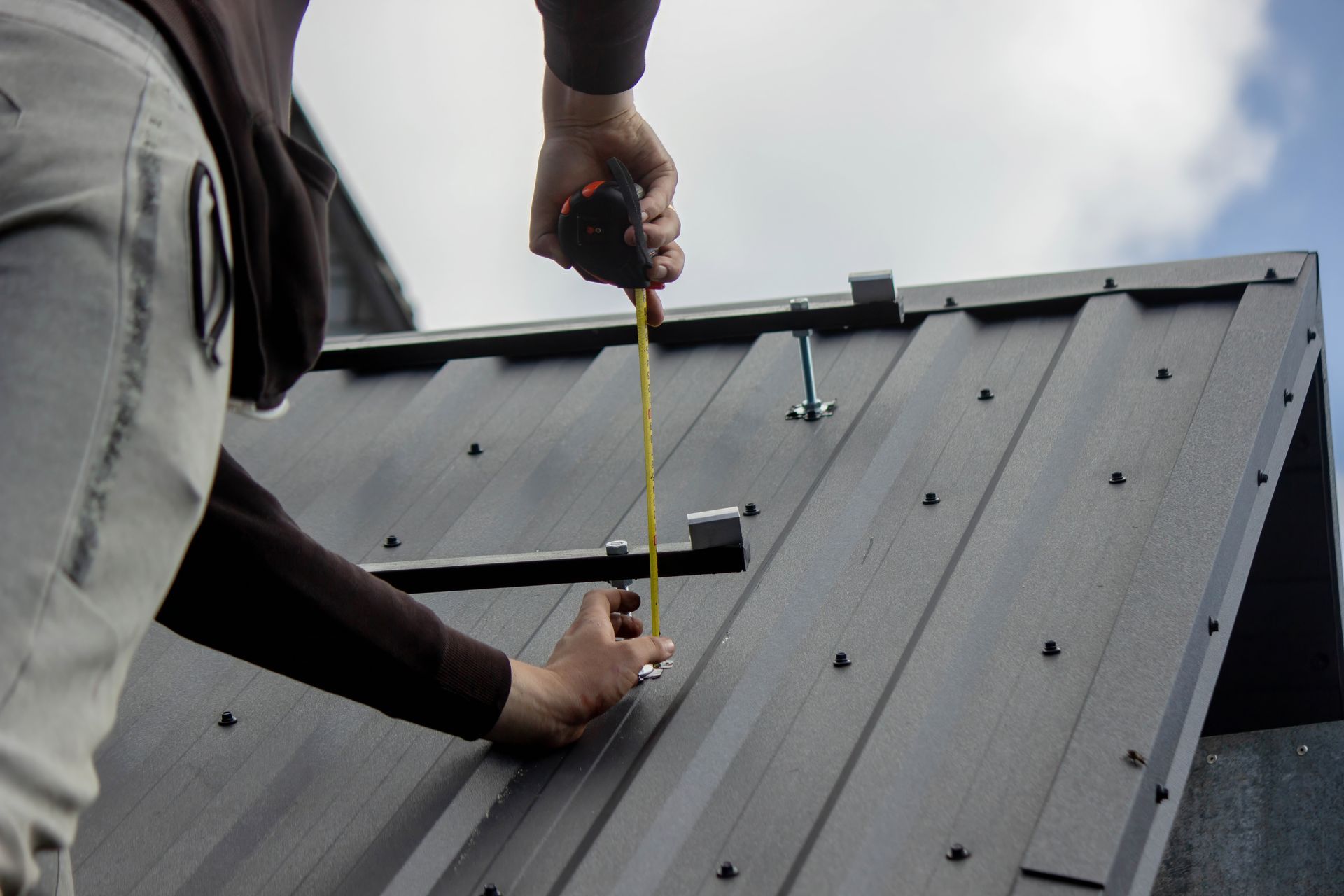
Standing seam panels lock together at raised vertical seams, with the fasteners hidden underneath. The result is a clean, modern look with no exposed screws to wear out or leak over time.
Ideal applications for residential homes
Standing seam works on almost any roof slope and pairs well with both modern and traditional Connecticut home styles. It's the system most homeowners pick when they want the longest service life with the lowest maintenance.
Corrugated and Exposed Fastener Panels
Corrugated metal panels are a more affordable option, often used on barns, garages, additions, and outbuildings.
Cost-effective and durable options
These panels install faster and cost less per square foot than standing seam. The fasteners sit on top of the panel, which means they need occasional resealing, but the material itself still outlasts asphalt by a wide margin.
Metal Shingles and Specialty Styles
Metal shingles give homeowners the durability of metal with a more traditional look.
Designs that mimic traditional roofing materials
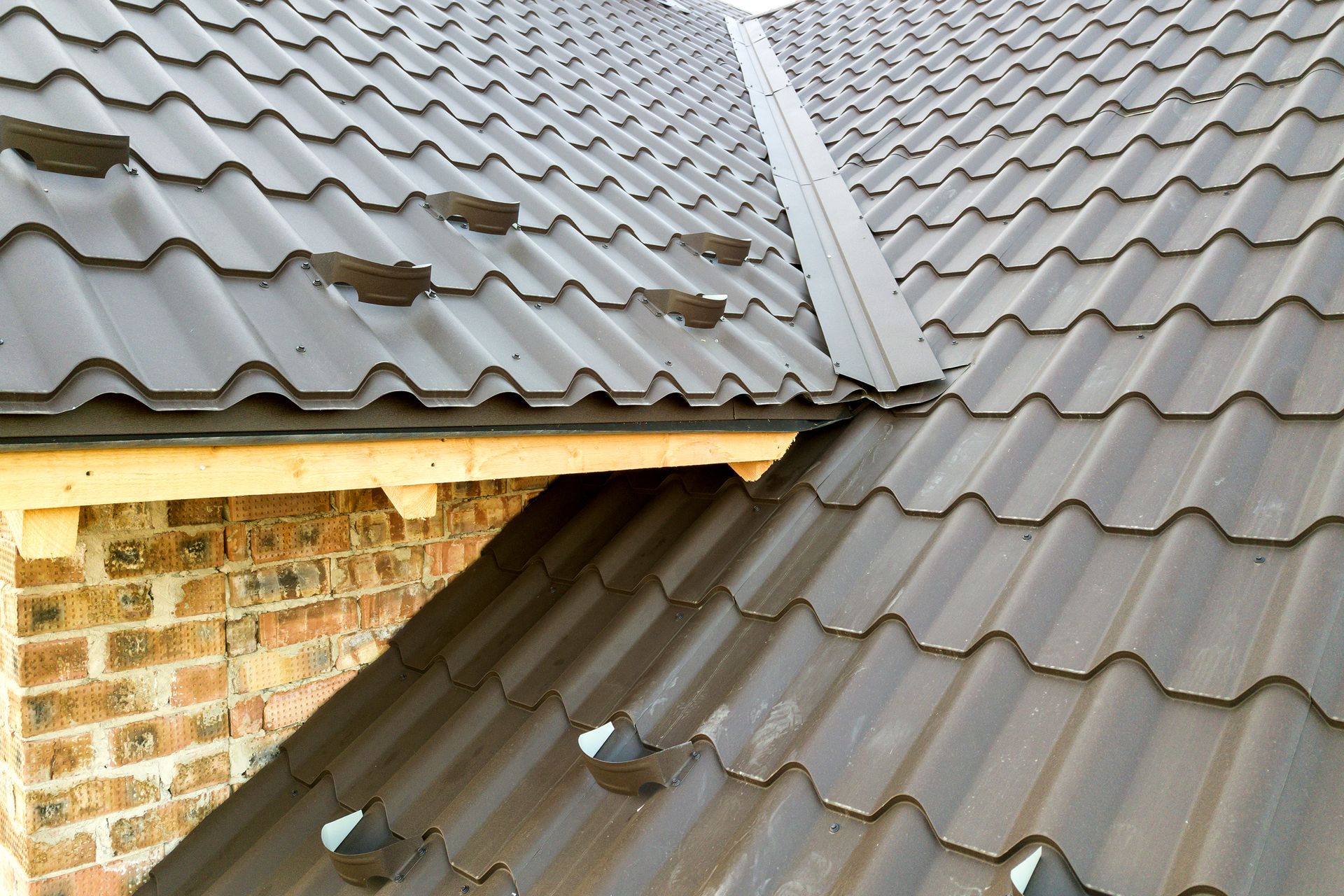
Metal shingles are made to mimic asphalt, slate, wood shake, or clay tile. They're a strong choice for historic homes or neighborhoods where standing seam might look out of place.
Metal Roofing Materials Explained
The metal you choose matters as much as the system. Each material has its own strengths.
Steel Roofing Benefits and Uses
Steel is the most common metal roofing material in Connecticut. It's strong, affordable, and comes with protective coatings that resist rust and fading. Galvanized and Galvalume steel are both excellent choices for residential homes.
Aluminum Roofing for Coastal and Moisture Resistance
Aluminum is naturally rust-proof, which makes it the better pick for homes near the Long Island Sound or in areas with heavy moisture. It's lighter than steel and holds up well to salt air without corroding.
Copper Roofing for Premium Longevity and Aesthetics
Copper is the premium option. It can last over 100 years, develops a beautiful natural patina, and is often used on accent areas, historic homes, and high-end builds. The cost is higher, but so is the lifespan.
The Metal Roof Installation Process
A metal roof is only as good as its installation. Here's what a professional job looks like from start to finish.
Initial Roof Inspection and Planning
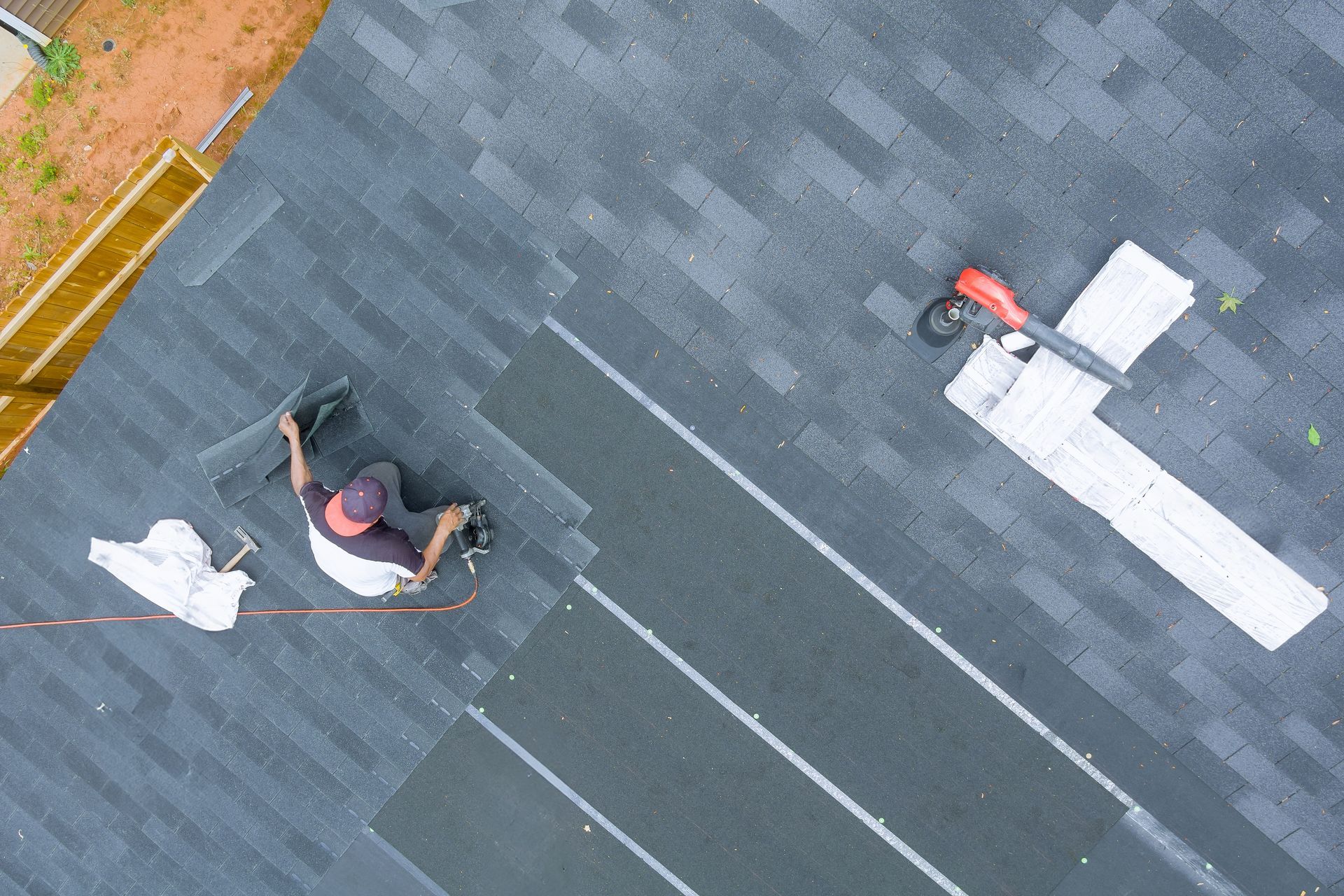
Every project starts with a thorough roof inspection to check the decking, structure, and ventilation. We measure the roof, plan panel layout, and identify any repairs needed before installation begins.
Removing Existing Roofing Materials
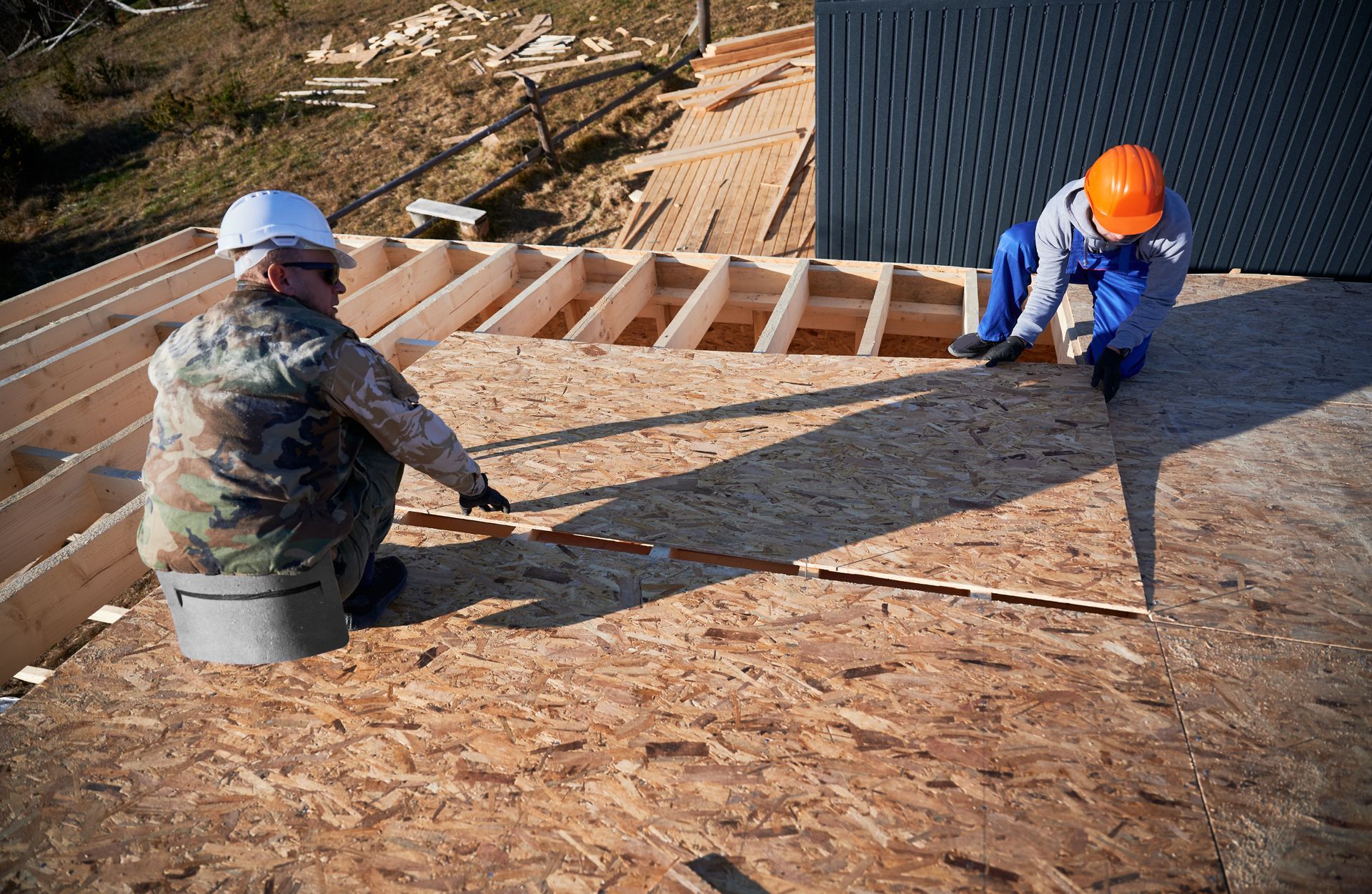
In most cases, the old roofing comes off down to the decking. This lets us inspect the wood for rot or damage and replace anything that won't support the new roof properly.
Installing Underlayment and Waterproof Barriers
A high-quality underlayment goes down first, followed by ice and water shield in the eaves, valleys, and around penetrations. This is the layer that protects your home if water ever gets past the metal.
Panel Installation and Seaming Techniques
Panels are cut to length and installed from the eaves up.
Fastening systems and weatherproofing
For standing seam, the panels are clipped to the deck and the seams are mechanically locked or hand-crimped. Flashing around chimneys, skylights, and roof penetrations is custom-fit and sealed to prevent leaks.
Final Inspection and Cleanup
Once installation is complete, the roof is inspected for proper seaming, fastening, and flashing. The site is cleaned, magnetic sweeps pick up stray fasteners, and you walk the property with the crew before signoff.
Benefits of Professional Metal Roof Installation
Metal roofing rewards careful installation. Skipping steps or hiring an inexperienced crew can cause problems that don't show up for years.
Proper Installation Techniques for Long-Term Performance
Metal expands and contracts with temperature changes. A skilled installer accounts for that movement, uses the right fasteners, and seals every penetration correctly. Done right, the roof performs for decades without issues.
Warranty Protection and Manufacturer Compliance
Most metal roofing manufacturers require certified installation for the warranty to apply. A professional installer follows those specifications exactly, which protects your investment if something ever goes wrong.
Safety and Efficiency During Installation
Metal panels are heavy, sharp, and slippery. Professional crews have the equipment, training, and insurance to install them safely on any roof slope.
Cost Factors for Metal Roof Installation in Connecticut
Metal roofing costs more upfront than asphalt, but the long-term math usually works in its favor.
Material Selection and Pricing Differences
Cost varies based on the system and material:
- Corrugated steel: the most budget-friendly option
- Standing seam steel: mid-range, the most popular for residential
- Aluminum: slightly higher than steel, ideal for coastal homes
- Copper or zinc: premium pricing, often used as accents or on high-end builds
Roof Size, Complexity, and Labor Costs
Larger roofs cost more in materials, but the per-square-foot price often drops. Steeper slopes, multiple valleys, dormers, skylights, and chimneys all add labor time. A simple ranch costs far less per square foot than a complex Victorian.
Long-Term Value vs Upfront Investment
A metal roof typically costs two to three times more than asphalt at install. But it also lasts two to three times longer, often comes with energy savings, and can boost home value at resale. Most Connecticut homeowners who choose metal don't replace their roof again.
Maintaining Your Metal Roof for Maximum Lifespan
Metal roofs are low maintenance, but they're not zero maintenance. A little attention each year keeps them performing at their best.
Routine Inspections and Preventative Maintenance
Plan a visual check twice a year, in spring and fall. Look for:
- Loose or missing fasteners on exposed-fastener systems
- Sealant cracks around flashing, vents, or skylights
- Signs of
flashing wear or separation
- Scratches in the protective finish
- Debris caught in valleys or behind chimneys
Cleaning and Debris Removal
Keep leaves, branches, and pine needles cleared from valleys and gutters. Trapped debris holds moisture, and over time that can wear down even a metal surface.
Addressing Minor Repairs Early
Small issues like a loose fastener or a cracked sealant bead are quick, inexpensive fixes when caught early. Left alone, they can lead to leaks that damage decking and insulation underneath.
Choosing the Right Metal Roofing Contractor in Connecticut
The contractor you hire matters more than almost any other choice in the project.
What to Look for in a Qualified Installer
A good metal roofing contractor should have:
- Years of hands-on metal roofing experience, not just asphalt
- Manufacturer certifications for the systems they install
- Proof of insurance and Connecticut licensing
- A portfolio of completed local projects
- Clear, written warranties on both labor and materials
Questions to Ask Before Hiring
Before you sign anything, ask:
- How many metal roofs have you installed in Connecticut?
- What system and material do you recommend for my home, and why?
- Who handles the warranty if there's a problem in 10 or 20 years?
- Will you remove the old roof completely or install over it?
- What's your process for flashing and waterproofing details?
Importance of Local Experience and Knowledge
Connecticut roofs deal with snow, ice, salt air, and dramatic temperature swings. A contractor who works in this climate every day understands how to detail a roof for these conditions, something out-of-state crews often miss.
Is a Metal Roof Right for Your Home?
Metal isn't the right fit for every home or every budget, but for most Connecticut homeowners it's worth a serious look.
Comparing Metal Roofing to Asphalt Shingles
| Factor | Metal Roofing | Asphalt Shingles |
|---|---|---|
| Lifespan | 50+ years | 20–25 years |
| Upfront cost | Higher | Lower |
| Energy efficiency | Reflects heat | Absorbs heat |
| Snow and ice performance | Sheds easily | Can hold snow and form ice dams |
| Maintenance | Low | Moderate |
| Resale value impact | Strong | Modest |
Best Home Types for Metal Roof Installation
Metal works on nearly any home, but it's an especially strong fit for:
- Homes in heavy snow zones across northern and western Connecticut
- Coastal homes where salt air corrodes other materials
- Homeowners planning to stay in their home long-term
- Properties with steep roofs where snow buildup is a concern
- Modern, farmhouse, and traditional New England styles
Long-Term Performance and Return on Investment
A metal roof is a one-time investment for most homeowners. When you factor in its lifespan, energy savings, lower maintenance, and resale impact, it often comes out ahead of asphalt over the life of the home.
Frequently Asked Questions
How long does a metal roof installation take in Connecticut?
Most residential metal roof installations take five to seven days, weather permitting. Larger or more complex roofs with multiple valleys, dormers, or chimneys can take up to two weeks. Standing seam takes longer than corrugated because of the precision involved.
Will a metal roof make my home louder during rain or hail?
No, not when it's installed properly. A metal roof goes over solid decking and underlayment, with attic insulation underneath. Most homeowners say it sounds about the same as an asphalt roof from inside the house.
Can I install a metal roof over my existing asphalt shingles?
Sometimes, but it's usually not recommended. Going over old shingles hides any decking damage underneath and can void manufacturer warranties. A full tear-off lets the installer inspect the structure and start with a clean, flat surface.
Does a metal roof affect my home insurance in Connecticut?
In many cases, yes, in your favor. Metal roofing is rated as Class A fire resistant and stands up to wind and impact better than asphalt, so some insurers offer reduced premiums. Check with your provider for specifics.
What's the difference between standing seam and corrugated metal roofing?
Standing seam has hidden fasteners and locks at raised vertical seams, giving a cleaner look and longer service life. Corrugated panels use exposed fasteners, cost less, and install faster, but the screws need occasional resealing over time. Standing seam is the better choice for most main residential roofs.