Roof Inspection Checklist for Connecticut Homeowners

After years of inspecting roofs across Connecticut, I've seen firsthand what New England weather can do to a home. Heavy snow, ice dams, summer storms, and humid coastal air all leave their mark on a roof over time. The good news is that most major roof problems start small, and a simple inspection routine can catch them before they turn into expensive repairs. This checklist walks you through exactly what to look for, when to look, and when it's smarter to call a pro.
Why Regular Roof Inspections Matter in Connecticut
Your roof is the first line of defense against everything our weather throws at your home. Inspecting it regularly helps you spot small issues early, keep your home dry, and extend the life of your roof by years.
How New England Weather Impacts Your Roof
Connecticut roofs deal with a lot. Winter brings heavy snow, freezing temperatures, and ice dams that push water under shingles. Summer brings strong UV rays, humidity, and sudden thunderstorms. Fall drops leaves and debris into gutters, while spring rains test every weak spot the winter created. All of this wears down shingles, flashing, and seals faster than in milder climates.
The Cost of Skipping Routine Inspections
Skipping inspections almost always costs more in the long run. A small leak can rot decking, ruin insulation, stain ceilings, and lead to mold inside your attic. What might be a $200 repair caught early can turn into a $5,000 problem if it's ignored for a season or two.
When to Schedule a Roof Inspection Throughout the Year
A good rule of thumb is twice a year, once in the spring and once in the fall. You should also inspect your roof after any major storm, heavy snowfall, or high-wind event. If your roof is older than 15 years, an annual professional inspection is a smart investment.

What to Look for During a Roof Inspection
A full inspection covers the outside of your roof, the structural parts, and the inside of your attic. Each area tells you something different about how your roof is holding up.
Exterior Roof Inspection Essentials
Start by looking at the roof from the ground with a pair of binoculars. You're looking for anything that seems out of place compared to the rest of the surface.
Shingles, flashing, and visible wear
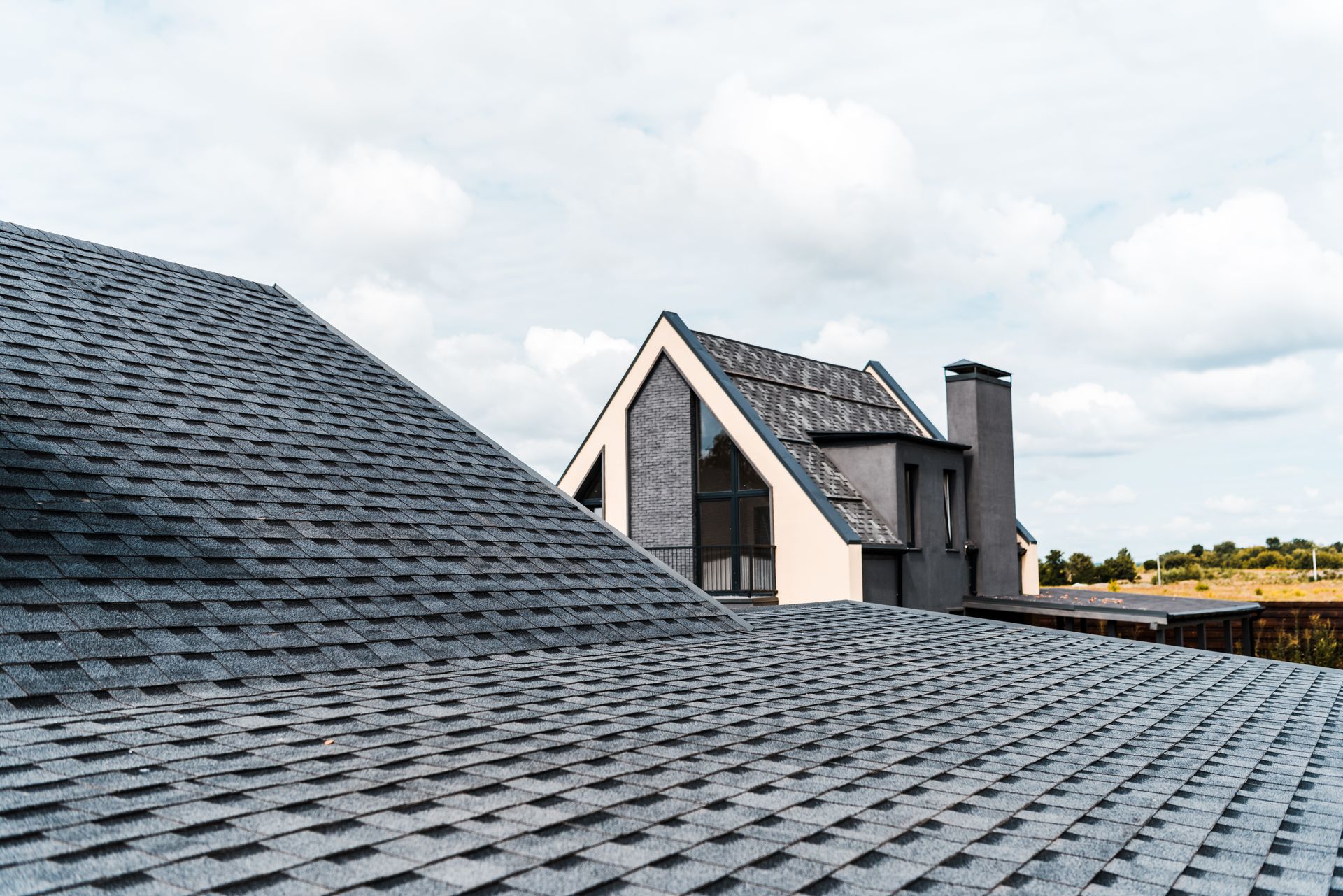
Check for missing, cracked, curling, or buckling shingles. Look at the metal flashing around chimneys, vents, and where the roof meets walls. Flashing should be flat, sealed, and rust-free. Bald spots where shingle granules have worn away are also a sign your roof is aging.
Signs of storm or wind damage
After a storm, look for lifted shingles, dents from hail, or shingles scattered in the yard. Even a few missing shingles can let water reach the wood underneath.
Moss, algae, and debris buildup
Moss and algae are common on shaded Connecticut roofs. They hold moisture against the shingles and can shorten roof life. Branches, leaves, and pine needles trapped in valleys or behind chimneys should be cleared out.
Structural Components to Check
The structural parts of your roof handle water and keep it moving away from your home. When these fail, leaks usually follow.
Roof valleys and drainage paths
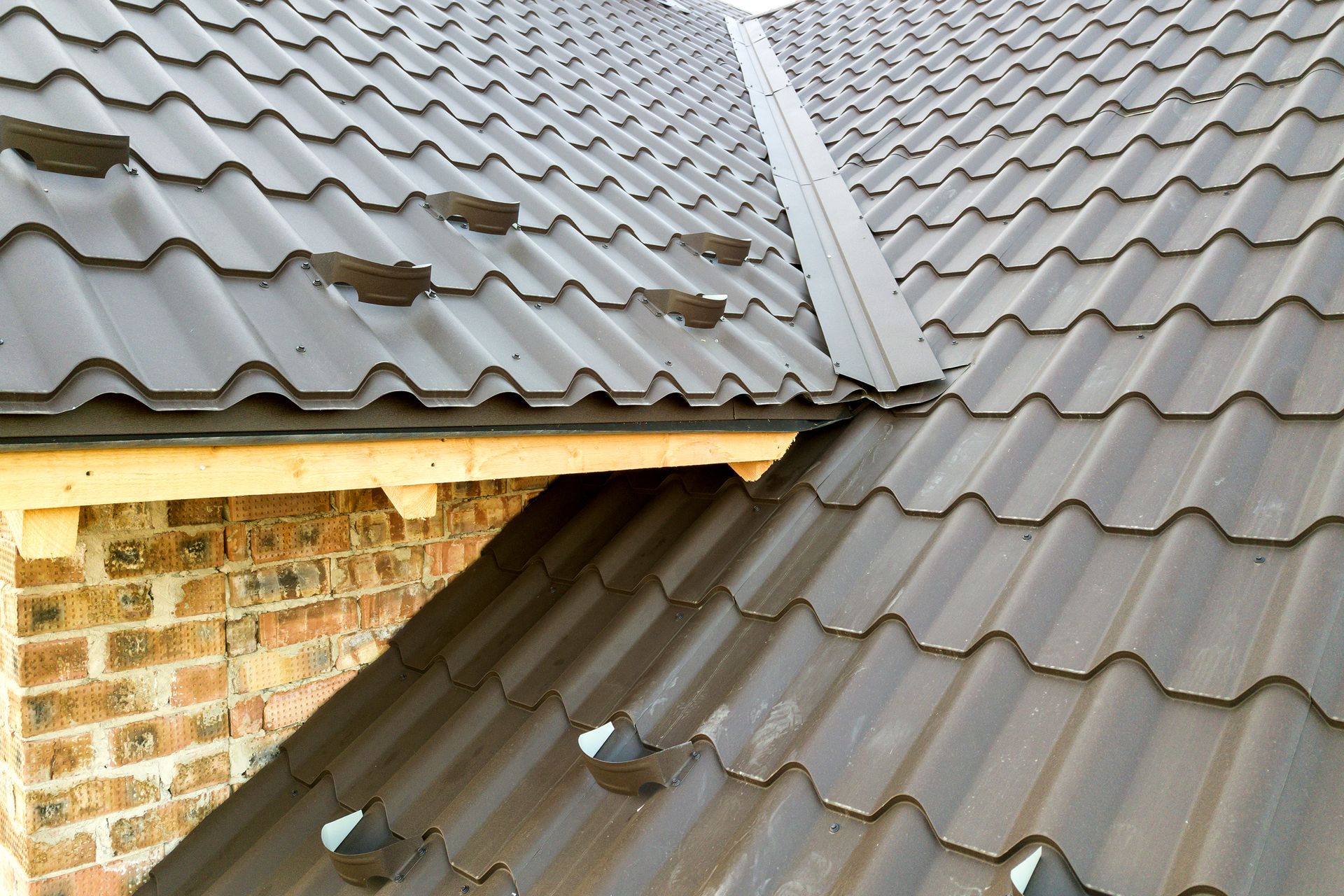
Valleys are where two roof slopes meet. They handle a lot of water, so check them for damaged shingles, exposed underlayment, or cracked sealant.
Chimneys, skylights, and vents
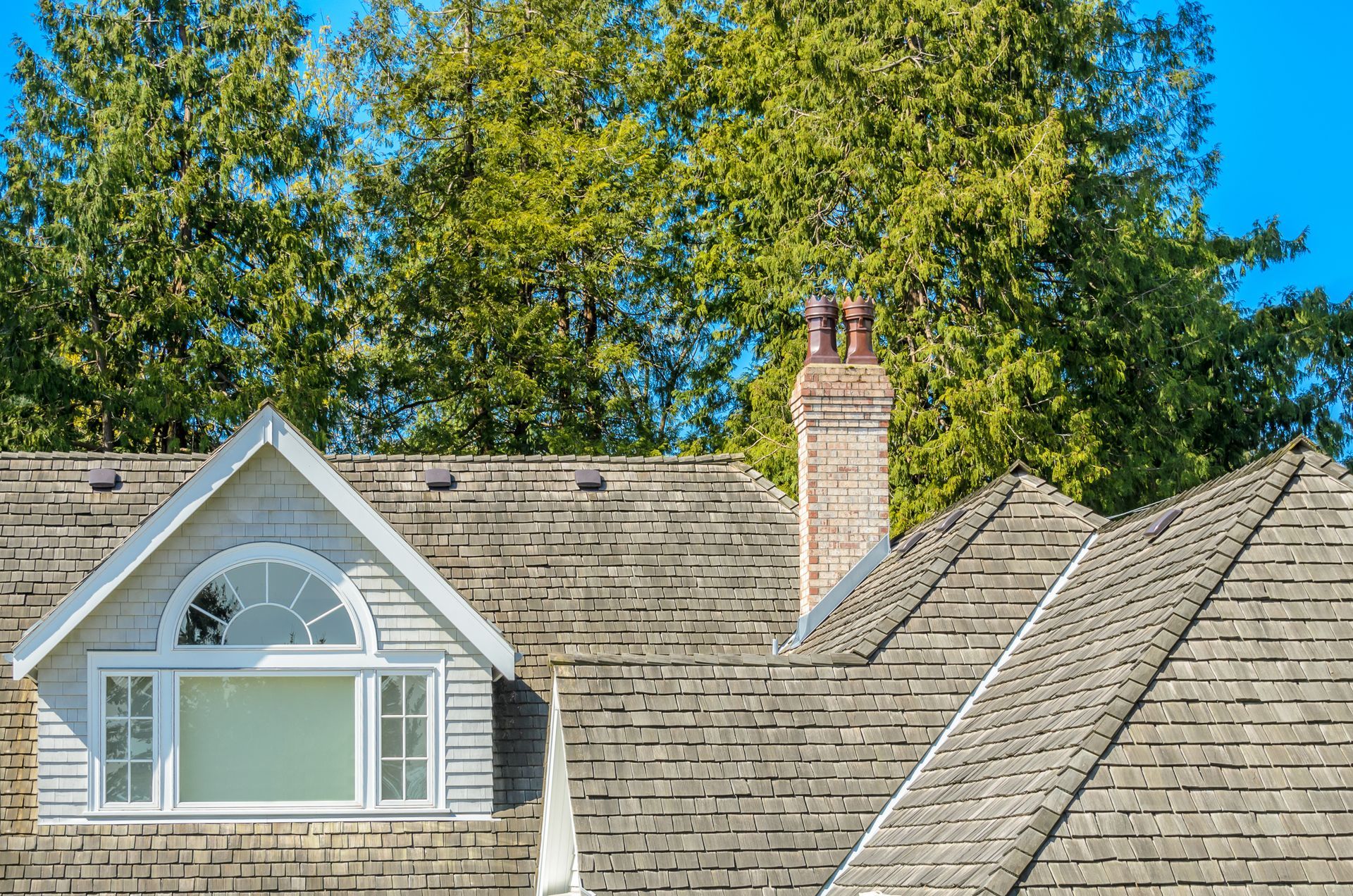
These are the most common leak points on any roof. Look for cracked caulk or loose flashing around the chimney, and check skylights for gaps or worn seals where they meet the shingles.
Gutters and downspouts
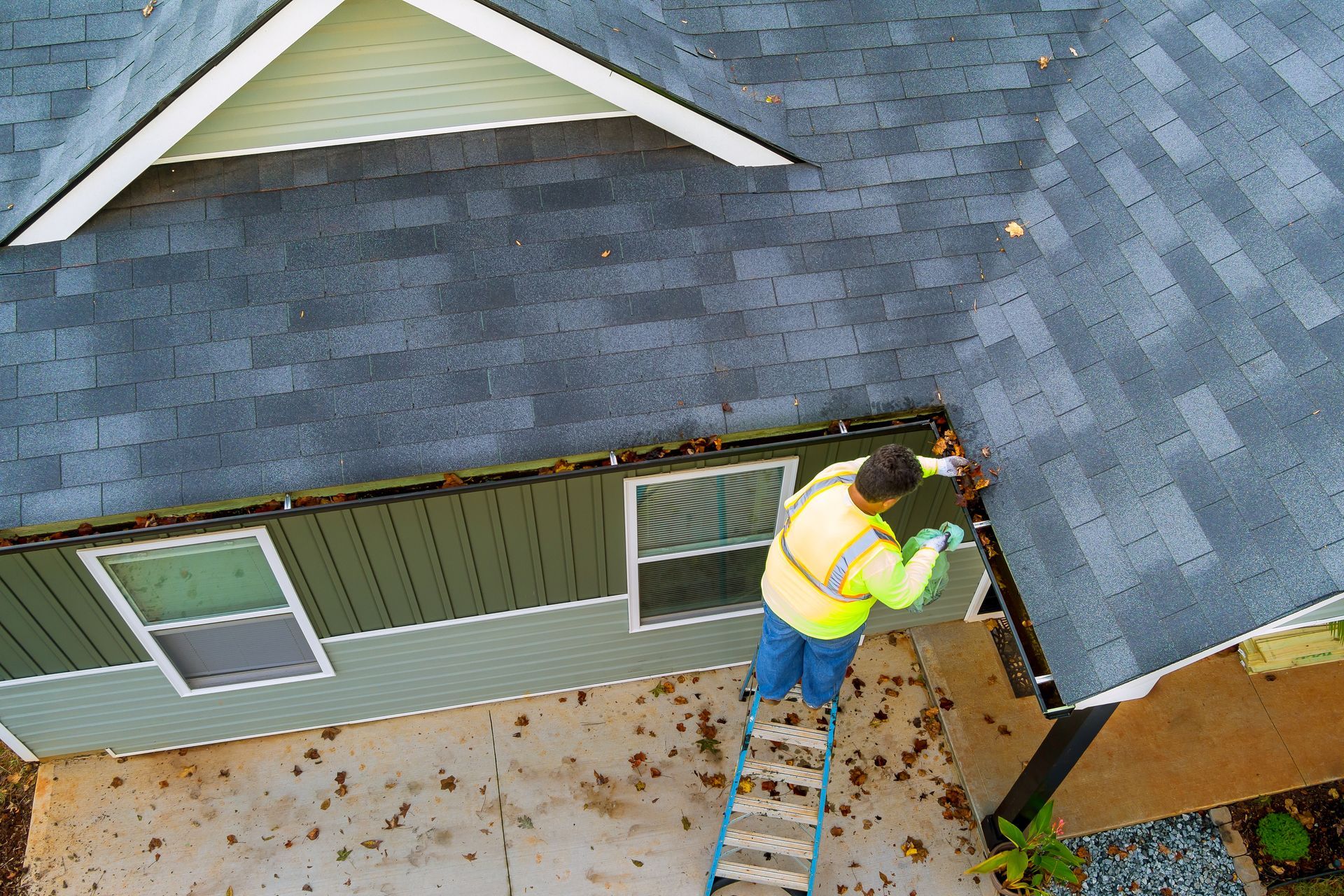
Gutters should be firmly attached, free of debris, and draining away from the foundation. Sagging gutters or shingle granules collecting in them can be early warning signs.
Interior Warning Signs
Some of the clearest signs of roof trouble show up inside your home, especially in the attic.
Attic moisture and insulation issues
Damp insulation, musty smells, or visible water in the attic point to an active leak. Insulation that's matted down or discolored is often a clue.
Water stains and ceiling damage
Yellow or brown stains on ceilings and upper walls usually mean water is getting in somewhere above. Bubbling paint and soft spots are signs the issue has been there a while.
Ventilation and airflow concerns
Your attic needs steady airflow to keep moisture and heat from building up. Blocked soffit vents, a missing ridge vent, or ice forming on the underside of the roof in winter all point to ventilation problems.
Seasonal Roof Inspection Checklist for Connecticut Homes
Each season brings different threats to your roof. Matching your inspection to the time of year helps you catch the most likely problems before they grow.
Spring Roof Inspection Priorities
Spring is the best time to see what winter left behind.
Winter damage assessment
Look for cracked shingles, loose flashing, and any sagging spots in the roofline. Check for shingle granules washed into the gutters, which is a sign of weather wear.
Gutter cleaning and drainage check
Clear out leaves, twigs, and grit from melted snow. Make sure water flows freely through downspouts and away from your foundation.
Summer Roof Maintenance Focus
Summer is a good time to handle small repairs while the weather is dry and stable.
Heat-related wear and UV exposure
Strong sun bakes shingles and dries out sealants. Look for shingles that feel brittle, have curled edges, or show fading.
Preparing for storm season
Trim back tree branches that hang over the roof, secure loose flashing, and make sure your gutters are ready for heavy rain.
Fall Roof Preparation Checklist
Fall is all about getting your roof ready for the harshest season.
Leaf removal and gutter clearing
Keep gutters clean as leaves drop. Clogged gutters in November lead to ice dams in January.
Pre-winter structural checks
Inspect flashing, seals, and shingles closely. Any weak spot left untreated will be tested by snow and ice.
Winter Roof Monitoring Tips
You don't usually inspect a Connecticut roof up close in winter, but you can still watch for trouble from the ground.
Ice dam prevention
Look for thick ice along eaves or icicles hanging from gutters. These are signs heat is escaping the attic and melting snow unevenly.
Snow load awareness
After heavy snowfall, check that your roof isn't holding more weight than it should. Gutters built to handle Connecticut snow make a real difference here, and a roof rake can clear lower edges from the ground if snow piles up.
Common Roof Problems Found During Inspections
Most inspections turn up the same handful of issues. Knowing what they look like helps you act faster.
Damaged or Missing Shingles
Wind, age, and impact can lift, crack, or tear shingles. Even one missing shingle exposes the underlayment and can lead to leaks.
Roof Leaks and Moisture Intrusion
Leaks often start small and show up far from where the water is actually getting in. Stains, drips, and damp insulation all need attention right away.
Flashing Failures and Sealant Issues
Flashing protects the joints in your roof. When sealant cracks or flashing pulls away, water has an open path inside.
Poor Ventilation and Energy Loss
A poorly ventilated attic traps heat and moisture, which shortens shingle life and raises energy bills. It also makes ice dams much more likely in winter.
DIY Roof Inspection vs Professional Inspection
You can handle a lot of a roof inspection yourself, but some parts are better left to a pro.
What Homeowners Can Safely Check
From the ground or a sturdy ladder, there's plenty you can handle on your own:
- Gutters for sagging, debris, or shingle granules
- The roof surface for missing, curled, or cracked shingles
- The yard for shingle pieces after a storm
- The attic for water stains, damp insulation, or daylight coming through the boards
- Ceilings and upper walls inside the house for stains or bubbling paint
When to Call a Roofing Professional
Some situations are too risky or too technical for a homeowner check. Call a pro if you notice:
- An active leak or fresh water stain spreading on a ceiling
- Sagging spots in the roofline or soft areas in the decking
- Widespread shingle damage after a storm
- Anything on a steep, slick, or two-story-plus roof that you can't see safely from the ground
- Flashing, valley, or skylight issues that need sealing or replacement
Benefits of a Professional Roof Inspection
A professional roofing contractor will spot issues most homeowners miss, like soft decking, hidden flashing failures, or early ventilation problems. They can also document the roof's condition, which is useful for insurance claims and home sales.
Preventative Roof Maintenance Tips for Longer Lifespan
A little maintenance goes a long way toward stretching the life of your roof.
Routine Cleaning and Debris Removal
Keep your roof clear of branches, leaves, and moss. Debris traps moisture and speeds up wear.
Addressing Minor Repairs Early
Replace missing shingles, reseal flashing, and patch small problems as soon as you notice them. Small repairs are cheap. Delayed repairs rarely are.
Keeping Gutters and Drainage Systems Clear
Clean gutters at least twice a year, more if you have a lot of trees nearby. Make sure downspouts carry water several feet away from your foundation.
Creating a Simple Roof Inspection Routine
You don't need a complicated system. A short, repeatable routine is enough to keep most Connecticut roofs in good shape.
How Often to Inspect Your Roof
Plan for two full inspections a year, plus quick checks after major storms. Older roofs benefit from a yearly professional look.
| Inspection Timing | Who Should Do It | What to Focus On |
|---|---|---|
| Spring | Homeowner | Winter damage, gutters, granule loss |
| Fall | Homeowner | Flashing, seals, leaf buildup |
| After major storms | Homeowner | Missing shingles, dents, debris |
| Every 1–2 years | Roofing pro | Full condition assessment |
| Roof age 15+ years | Roofing pro | Annual detailed inspection |
Building a Seasonal Maintenance Schedule
Tie your roof checks to other seasonal tasks. Inspect in spring when you're cleaning the yard, and again in fall when you're putting away outdoor furniture.
Tracking Roof Condition Over Time
Keep a simple folder with photos and notes from each inspection. Over time, this helps you spot patterns, track repairs, and plan ahead for replacement.
Protecting Your Home with Proactive Roof Care
Taking care of your roof now saves you money, stress, and surprises later.
Long-Term Benefits of Regular Inspections
Roofs that are inspected and maintained regularly often last years longer than roofs that are ignored. You also avoid most emergency repairs.
Improving Home Value and Safety
A well-kept roof protects everything inside your home and adds real value when it's time to sell. Buyers and inspectors notice the difference right away.
Staying Ahead of Costly Repairs
The biggest benefit of a routine inspection is the problems you never have. Catching issues early keeps your home dry, your energy bills steady, and your roof working the way it should for as long as possible.
Frequently Asked Questions
How much does a professional roof inspection cost in Connecticut?
Most professional roof inspections in Connecticut run between $150 and $400, depending on roof size, slope, and how detailed the report is. Many roofing companies offer free inspections if you suspect storm or leak damage, so it's worth asking before you pay.
Will my homeowners insurance cover damage found during a roof inspection?
Insurance usually covers sudden damage from storms, wind, or fallen trees, but not wear and tear or neglect. A documented inspection report from a professional makes a big difference if you need to file a claim for hail or storm damage, because it shows the condition of the roof before and after the event.
Should I inspect my roof after every storm?
Not every storm needs a full inspection, but a quick check is smart after any of these:
- Wind gusts over 50 mph
- Hail of any size
- Heavy snow or ice buildup
- Falling branches or trees near the house
Walk around your house, look for shingles in the yard, scan the gutters for granules, and check ceilings inside. If anything looks off, call for a closer look before the next storm hits.
Can I inspect my roof from inside the attic?
Yes, and the attic is one of the most useful places to look. Go up on a sunny day with a flashlight. Daylight coming through the boards, dark stains on the wood, damp insulation, or a strong musty smell all point to active or past leaks that aren't always visible from outside.
How long does a roof inspection take?
A homeowner's visual check from the ground takes about 15 to 20 minutes. A full professional inspection, including the attic, exterior, and a written report, usually takes 45 minutes to an hour for an average home.